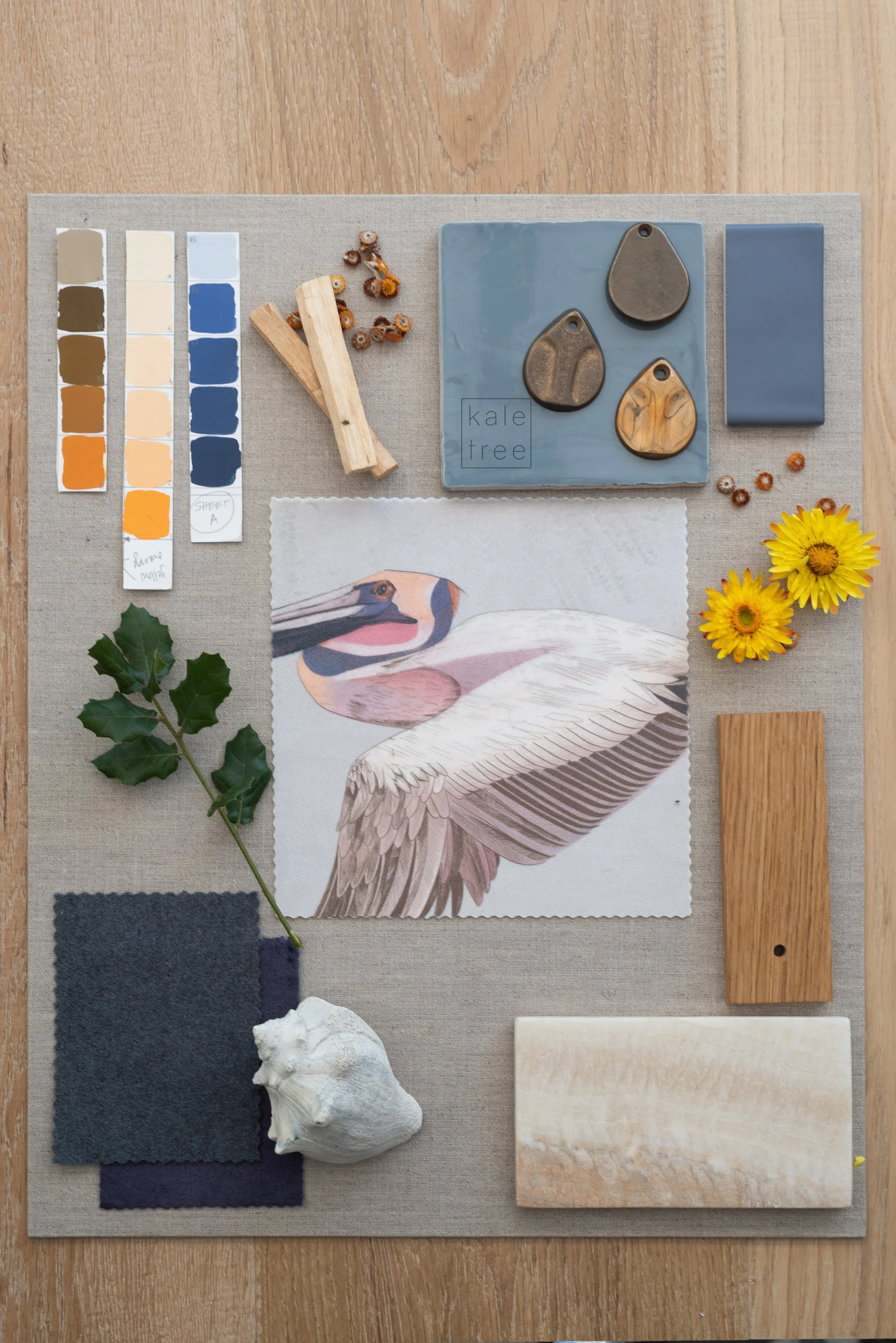
California Brown Pelican + Home Decor
California has long been defined by its coastline, which attracts many people and wildlife to the region. The distinctive conditions along the coast support a diverse ecosystem unique to the area, where many animals can be found in few other places. One of these beloved animals is the California Brown Pelican, a beautiful bird that, much like its namesake state, bridges the gap between land and sea.
Do California brown pelicans live only in California?
While California Brown Pelicans can be found along the coasts of the Americas from Vancouver to Nayarit, Mexico, their breeding range is even more limited, with the only breeding colonies in the United States found in Southern California, within the Channel Islands.
Why the California Brown Pelican?
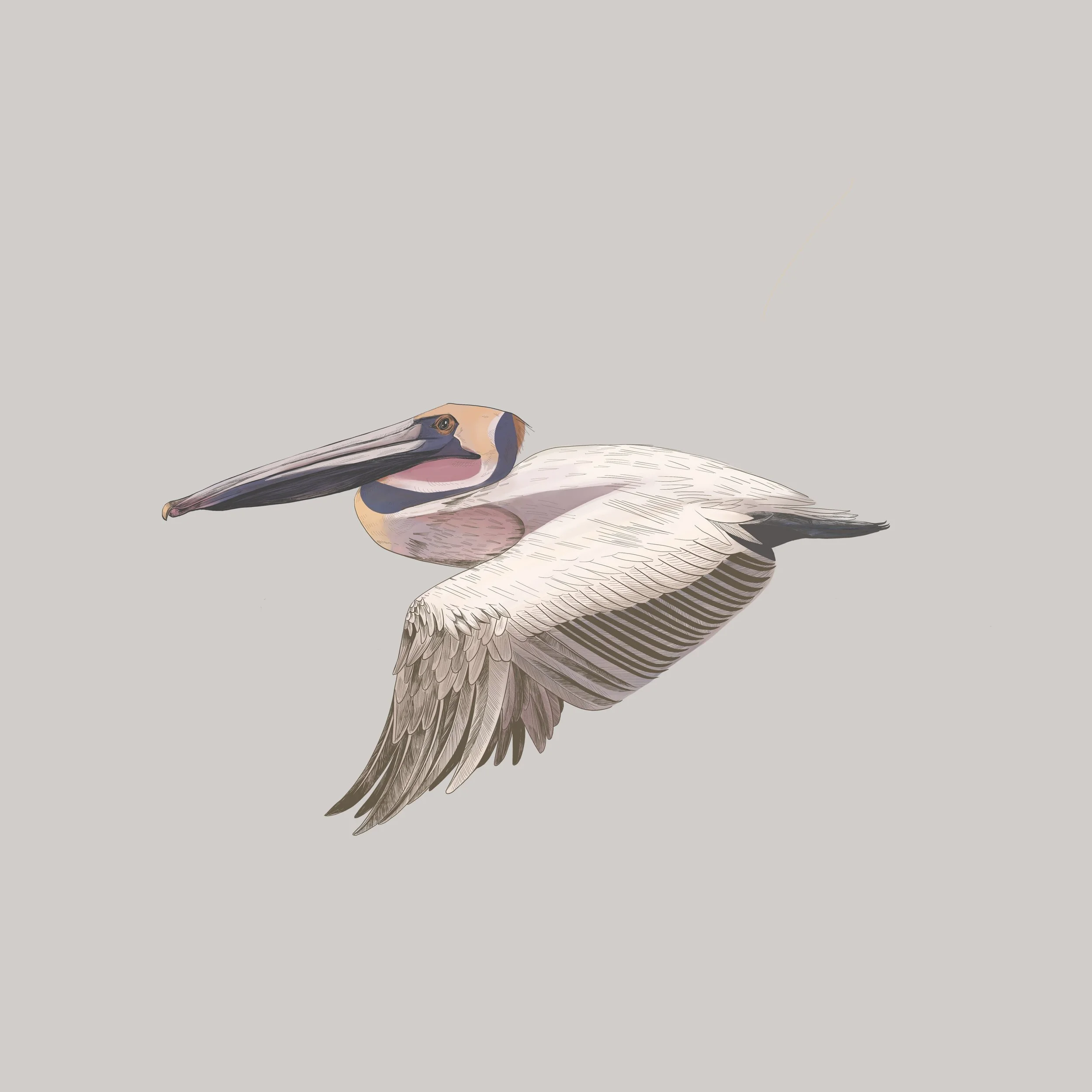
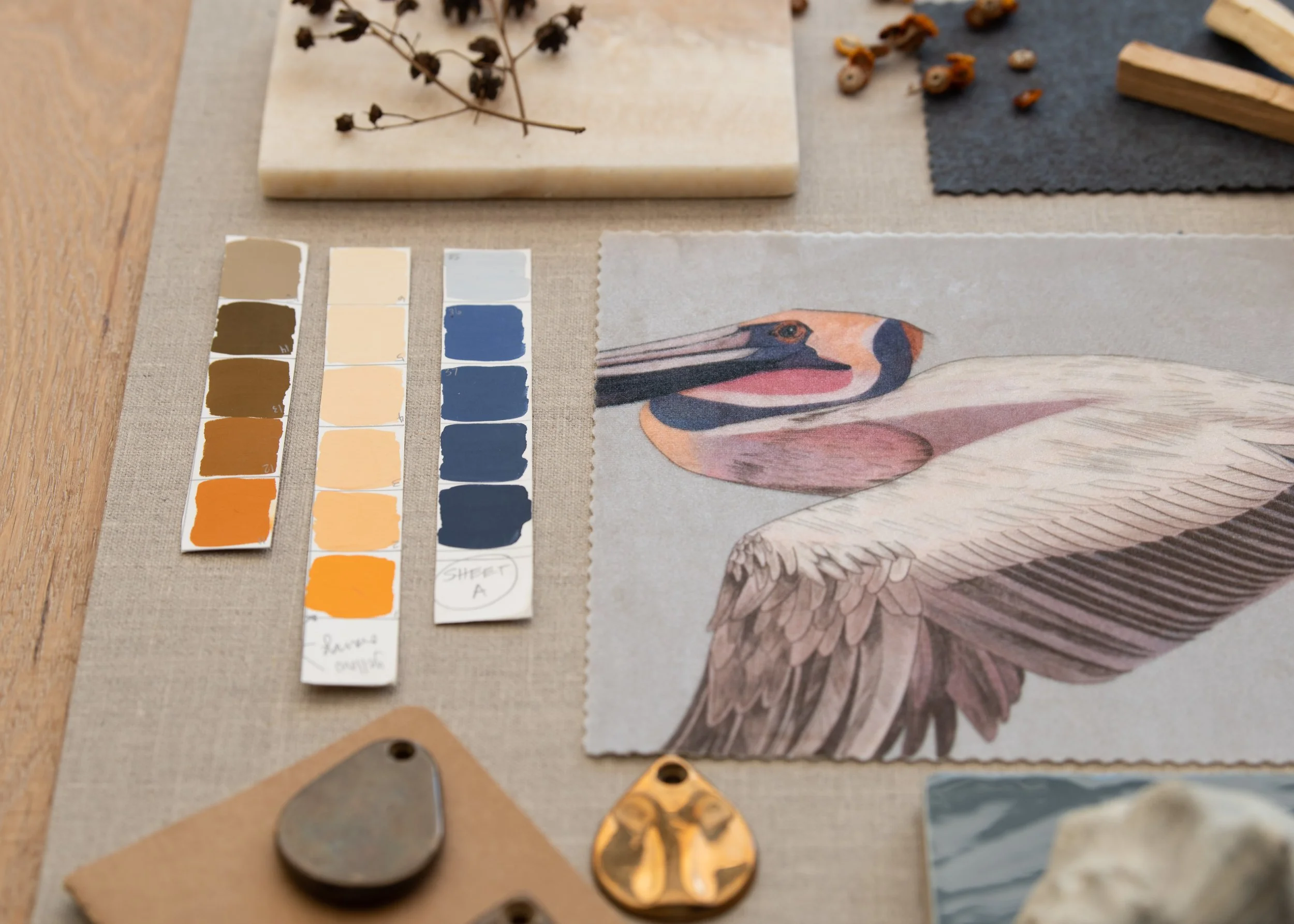
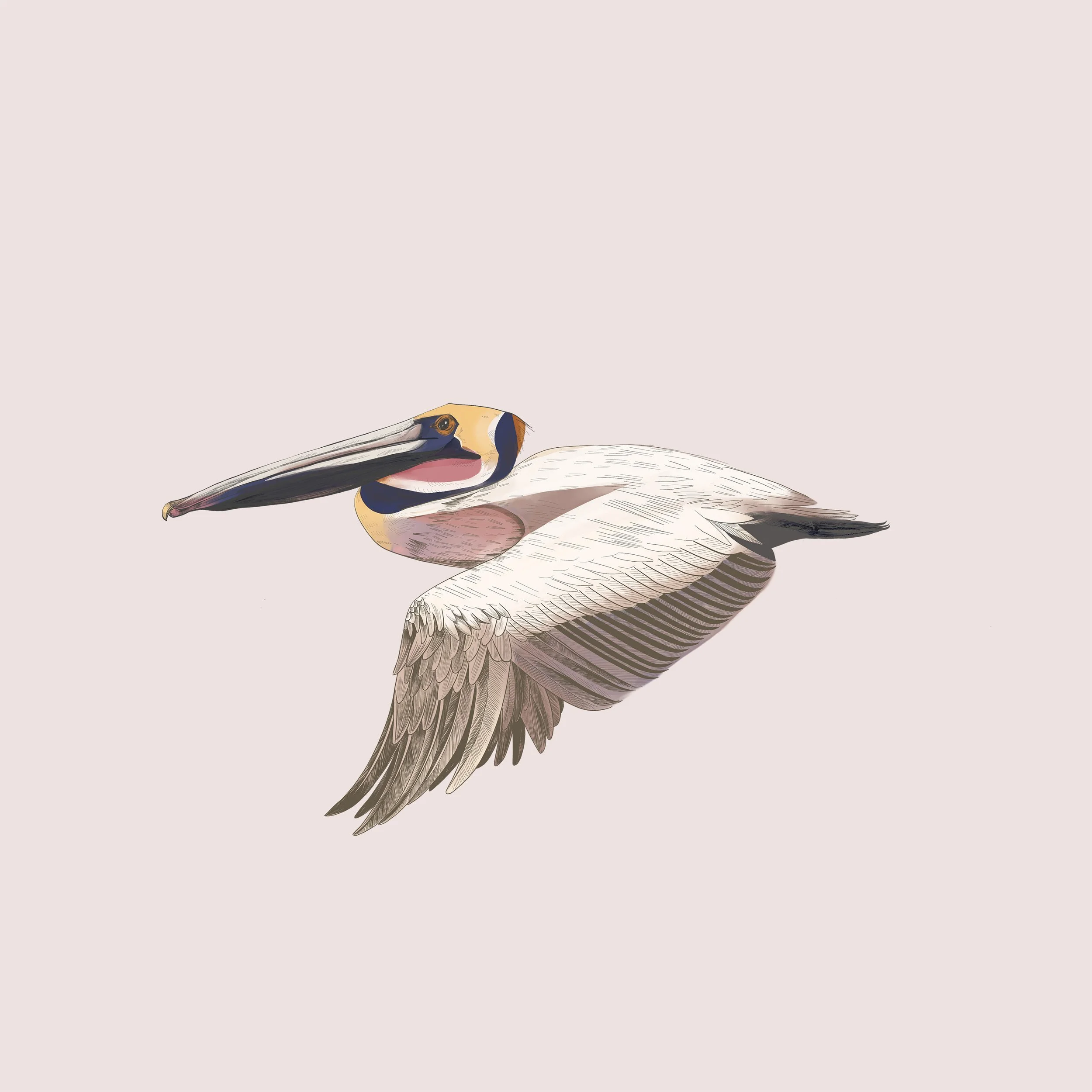
As Kale Tree® looks to nature that inspires us, the California Brown Pelican strongly represents what we find so remarkable about California's nature and wildlife. Our love for the ocean, birds, and the unique qualities of Southern California's environment is reflected in the Pelican. Because its connection to Southern California is particularly tied to its breeding colonies, the Pelican in our textiles and wallcoverings wears the bright seasonal colors the California Brown Pelican dons during breeding season.
What are the colors of a California Brown Pelican?
While most of the year, the Pelican typically has a primarily brown body, during mating season, "the distal end of the bill turns reddish, the proximal end of the throat pouch brightens to a poppy-red, the iris turns a yellowish white to light blue, and a white stripe runs down the pouch side of the neck". These bright, beautiful color changes celebrate the unique characteristics of the Pelican that drew us to the bird, as well as the calm and wonder it inspires.
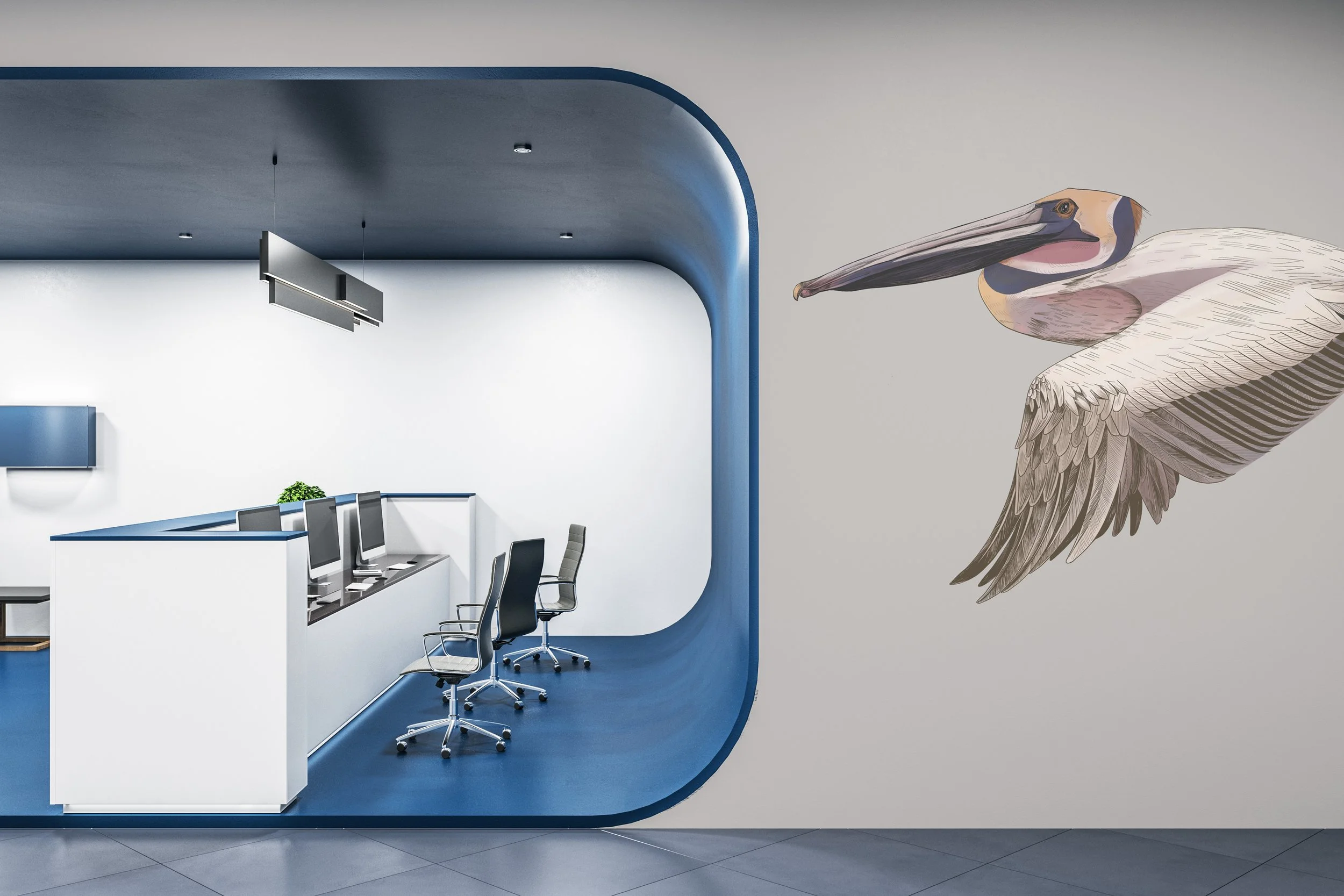
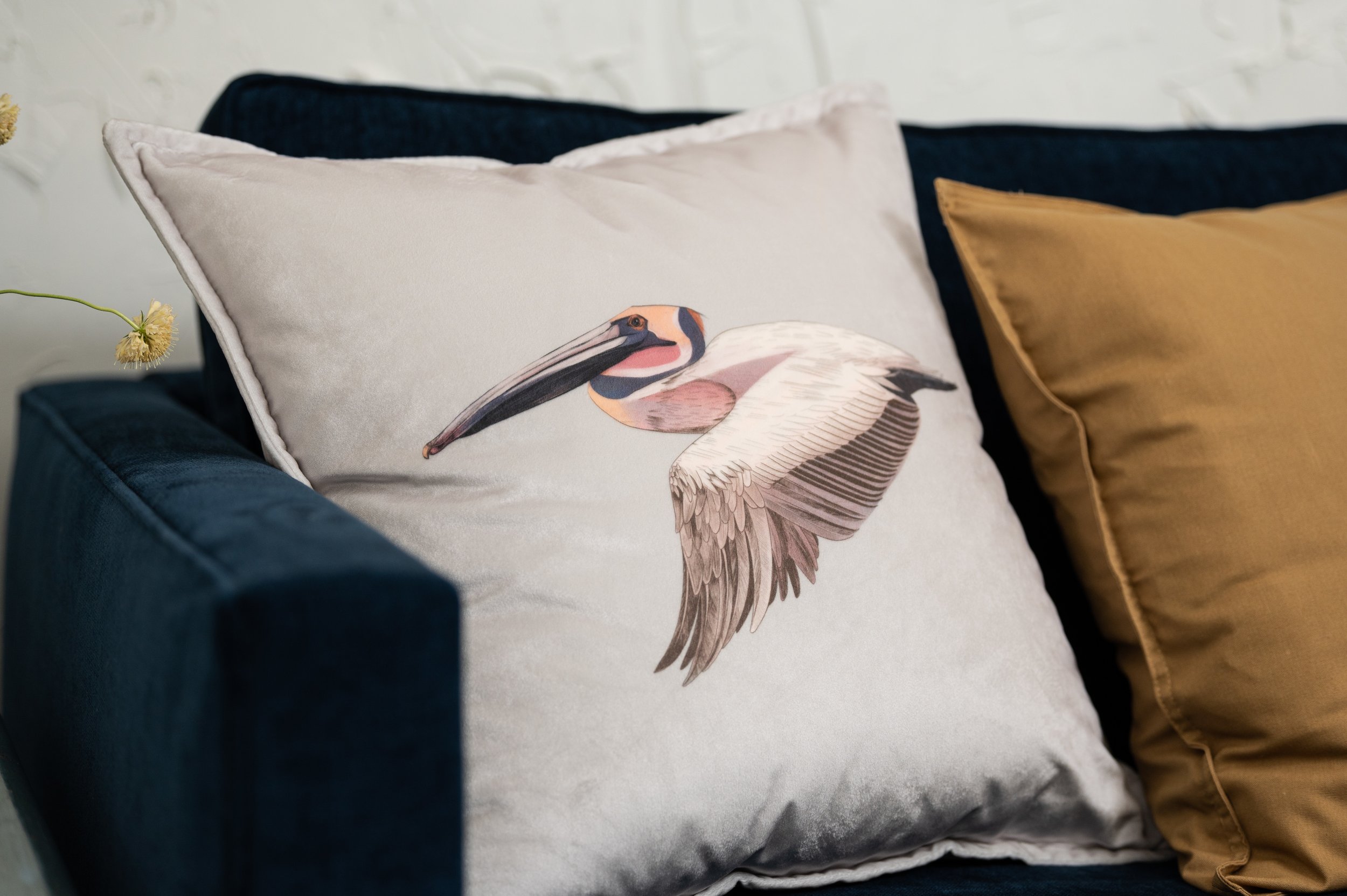
The Pelican art is featured on wallcoverings, Belgian linen, and velvet textiles, reflecting the sense of comfort and peace of being beachside and the exceptional nature of California.
Should I use linen or velvet for pillows, furniture, and draperies?
Kale Tree's Belgian linen and velvet textiles both make excellent options for pillows, upholstery, and draperies. Linen can often contribute to a lighter, more traditional coastal aesthetic. With draperies, linen can also let in more light than velvet, while velvet may be preferable for temperature control. Many may also enjoy the sumptuous tactile nature of velvet for pillows and upholstery.
What are the best ways to decorate with bird motifs?
Bird motifs are excellent for creating visual interest and carrying or introducing color throughout a room. Bird motifs are wonderful when used on throw pillows or bedding, or to create a more dramatic statement on an accent chair or draperies. When used in a larger pattern, like wallcoverings, they can create movement that adds dynamism to a space. In the case of the pelican print, the larger swaths of pattern have a transportive quality, evoking the sight of a pod of pelicans flying above the ocean.
How can I decorate with coastal decor in the winter?
Coastal decor doesn't need to be limited to the summer months. Using softer, more neutral shades of beige or grey can take coastal themes beyond traditional beachy palettes and into more year-round aesthetics. Unexpected fabrics like velvet can add warmth and depth, making more coastal themes appropriate for year-round decor.
https://www.nps.gov/places/000/california-brown-pelican.htm
https://www.aquariumofpacific.org/reportcard/info/california_brown_pelican
Wallflower: A lesser-known floral blossoms into its moment with a new eco wallpaper
Kale Tree Founder Sarah Barnard is an advocate of all things nature. “Being in nature brings me great pleasure, and is the source of inspiration for much of my work,” says Barnard. “Setting aside time to enjoy and plant in my garden helps me decompress, and fully engage mentally and physically outside of my design practice.
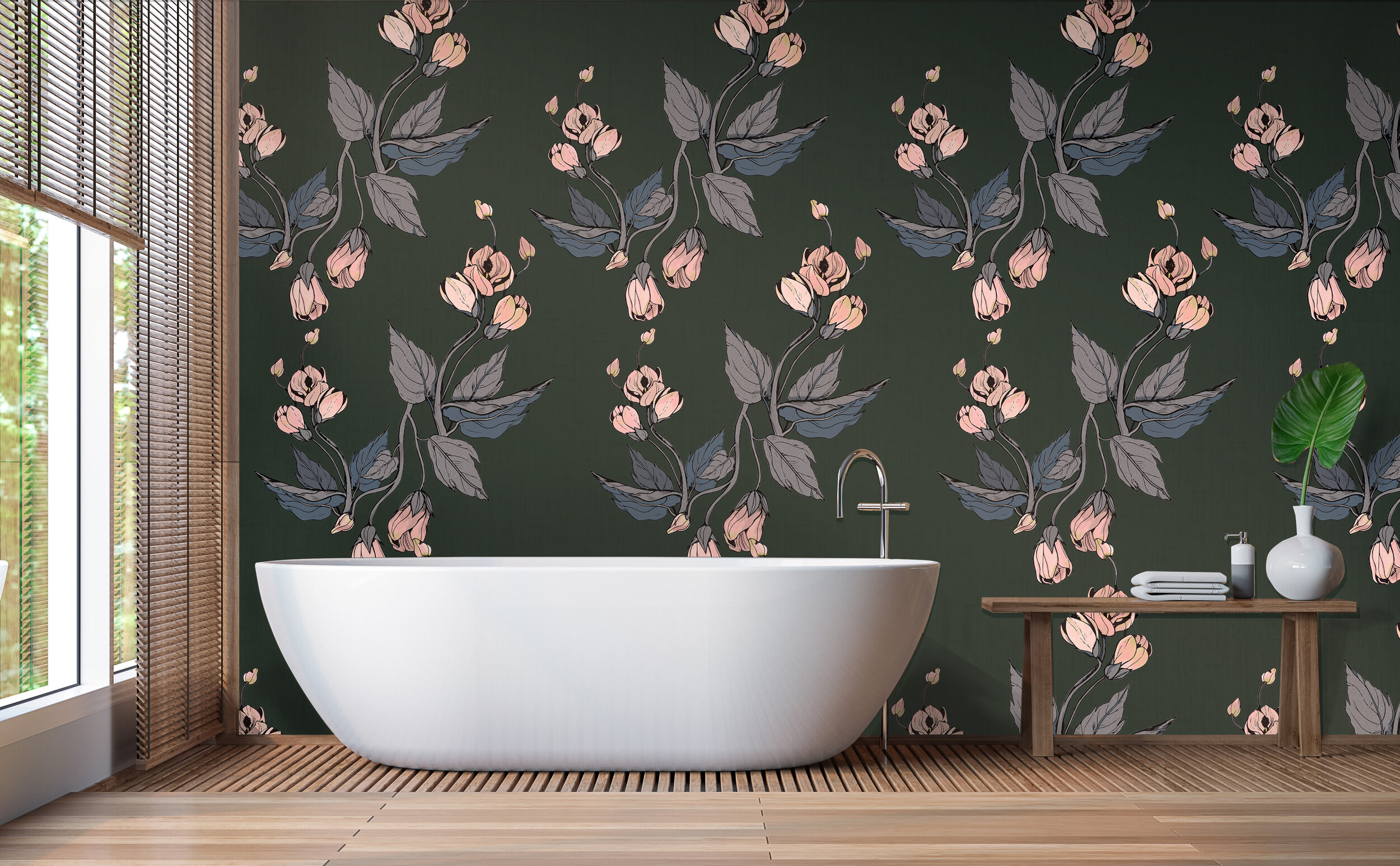
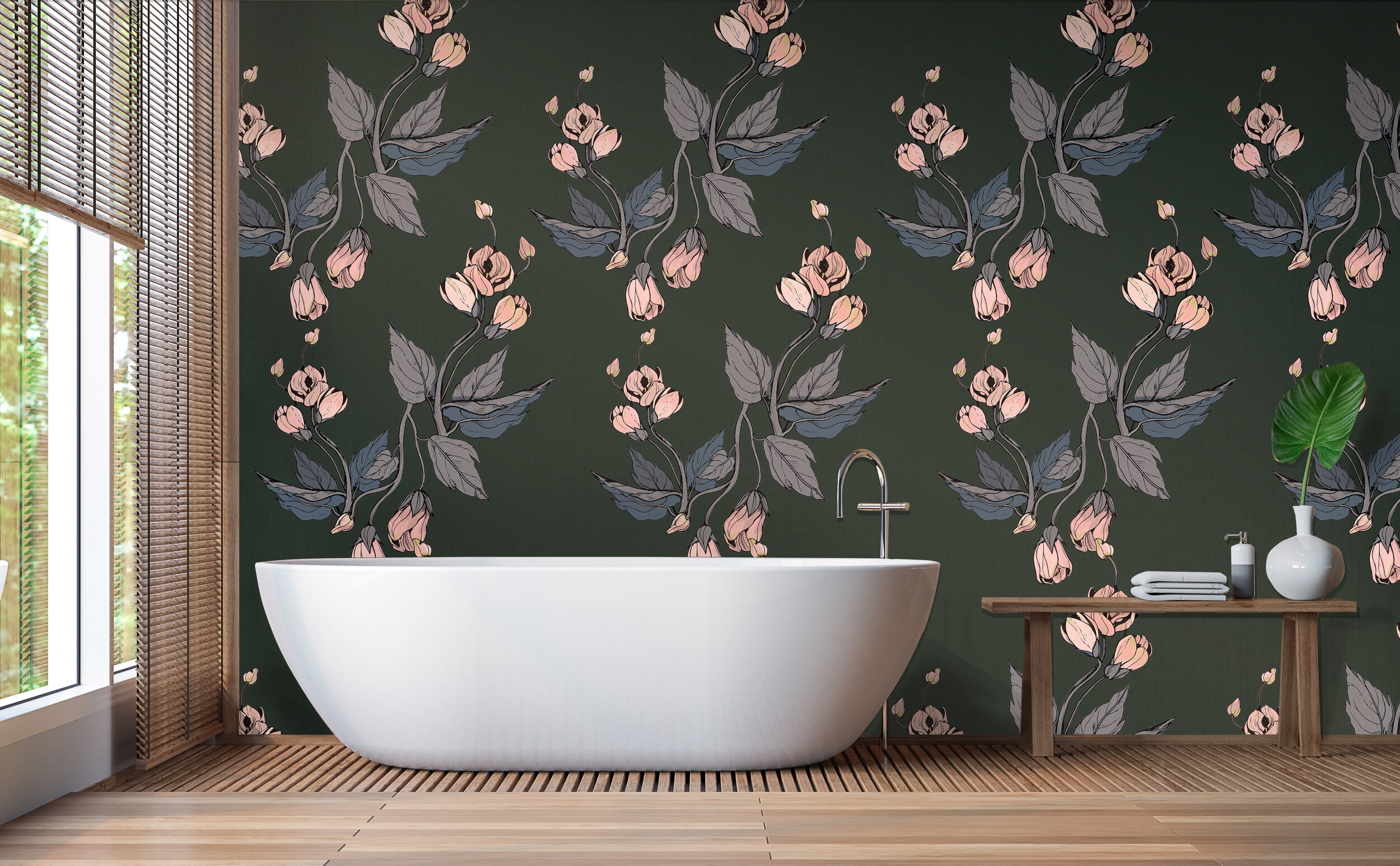
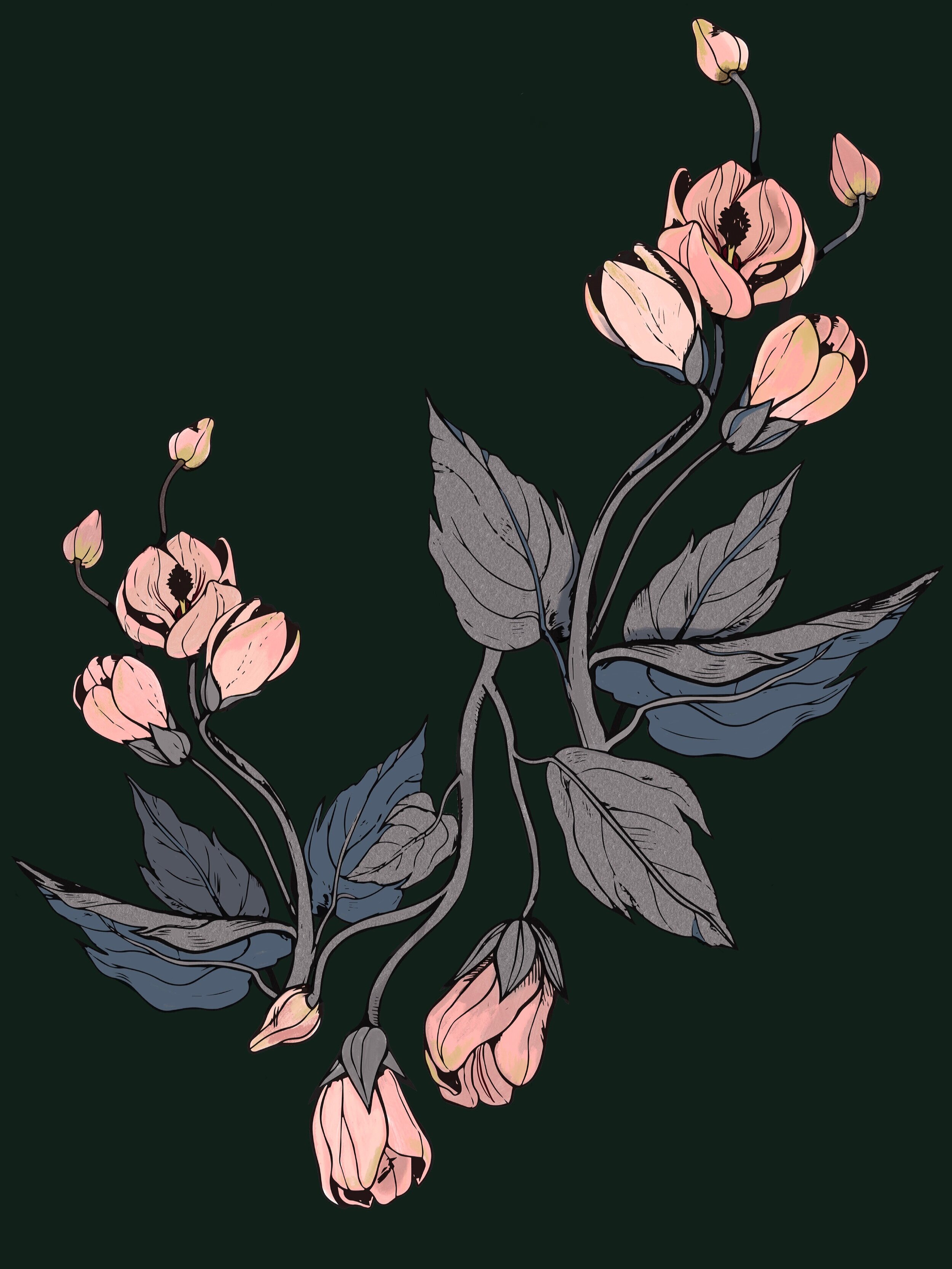
Mallow Wallpaper in Midnight Forest. Image courtesy of Sarah Barnard Design.
Kale Tree Founder Sarah Barnard is an advocate of all things nature. “Being in nature brings me great pleasure, and is the source of inspiration for much of my work,” says Barnard. “Setting aside time to enjoy and plant in my garden helps me decompress, and fully engage mentally and physically outside of my design practice. After gardening, I feel re-energized, focused, and ready to return to work.” One of Sarah’s favorite plants is Mallow. She has three different varieties that she tends to in her garden.
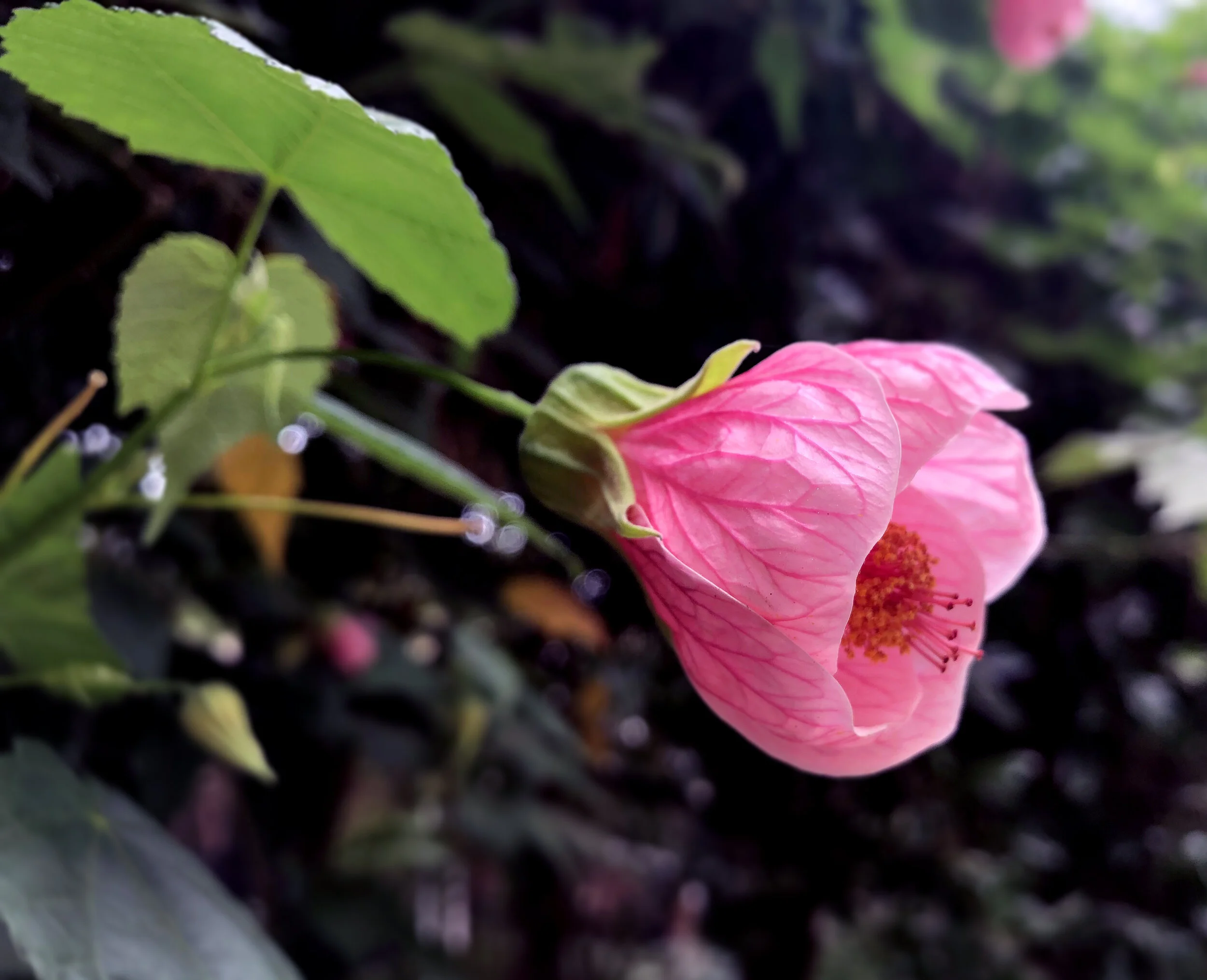
A Mallow making a presence in Sarah’s garden.
Mallow is a free-flowering plant that blooms beautifully draping, lantern-shaped blossoms of all varieties of pinks, yellows, reds, and whites. There are about 200 species in this particular genus. Also referred to as the Flowering Maple, Chinese Lantern, and Indian Mallow, this shrub earned its names from its maple-like leaves, lantern shape flowers, and mallow genus. These shade-loving plants are delicate, requiring regular care and maintenance. This effort can be fruitful; however, as a happy Mallow can flower almost non-stop. These stunning plants are pollinator-friendly, attracting hummingbirds, butterflies, and bees alike[1].
While most commonly planted for ornamentation in gardens, the Mallow has qualities that benefit health and well-being. Some Mallow species have a history of medicinal uses for emollient, analgesic, anti-diabetic, and anti-inflammatory purposes, to name a few[2]. Their flowers produce nectar, making them slightly sweet and astringent[3]. Floriography, the language of flowers, suggests that Abutilon symbolizes Meditation[4].
Out of pure adoration of this plant, Kale Tree created a line of botanical wallpapers inspired by the Mallow.
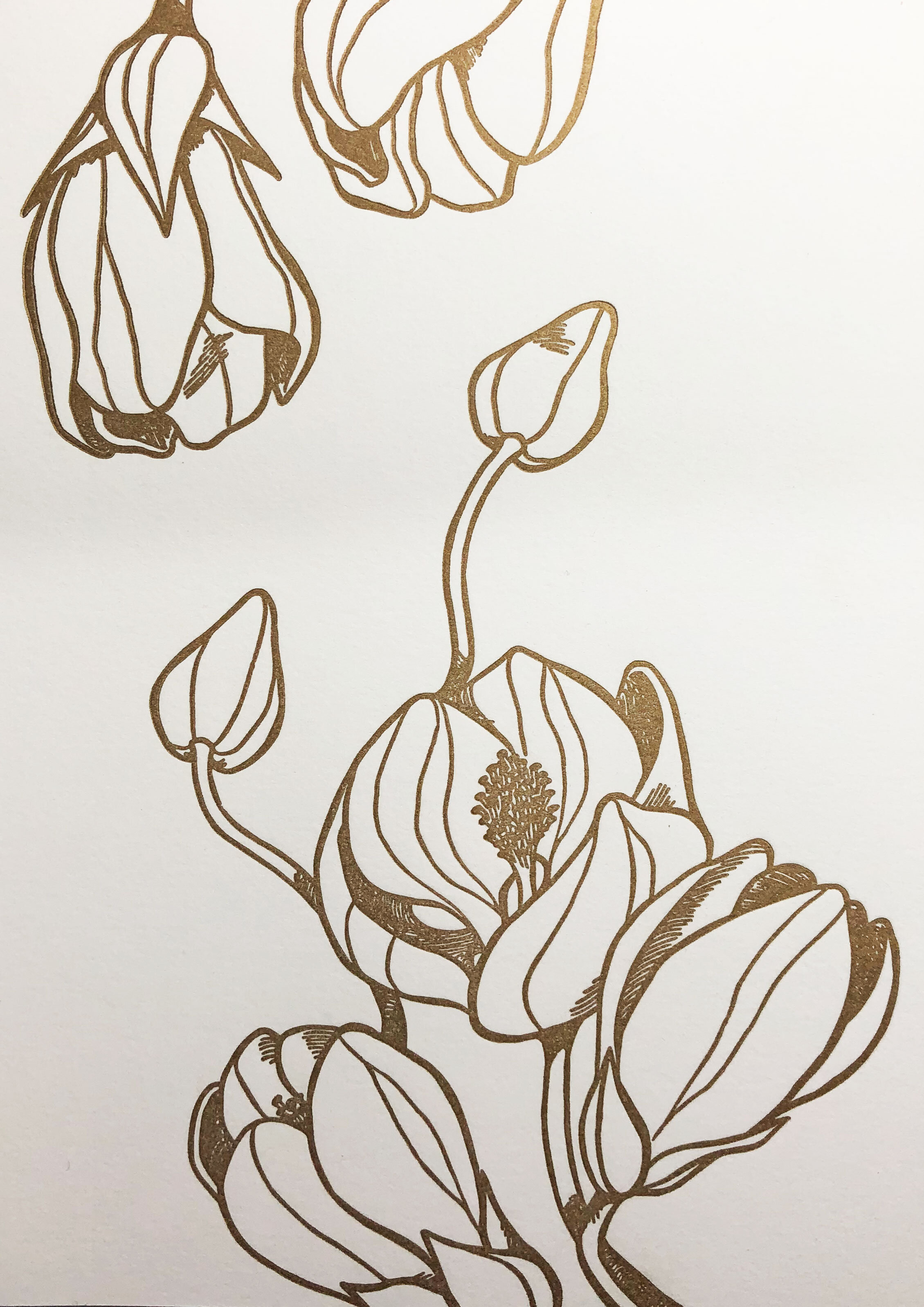
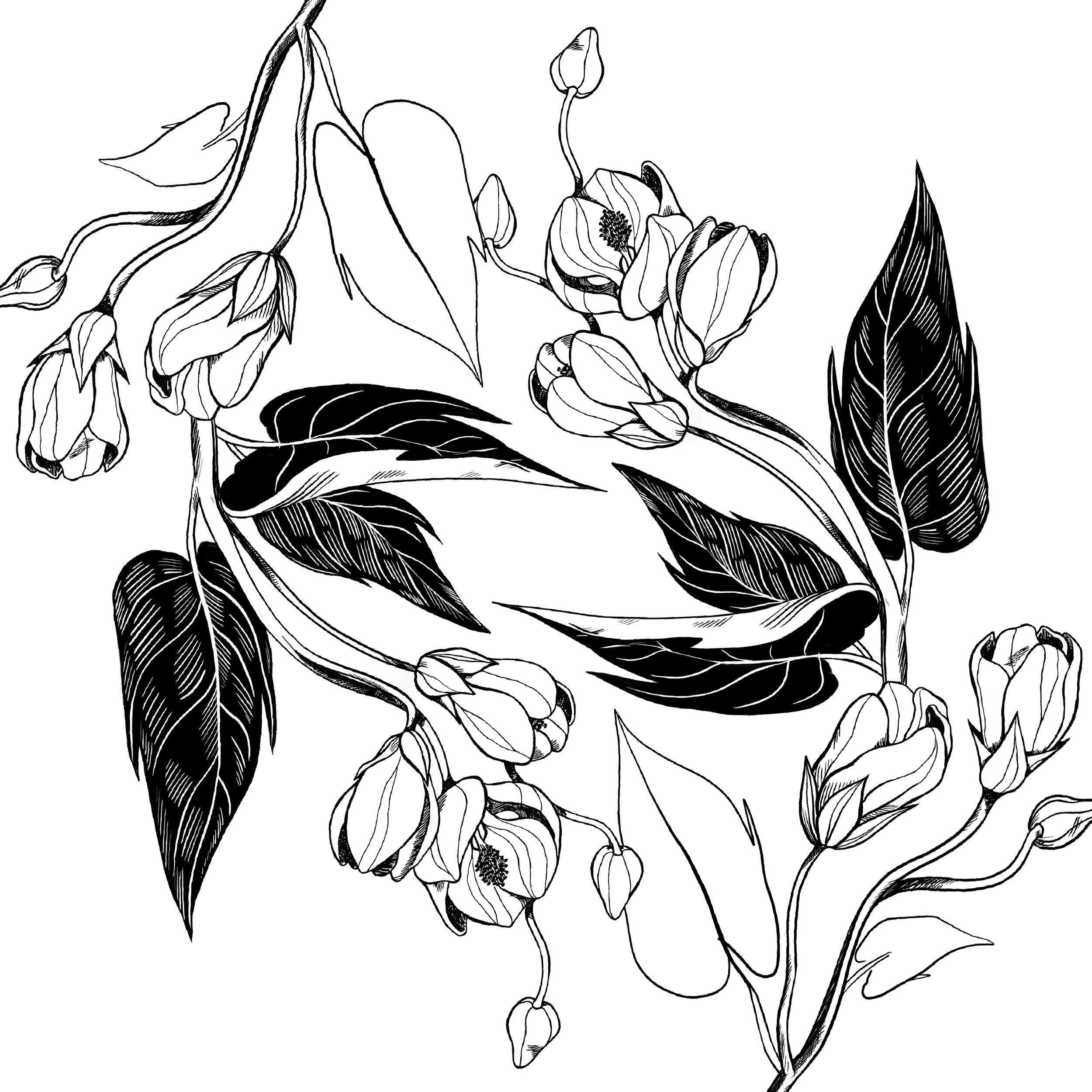
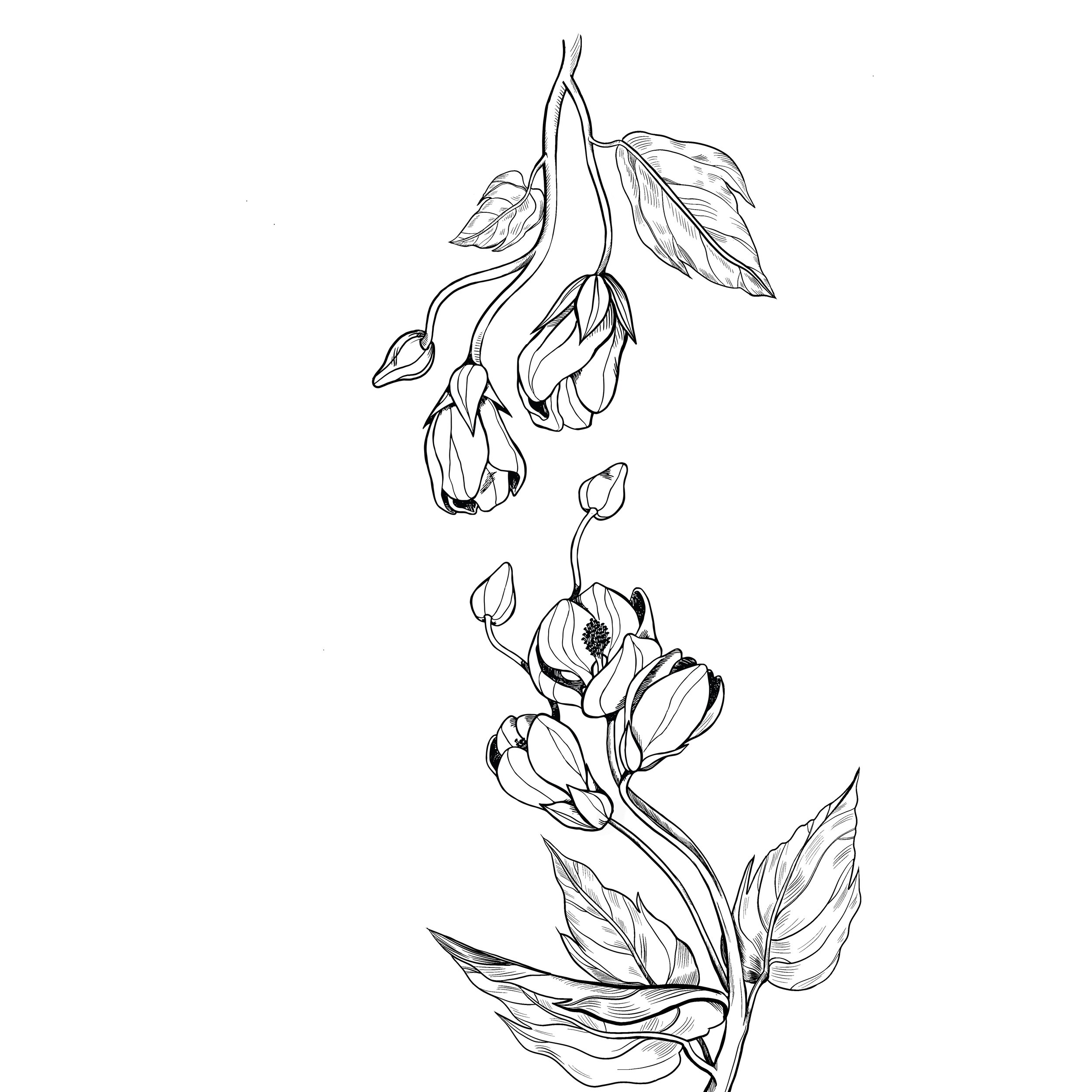
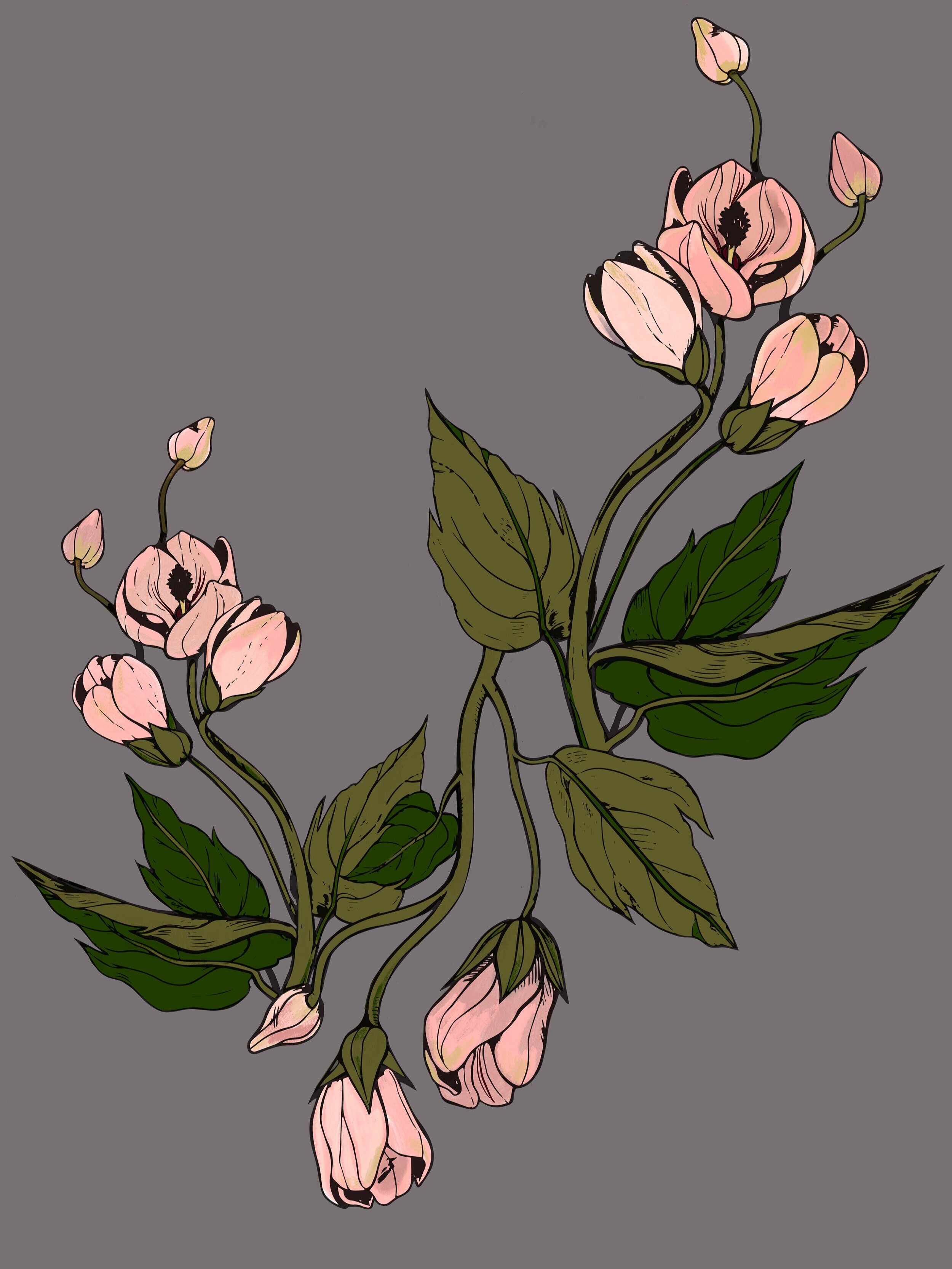
The line drawing for the wallpaper began as the annual letterpress holiday card for Sarah’s interior design studio. The Kale Tree team reworked and expanded the original illustration into a pattern for wallpaper and textiles. Photographs of Mallows in Sarah’s garden were used as references to develop the drawing. Kale Tree designers chose to render the Mallow in a larger than life scale to highlight their extraordinary beauty and bring a contemporary feel to the notion of traditional floral wallpaper. The color palette was adapted from Victorian Era paintings as a nod to art history, marrying classical with contemporary. Pink is utilized generously throughout the illustrations as it happens to be one of Sarah’s favorite colors. “Clients seldom choose to incorporate pink into their spaces, so Kale Tree is my outlet to explore and indulge in this color,” says Sarah.
Kale Tree’s eco-friendly wallpaper features a subtle surface texture and a hand-drawn pattern. It is available in three colorways: Midnight Forest, Evening Mauve, and Dusty Dawn. Designed with nature in mind, this product is a PVC-free, type II wallpaper made with 31% post consumer, recycled canvas, and printed with a VOC-free process free of solvents. The wallpaper is 33 inches wide by 18 feet long and is sold per 49.5 square foot roll. Kale Tree aims to promote health and wellbeing through introducing our healthful, ethically produced goods inspired by the intersection of art, design, and nature.
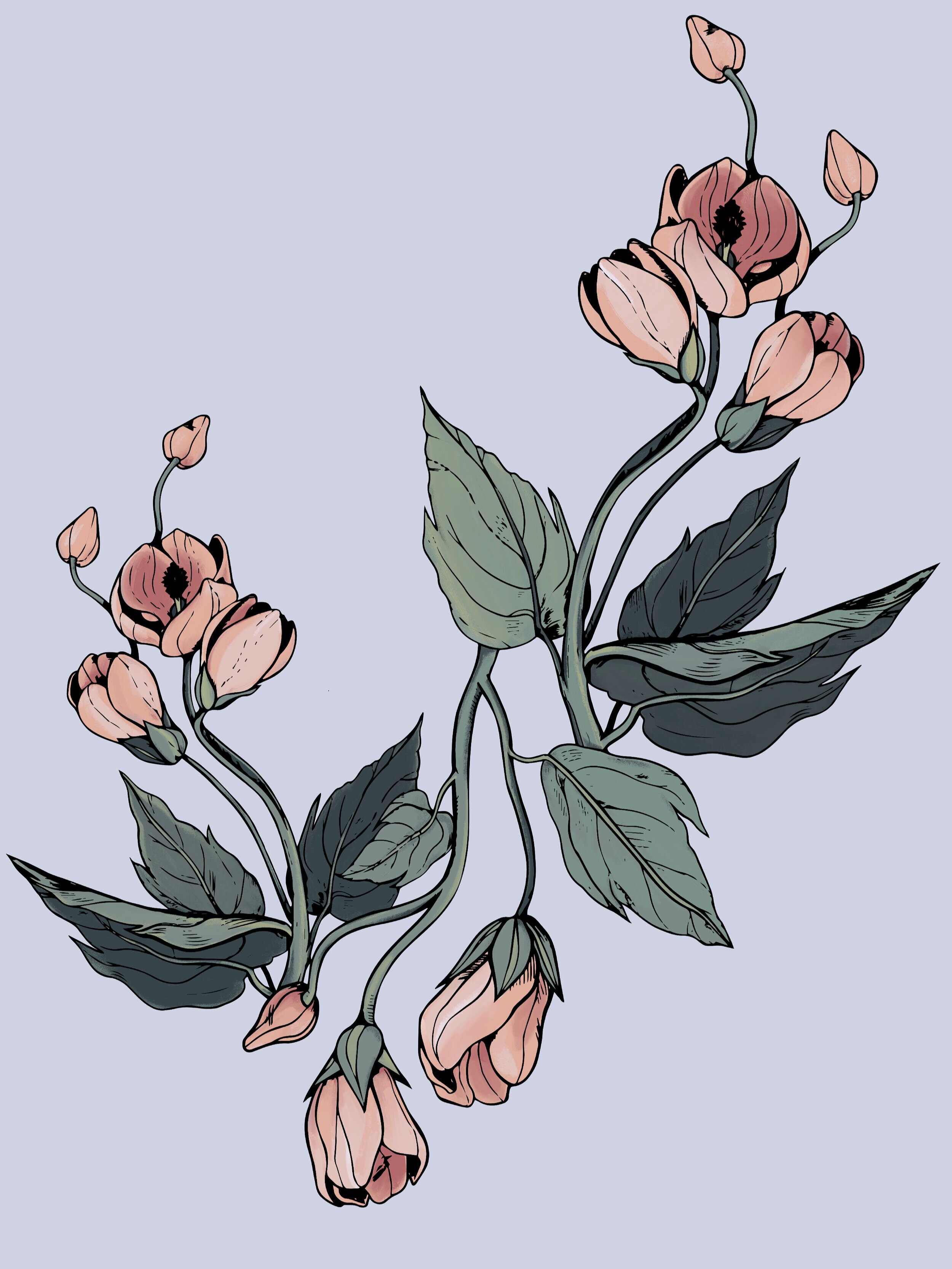
You can pre-order for Spring 2021 here.
References
[1] Mahr, Susan. “Flowering Maple, Abutilon Spp.” Master Gardener Program, 5 Aug. 2020, mastergardener.extension.wisc.edu/article/flowering-maple-abutilon-spp/.
[2] Rajeshwari S, Sevarkodiyone SP (2018) Medicinal properties of Abutilon Indicum. Open J Plant Sci 3(1): 022-025. DOI: 10.17352/ojps.000011.
[3] “Abutilon Striatum (Red Vein Indian Mallow).” Gardenia.net, www.gardenia.net/plant/abutilon-striatum.
[4] Deitz, S. Theresa. Floriography Today: The Symbolic Meanings & The Possible Powers of Trees, Plants and Flowers. 2012.