The Ethereal Palette: Artistry and Ecology in the Moth Collection
A quiet presence descends upon the California landscape during the blue hour, when the sun has dipped below the horizon and the evening air begins to cool. While much of the world's attention turns to daytime pollinators, a silent, equally vital pollinating night shift is just beginning its essential work. This twilight transition serves as the creative foundation for the expansion of the Moth collection, celebrating a cast of characters that sustain local ecosystems under the cover of dusk.
This collection is a tribute to these understated guardians of the environment. Moths are remarkable and diverse, playing a crucial role in pollinating countless plant species that rely on nocturnal visitors for reproduction. Their intricate wing patterns and delicate textures offer a masterclass in organic symmetry, providing a sophisticated alternative to more common natural motifs.
The Legacy of Pebble: A Foundational Inspiration
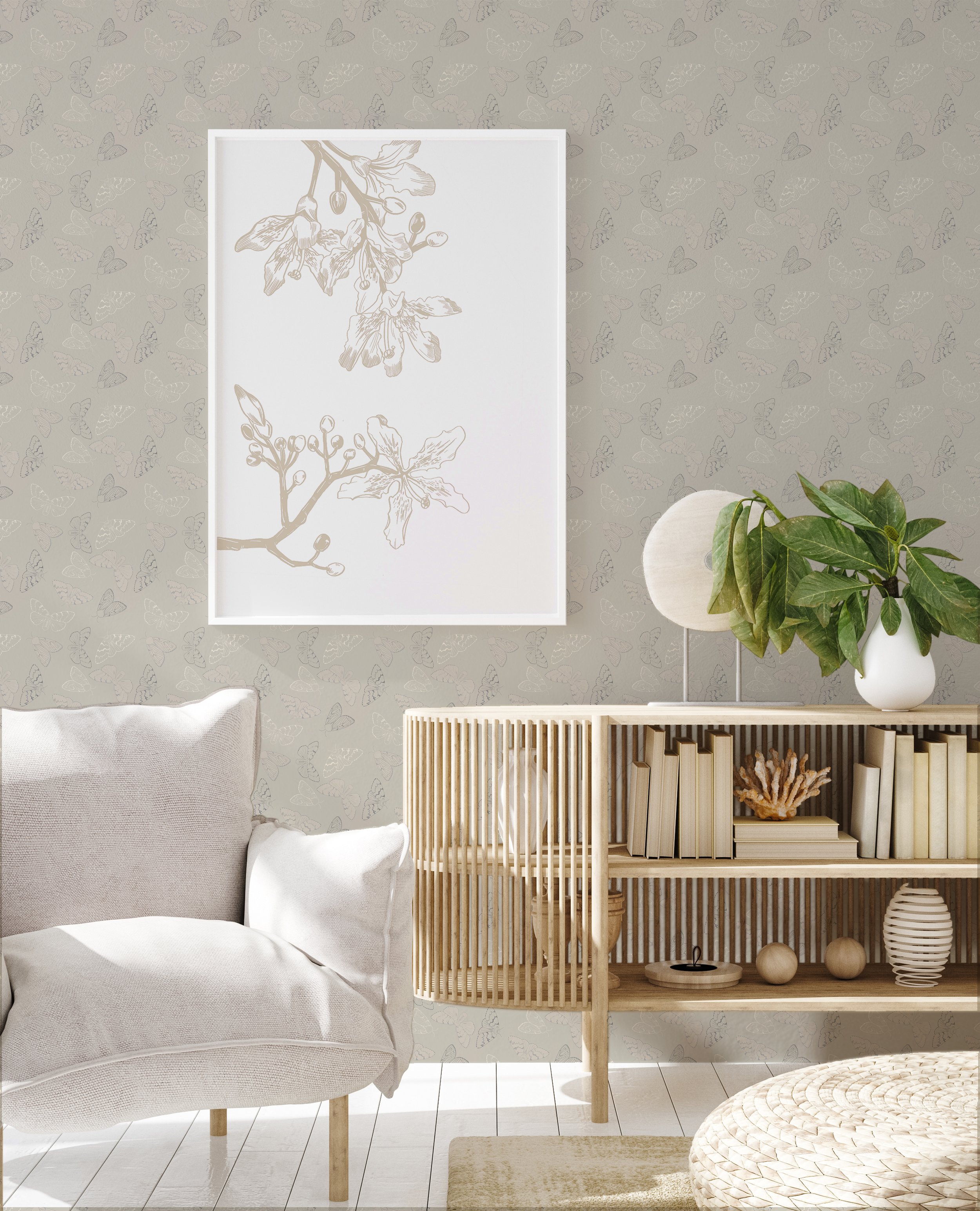
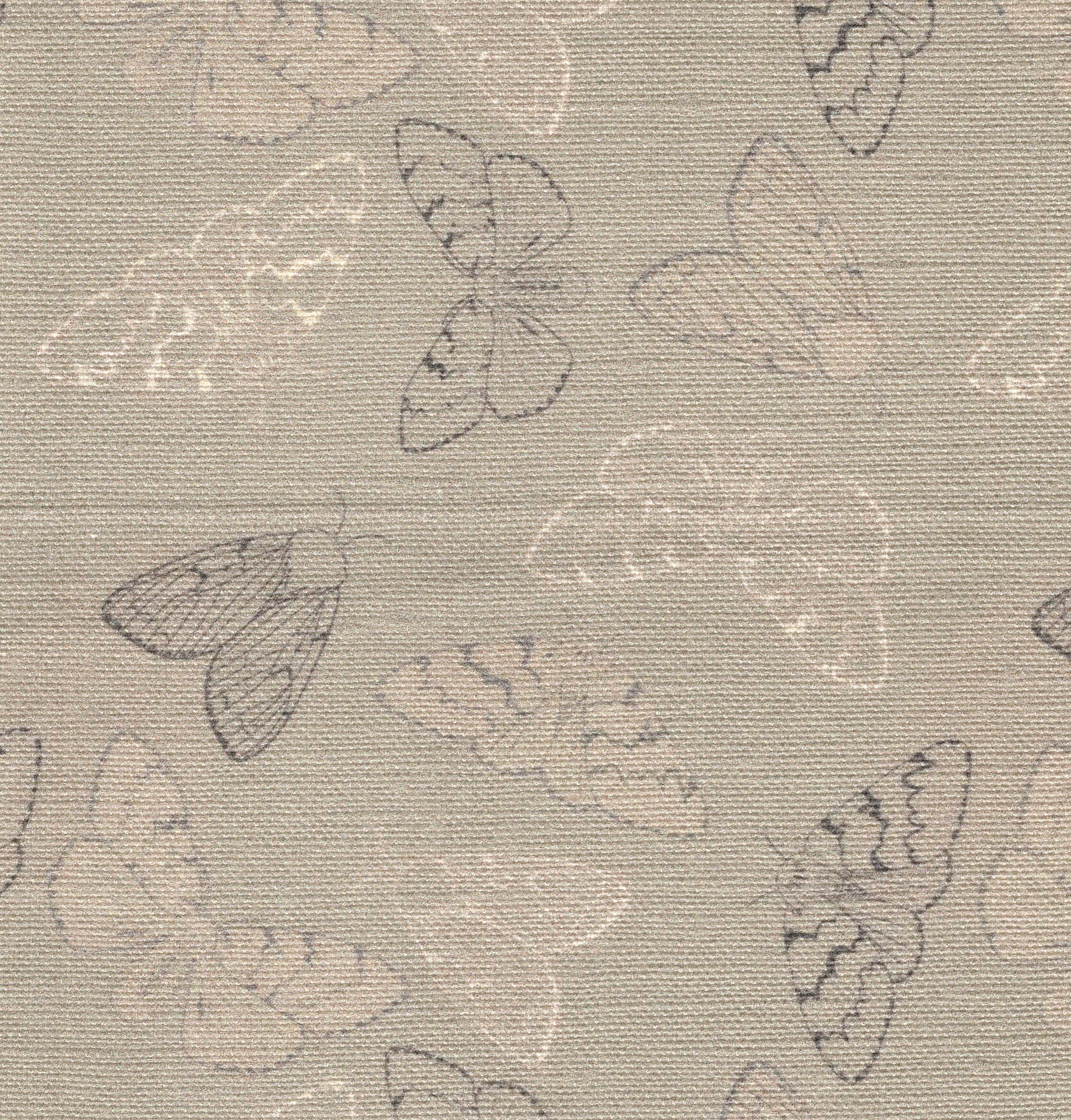
The collection began with a singular, anchoring colorway: Pebble. Inspired by the neutral, toasted gray wings of native species that flutter through the California evening, Pebble was designed to be a versatile staple. Available in both the signature Moth Wallpaper and Moth Textile, this pattern captures the essence of the nocturnal landscape, representing the quiet elegance and understated strength of the moth in motion.
Pebble has become a favorite for restorative, biophilic spaces that honor nature's subtle details. It represents the start of a design journey, the grounded neutral that allowed for the observation and eventual expansion of a palette reflecting the broader tapestry of the California lifestyle.
A New Horizon: From the Coast to the Kitchen Garden
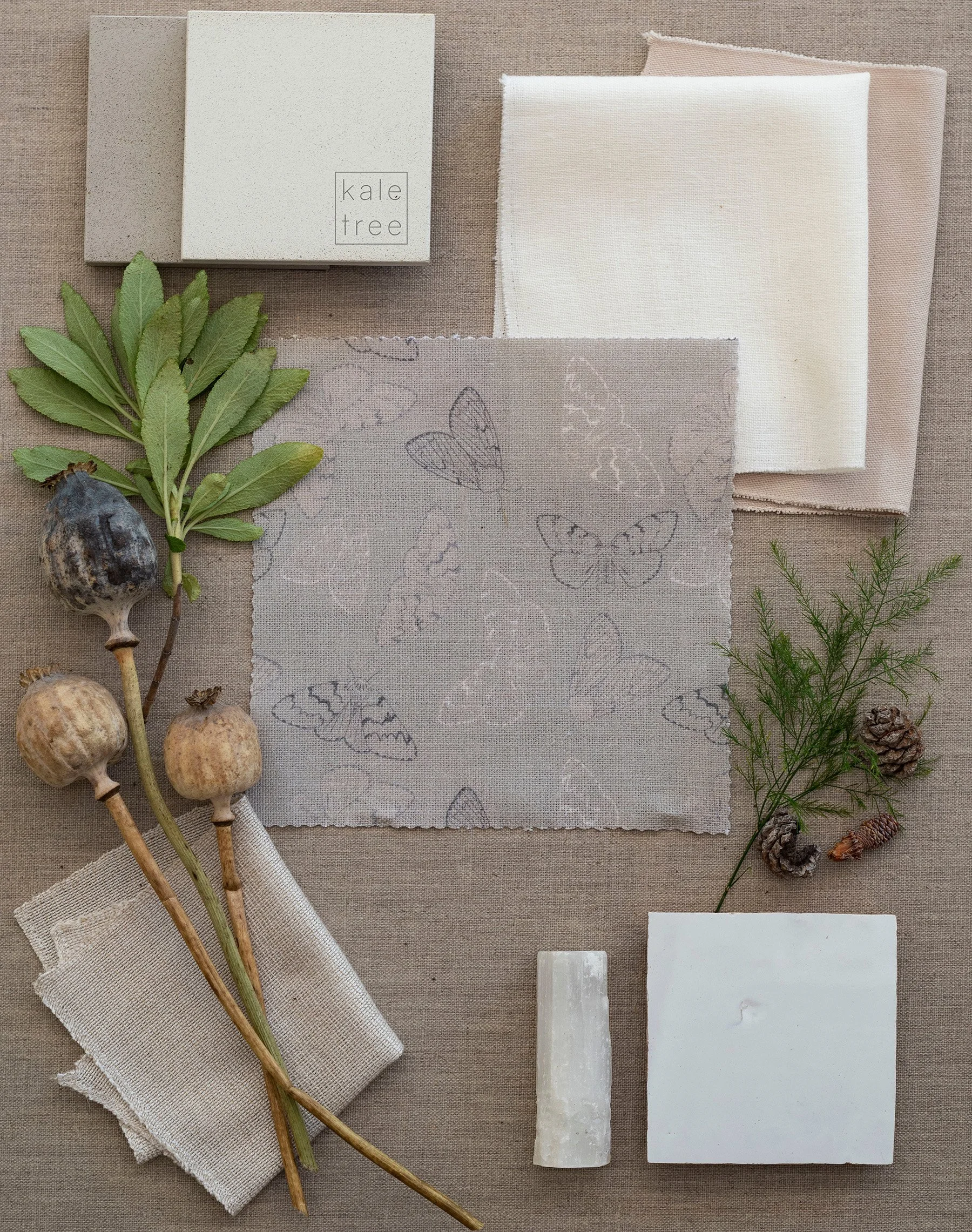
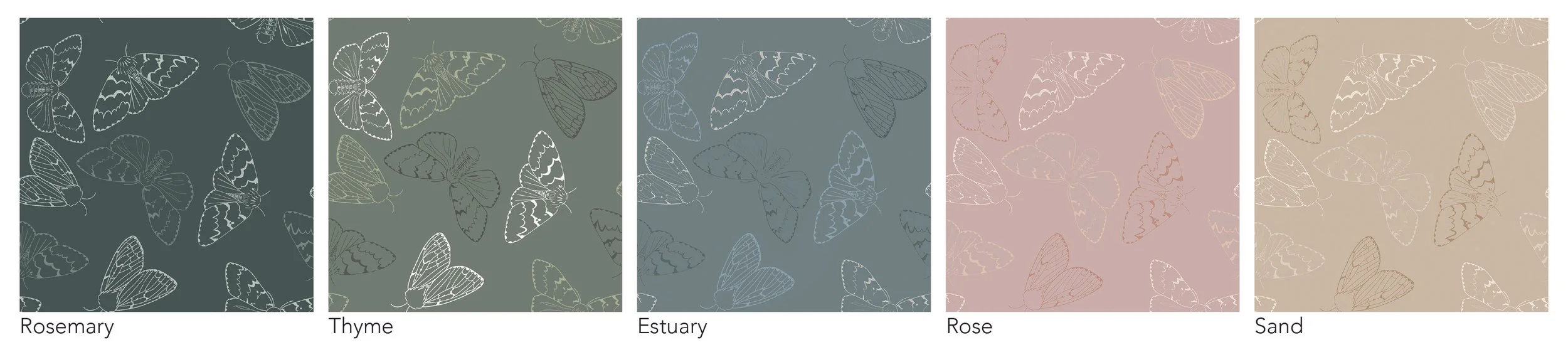
In this new release, the collection moves beyond the foundational neutral to introduce five colorways that reflect a curated California life. These hues draw from the environments that surround and inspire the studio.
Thyme: A verdant, silvery green that pays homage to the heart of the California home, the kitchen garden. This hue brings the aromatic freshness of cultivated herbs indoors.
Rosemary: A deeper, forest-toned green that echoes the structured beauty of Mediterranean-inspired landscaping found throughout the state.
Estuary: Inspired by the cool, deep blues of the brackish waters where rivers meet the Pacific, Estuary offers a tranquil, grounding presence.
Sand: This light, earthy tone reflects the warmth of the sun-baked environment and the pale, neutral dunes found along the coast.
Rose: A soft, mineral glow that embodies the hues of California canyon walls at sunset.
Biophilic Living: A Tactile, Plant-Based Approach
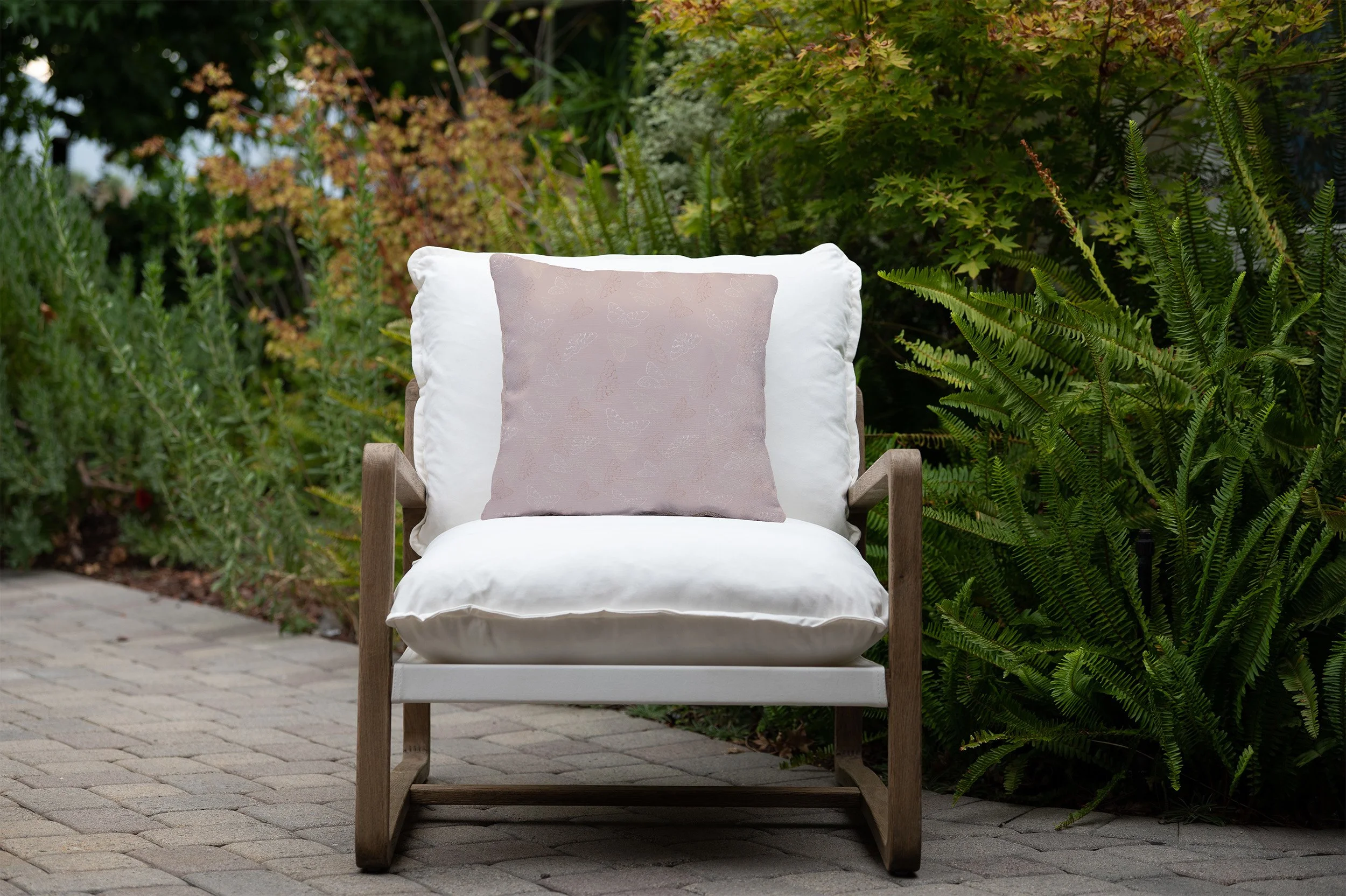
Integrating these new colorways into a home requires a focus on materiality and a connection to the earth's raw elements. The Moth collection is best grounded with textural, natural, organic materials.
The Moth Textile pairs naturally with the weight of heavy-gauge linen, the smooth coolness of tumbled stone, or the warmth of wood. By surrounding these patterns with woven fibers, the home becomes a multi-sensory environment that feels more balanced and intentionally connected to the earth.
Conscious Composition
The expanded Moth textile collection is printed on plant-based fabrics, specifically Belgian linen and organic cotton sateen. These natural fibers offer a tactile, breathable quality that complements a wellness-focused interior.
The Moth Wallpaper is FSC-certified, PVC-free, and printed with GREENGUARD Gold-certified water-based latex inks.
Celebrating the Night Shift
The expanded Kale Tree® Moth collection invites a closer look at the silent contributors to the landscape. From the original elegance of Pebble to the botanical inspiration of the new palette, these designs offer a sophisticated way to bring the artistry of the California evening indoors.
The Night’s Architecture: A Study of California’s Sacred Datura
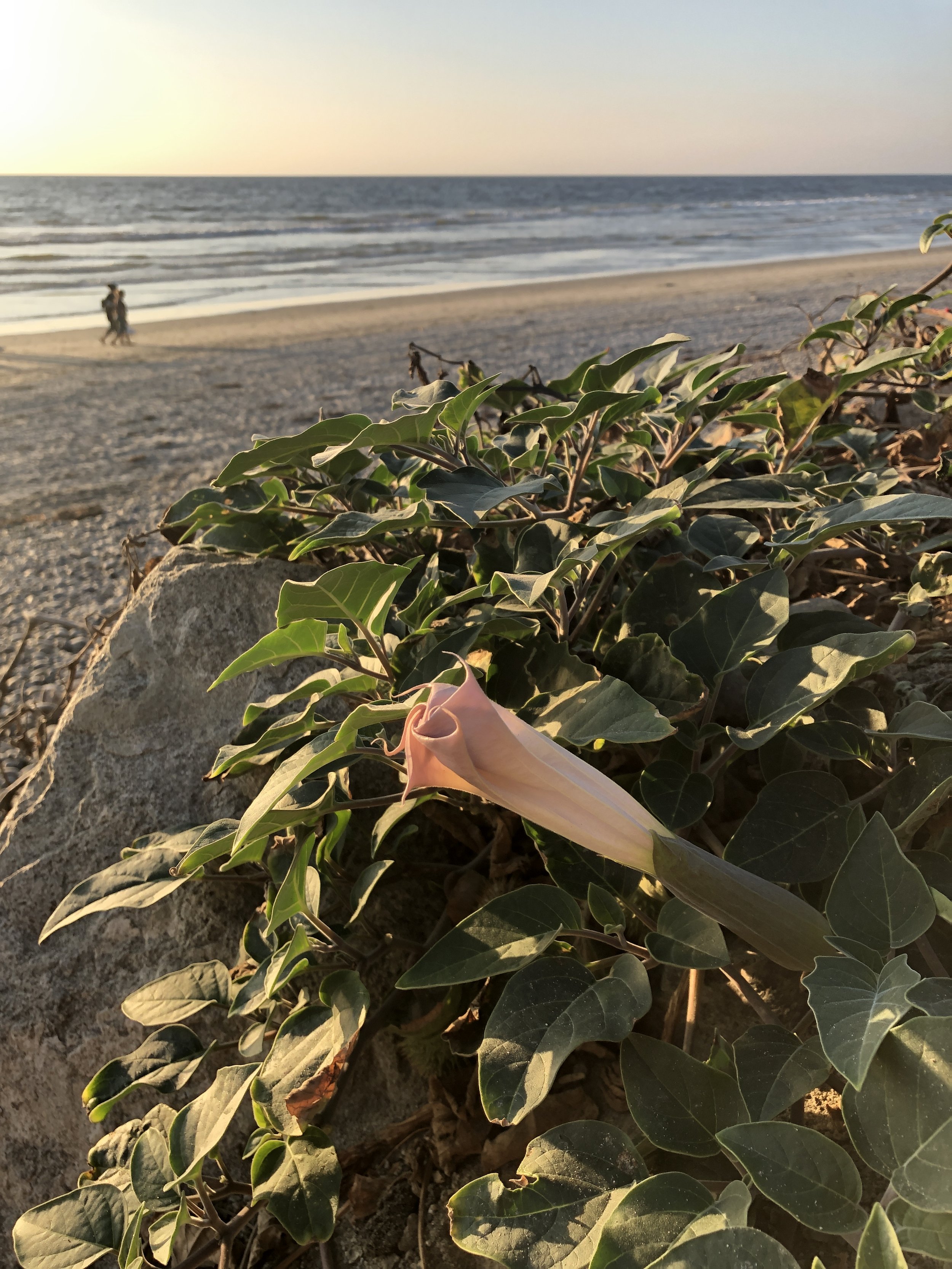
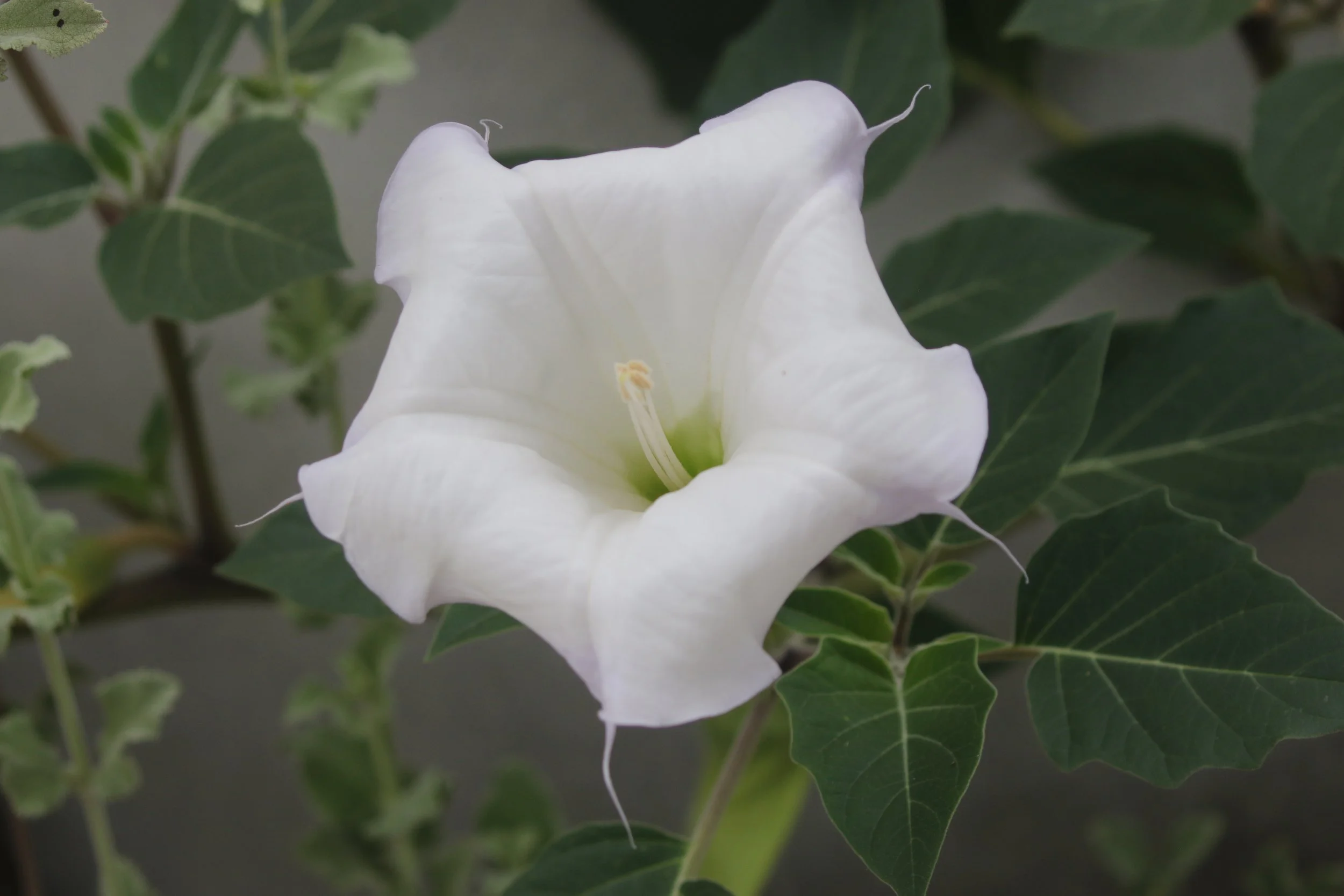
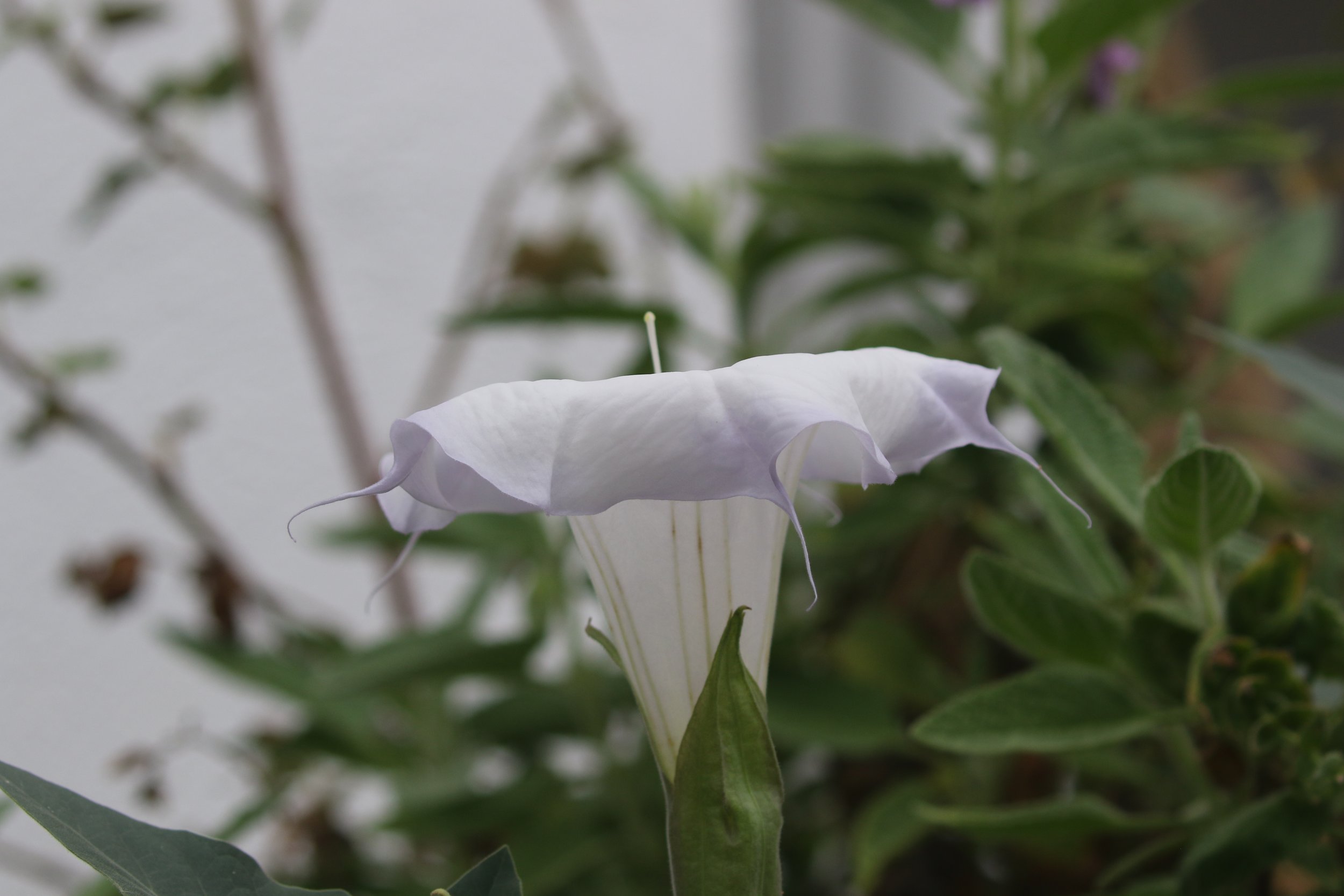
In the high heat of a California afternoon, Datura wrightii looks like a secret hidden in plain sight. Its low-slung, velvety gray foliage hugs the disturbed soil of roadsides and desert washes, appearing almost muted against the vibrant glare of the sun. But as the light fades and the temperature drops, the plant undergoes a structural transformation.
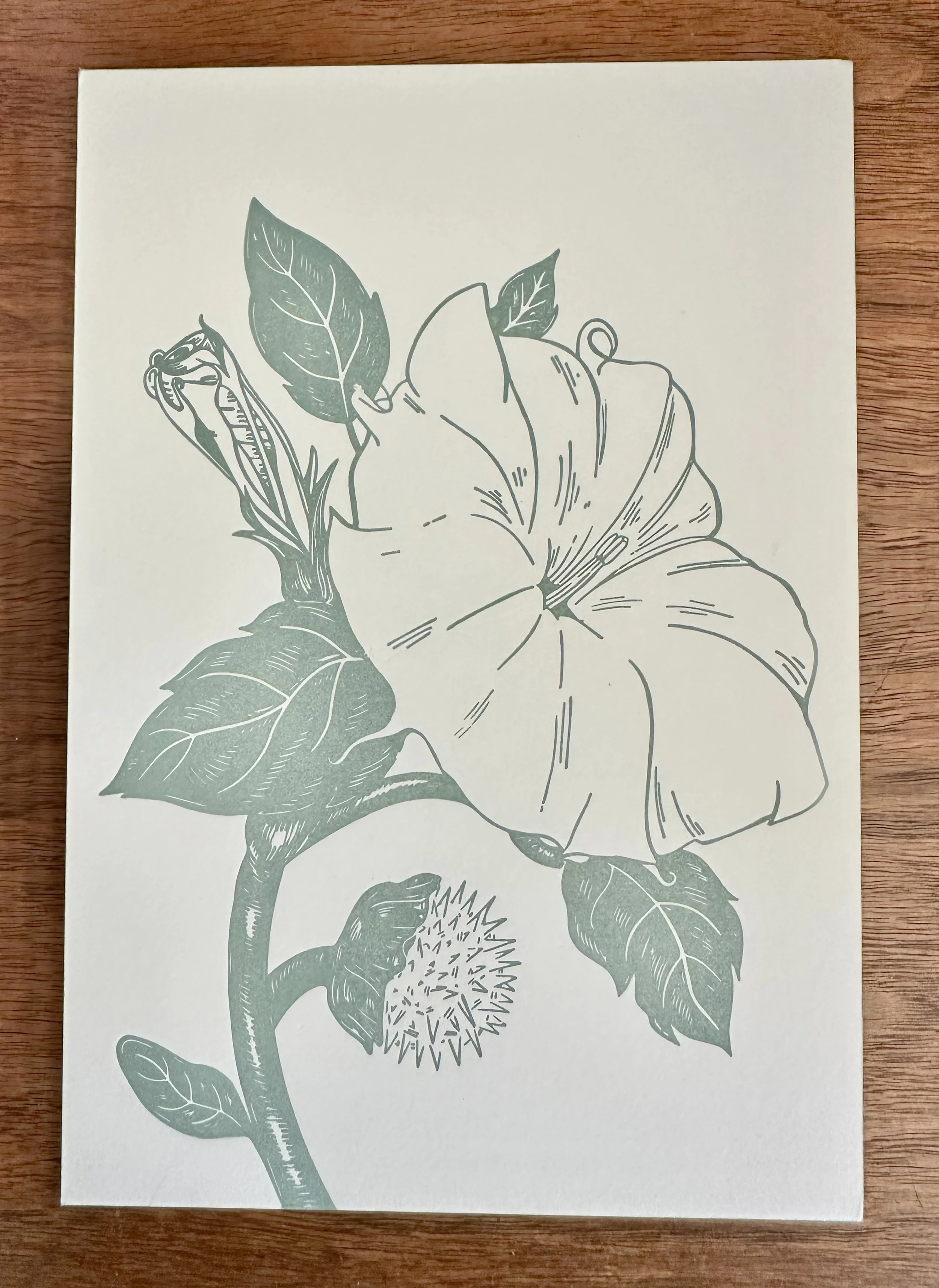
For our Kale Tree® studio, Datura is more than a botanical curiosity; it is a masterclass in organic geometry. We’ve long been drawn to its vespertine nature, the way its massive, pleated buds unfurl with mechanical precision at dusk. What began as a single illustration for a holiday card has become a permanent fixture in our creative vocabulary. We return to its silvered leaves and trumpet-shaped silhouettes not just for their beauty, but for their resilience. In this study, we look past the plant's reputation to explore its role as a cornerstone of the nocturnal ecosystem and a primary muse.
Nocturnal Synchronicity: The Hawkmoth and the Bloom
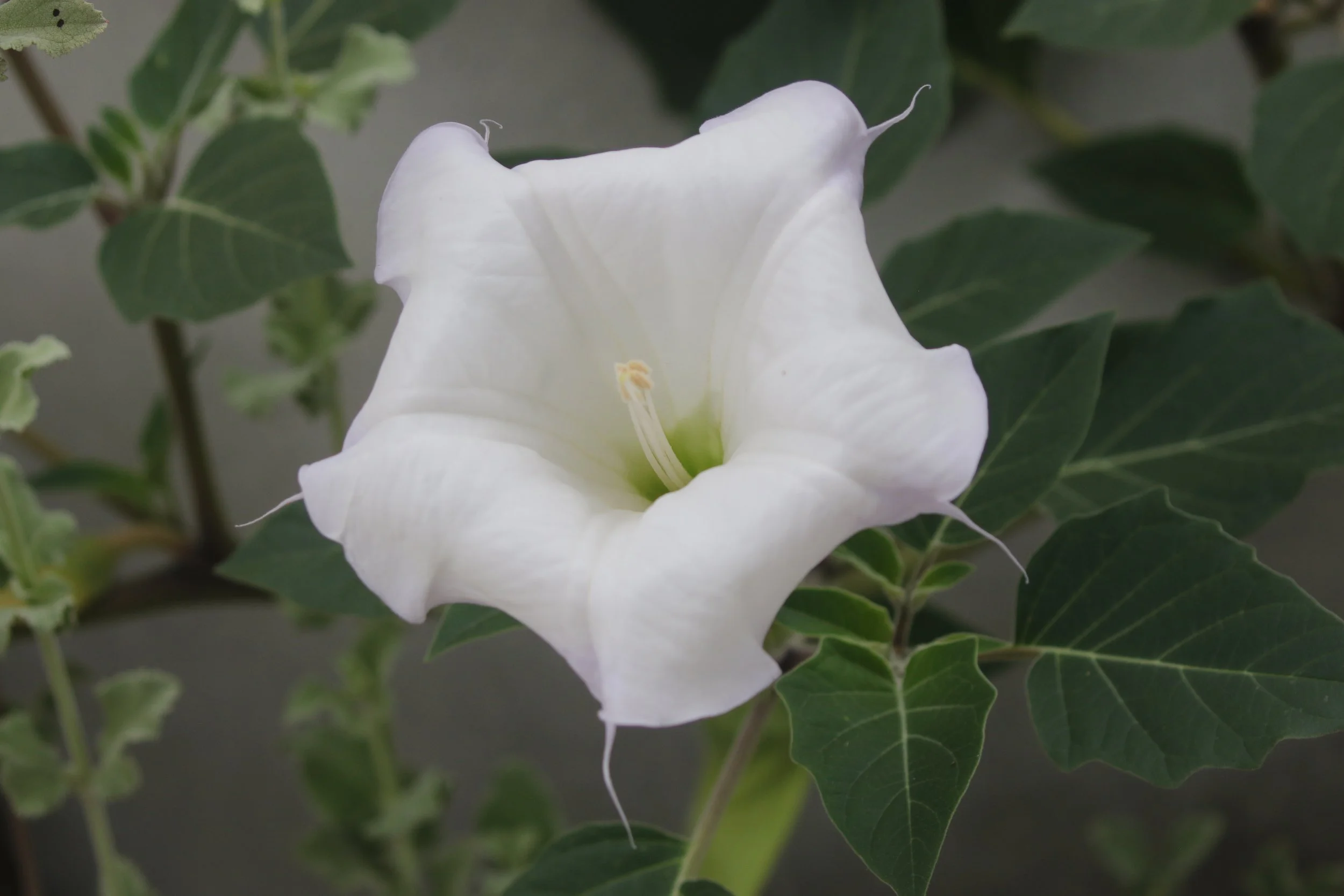
While much of the California landscape thrives under the sun, Datura wrightii operates on a different clock. As the heat of the day dissipates, the plant begins a coordinated sensory display. The massive white trumpets don't just open, they exhale. They release a heavy, intoxicating fragrance that serves as a GPS signal for the Sphinx Moth, or Hawkmoth (USDA Forest Service).
The relationship between the two is a marvel of biological engineering. To reach the nectar deep within the flower’s throat, the Hawkmoth unfurls a proboscis that matches the flower's depth almost perfectly. As the moth hovers, steady as a hummingbird, it becomes an accidental messenger, brushed with the pollen that will sustain the next generation of Datura. In the quiet of a desert or coastal evening, this interaction is one of the few movements in an otherwise still landscape, a silver-on-silver dance that has become a foundational reference for our studio's tonal palettes.
The Ephemeral Bloom
There is a quiet dignity in the plant’s timing. Each flower is a singular event, opening at sunset and offering its full splendor to the night. By the time the next morning’s sun reaches its peak, the bloom has already begun to retreat. This brief, intense window of beauty ensures the plant’s energy is focused on its nocturnal partners, creating a potent moment of connection that defines the rhythm of the desert night.
Deep Roots: A Legacy of Respect
In California, you cannot discuss Datura without acknowledging its profound cultural significance. For the Chumash and Tongva peoples, the plant, known as Momoy or Manit, is far more than a roadside wildflower. It is a sacred entity, historically integrated into rites of passage and sophisticated medicinal practices (Timbrook, 2007).
This history informs how we view the plant today. It isn't just ornamental; it carries a gravity that demands reverence. It is both beautiful and dangerous, as all parts of the plant are highly toxic if ingested (UC IPM). By respecting its boundaries, we can appreciate its role as a survivor. It thrives where other plants wither, providing a critical nectar source in arid environments and standing as a living link to California’s deep botanical and cultural history.
A Note for the Native Garden: The Rowntree Perspective
The pioneer horticulturist Lester Rowntree often spoke of the necessity of bringing the wild into the garden, provided we respect the plant's true nature (Rowntree, 1939). Of the Sacred Datura, she noted its paradoxical beauty and its ability to look lush and tropical while requiring almost nothing from the gardener.
To introduce this architectural giant into the landscape, there are a few considerations. In the wild, Datura wrightii can spread up to 15 feet. In a garden, it needs room to breathe and expand. It craves full sun and well-draining soil. It is drought-tolerant, often performing better with neglect than with over-care. Do not be alarmed if the plant disappears in winter; it is a perennial that retreats into its hardy root system, waiting for the warmth of spring to push it back through the soil. Finally, because of its high toxicity, it should be planted with care, taking into account its proximity to children and pets.
A Continuous Muse
Our work at the studio is an ongoing dialogue with plants like these, species that refuse to be ignored and offer a structural complexity we find endlessly inspiring. The Sacred Datura reminds us that the most profound beauty often reveals itself only when we are willing to wait for the sun to go down.
Works Cited
Rowntree, Lester. Hardy Californians. Macmillan, 1939.
Timbrook, Jan. Chumash Ethnobotany: Plant Knowledge Among the Chumash People of Southern California. Santa Barbara Museum of Natural History, 2007.
UC IPM. "Sacred Datura." University of California Statewide Integrated Pest Management Program.
USDA Forest Service. "Datura wrightii (Sacred Datura)." U.S. Forest Service Celebrating Wildflowers.
California Style Holiday Gifts
Give gifts intentionally and sustainably this holiday season by choosing nature-inspired goods from Kale Tree®. Use our beautifully biophilic textiles to customize special gifts, or choose from a selection of goods that can help infuse a home with warmth and serenity.
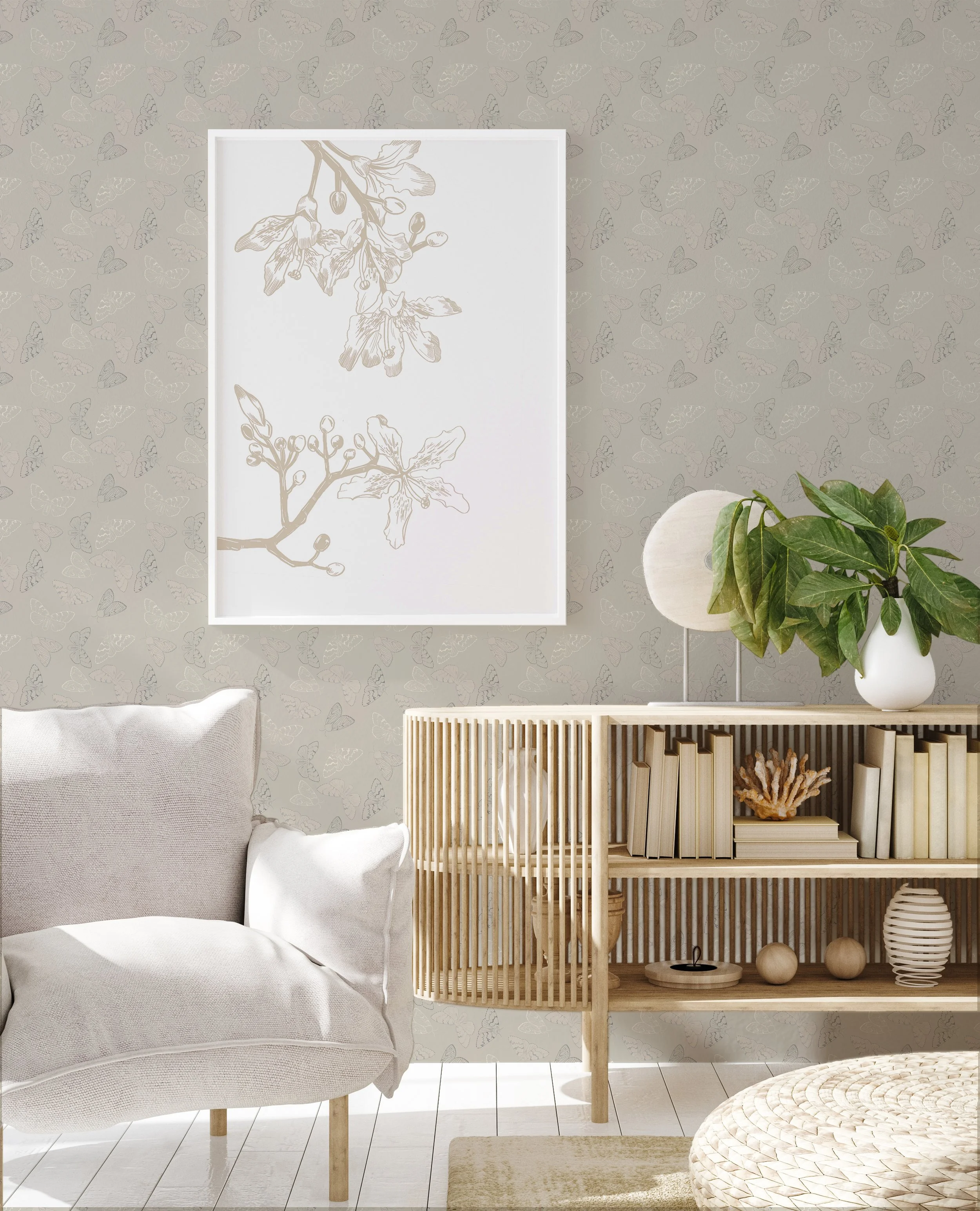
Moth Wallpaper
Butterflies represent transformation and hope, a symbolism that is particularly understood by butterfly enthusiasts and lepidopterists, who would find a gift of moth-motif wallpaper meaningful and beautiful. Light-hearted and lovely, in neutral creams and toasted gray scallops, the pattern is hand-drawn, inspired by moths fluttering at dusk.
This eco-friendly wallpaper is printed in the United States on FSC-certified paper, is PVC-free, and features subtle surface texture.
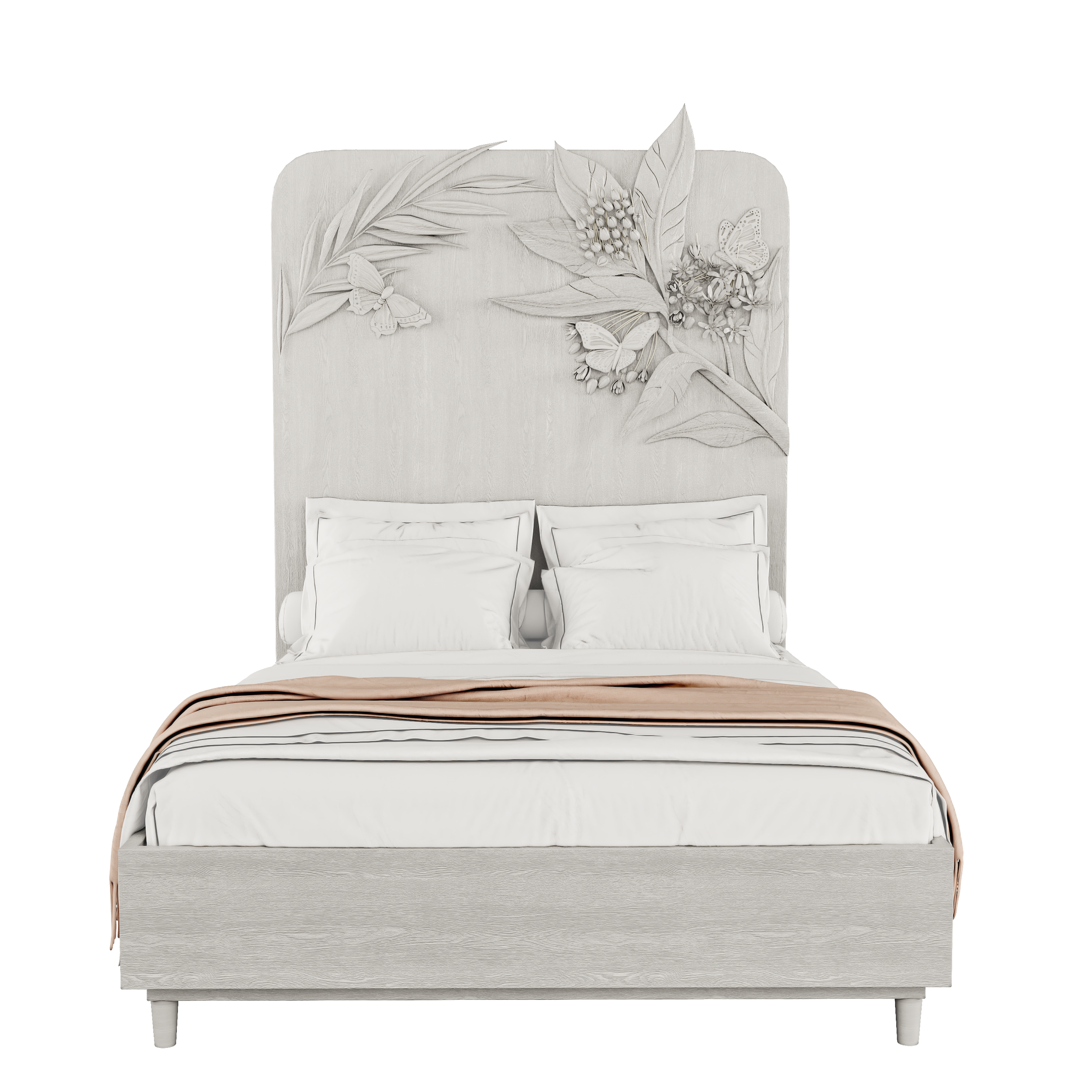
Butterfly Dreams Bed
In keeping with the butterfly theme, a bed styled with the ethereal beauty of butterflies can instill calm for serene, sweet dreams. Butterflies are prominent in biophilic design, elements of which are proven to have positive effects on mental and physical health.
The butterfly dreams bed is hand-carved from sustainable hardwoods and comes in either non-VOC paint or stain options for finishes.
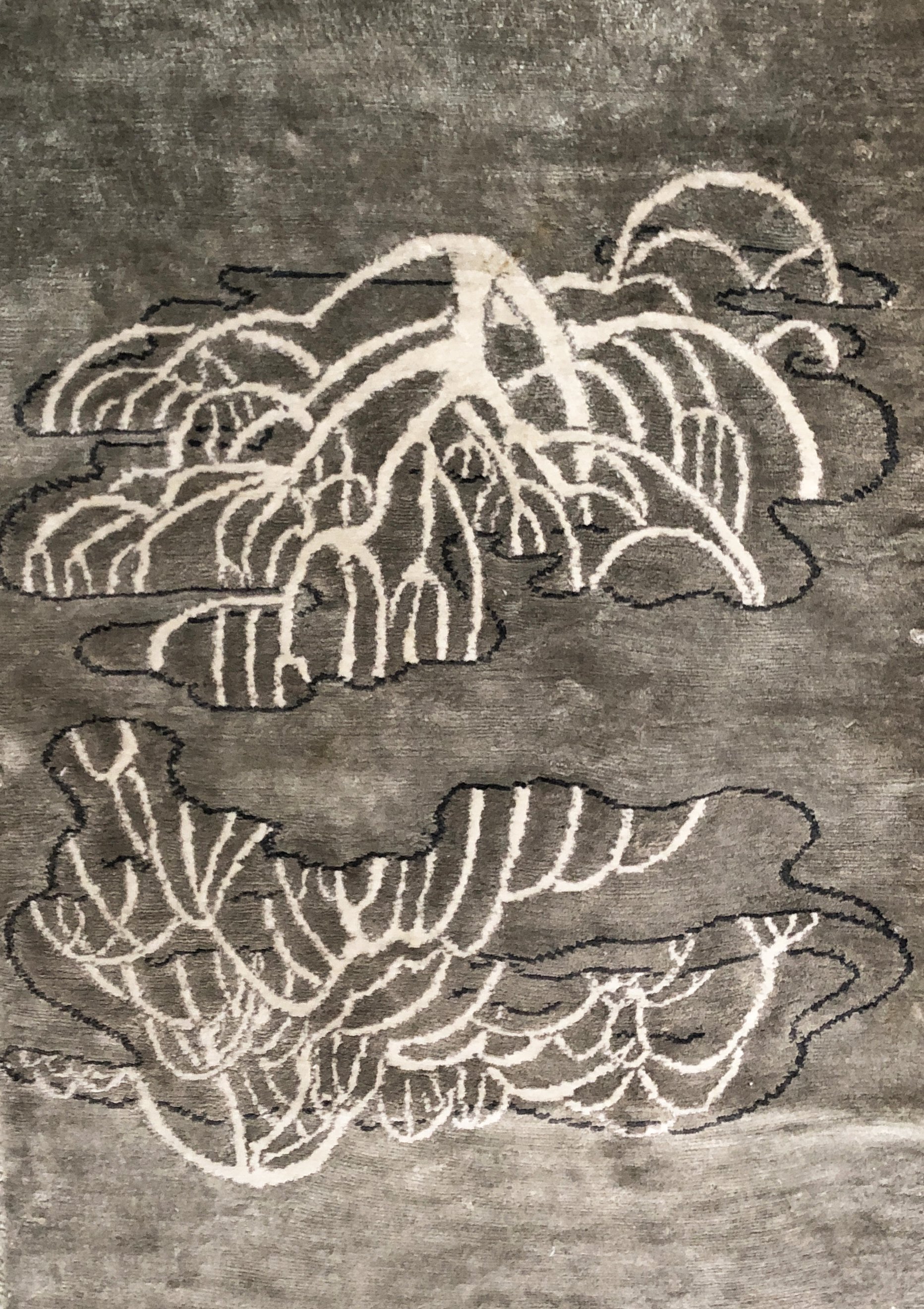
Mangrove Rug
For the environmentalist on your list, consider a stylish and comfortable mangrove rug. In addition to being naturally elegant, mangroves are known for their quiet resilience and adaptability to various environments, which only enhances their beauty. They endure harsh conditions and contribute protectively to local ecosystems. How inspiring to have these qualities underfoot on a rug, an energizing foundation for each day?
Each rug is handmade to order, from vegan bamboo silk or New Zealand wool, with a percentage of each sale donated to the Mangrove Action Project.

Cholla Tote
This tote features a pen-and-ink illustration inspired by the cholla cactus, which grows primarily in desert regions in the Southwest United States and Northern Mexico. The cholla’s barbed spines are sculptural and play an important role in the beauty of the desert landscape, and in supporting the local ecosystems.
This in-demand tote is limited edition and has a limited supply, so order soon. With fabric straps and an open main compartment, it’s useful as a sustainable, multi-purpose bag for errands. Also, its design and style are well-suited for people with specific requirements, such as interior designers to carry samples, or for artists and hobbyists to carry supplies.

Gingko Light Fixture
This indoor/outdoor light fixture has delicate cast bronze details, replicating the fans of gingko leaves. The ginkgo has long historical roots, dating back millions of years. Its resilience is substantial, adapting throughout various climate events over the centuries. It’s a symbol of strength and healing, and can help deliver the warmth of nature-inspired design.
The light fixture is available in various sizes, has a milk white globe, and has dimmable LED lighting.

Matilija Poppy Textiles
Gardening with plants native to California can yield uniquely beautiful landscapes. The Matilija poppy is a dramatic, eye-catching wildflower local to California, known for its lacy petals and fluffy, colorful centers.
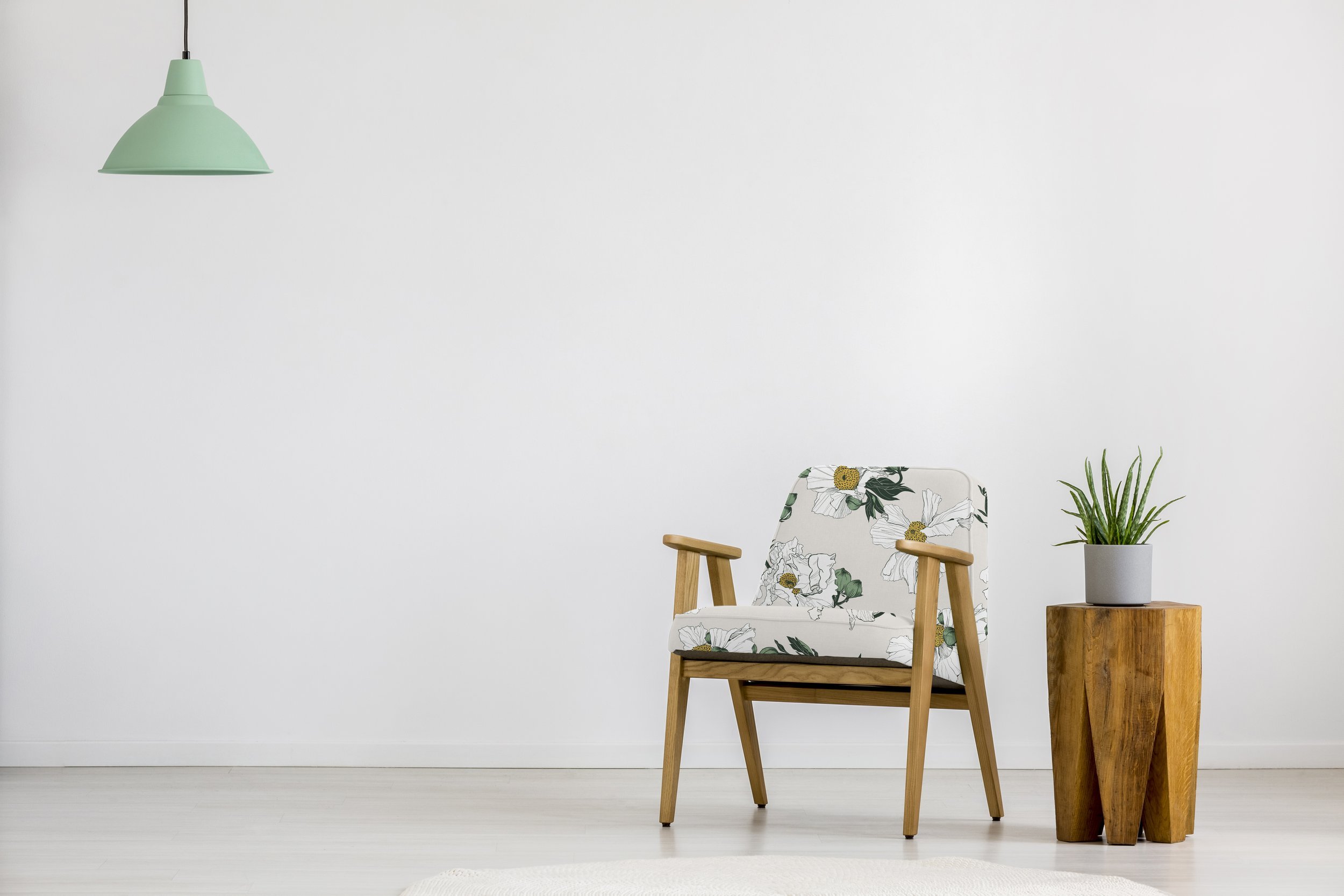
These hand-drawn textiles, inspired by Matilija poppy superblooms, are printed with eco-friendly, water-based inks on fine Belgian linen. These textiles can be customized into a variety of goods, from drapery to bed linens, and more, perfect for gardening enthusiasts, to infuse the quiet beauty of the Matilija poppy into their homes.
Kale Tree + Healthy Home Decor

Butterfly Dreams Bed by Kale Tree.
Inspired by nature, fueled by community, and made with love. At Kale Tree, we aim to uplift the global community through nature-inspired home design. The source of our namesake is a beautiful, dark green shrub with kale-like curly leaves, known as Polyscias guilfoylei. This kale-like tree is resilient and hardy despite its delicate appearance. Like many of us, it takes time to grow but needs little coddling to succeed. The beauty, versatility, and self-sufficiency of this leafy evergreen aptly represents Kale Tree and our mission to promote health and well-being by strengthening our connection to nature, inside and out.

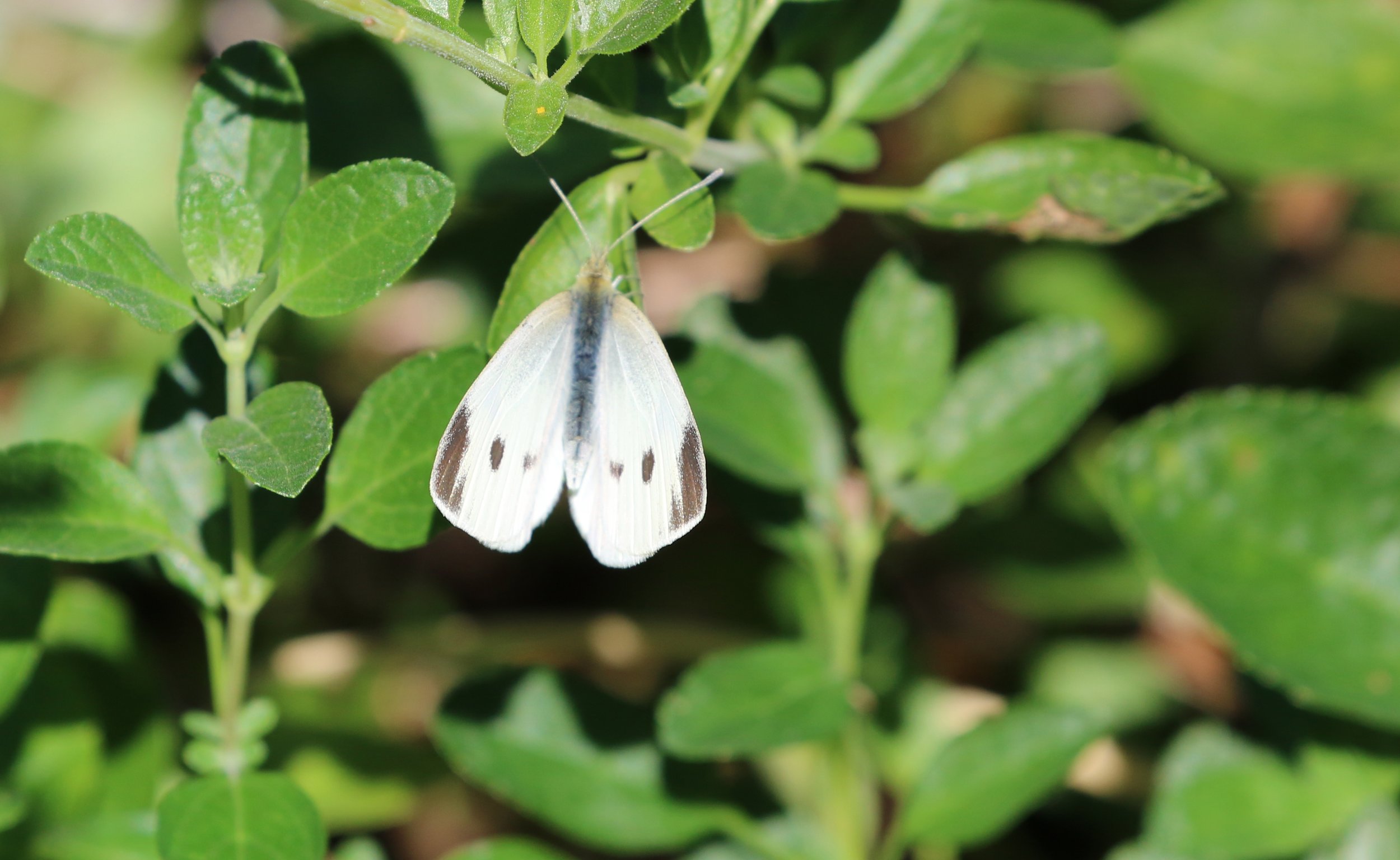
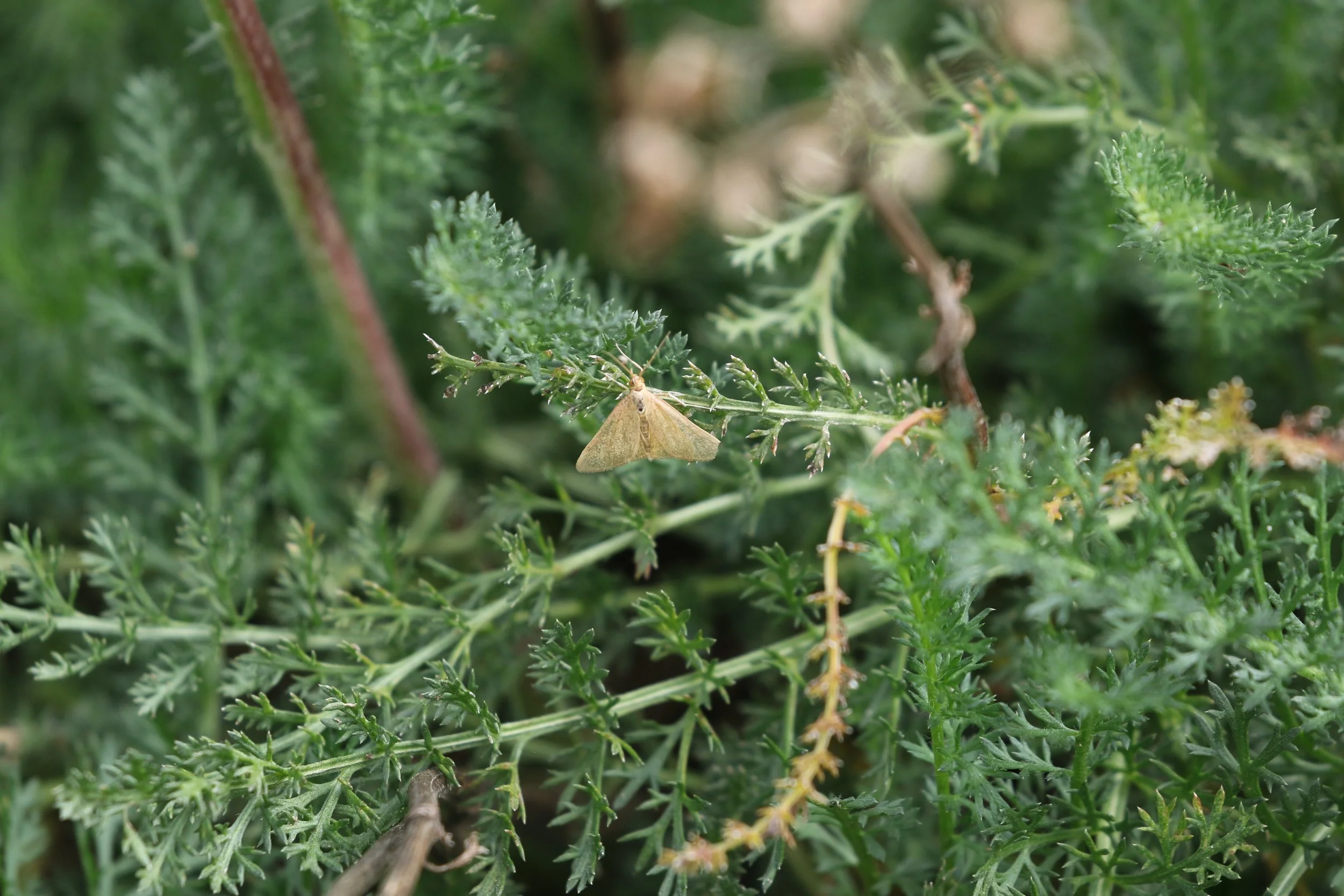
Megalograpga moth. Photo by Sarah Barnard.
Moth Textile by Kale Tree.
Based in Southern California, we believe that our home should reflect what calms and inspires us. We find endless inspiration from the surrounding mountains, beaches, and desert landscapes. Whether it's the California native Matilija Poppy or a coastal Mangrove Tree, we extend our love of nature through thoughtful biophilic home design.

Matilija Poppy. Photo by Sarah Barnard.
Kale Tree is comprised of nature-loving creatives who value community and personal wellness with a shared commitment to conscious, sustainable home design. Founded by WELL- and LEED-accredited interior designer and naturalist Sarah Barnard, Kale Tree aspires to improve accessibility to ethically produced, eco-friendly home decor while making the conscious effort to promote wellness through socially and environmentally responsible home design.
Matilija Poppy Textile - Natural by Kale Tree.
We believe that individual wellness is directly connected to nature. Biophilic home decor has the potential to evoke similar mood-boosting effects to spending time outdoors. Our studio understands the importance of uplifting the well-being of each other and places equal value on lasting environmental health. Working from a cosmopolitical standpoint, we aim to uplift our community through closeness to nature by designing our products with conscious intent, considering the environment at every stage of our production process.

Mallow Textile in Dusty Dawn by Kale Tree.
Natural and Organic Fibers
Natural fibers provide a unique tactile experience and biodegrade more naturally over time. Kale Tree offers products made from natural and organic materials, including textiles made from Belgian Linen, New Zealand Wool rugs, and furniture made from sustainable hardwoods.

Mangrove Rug by Kale Tree.
Vegan Choices
As naturalists and animal lovers, we understand the importance of choosing products that align with your values. All of our area rugs are available in Bamboo Silk, a vegan fiber with a soft sheen derived from bamboo plants. Our textiles and wallpapers are made from cruelty-free plant-derived materials.

Mallow Wallcovering in Midnight Forest by Kale Tree.
FSC certified Hardwoods
Our furniture is handcrafted in Los Angeles from Forest Stewardship Council (FSC) hardwoods. FSC certification ensures that the hardwoods we use are sourced in an environmentally responsible manner to help support sustainable forest management.
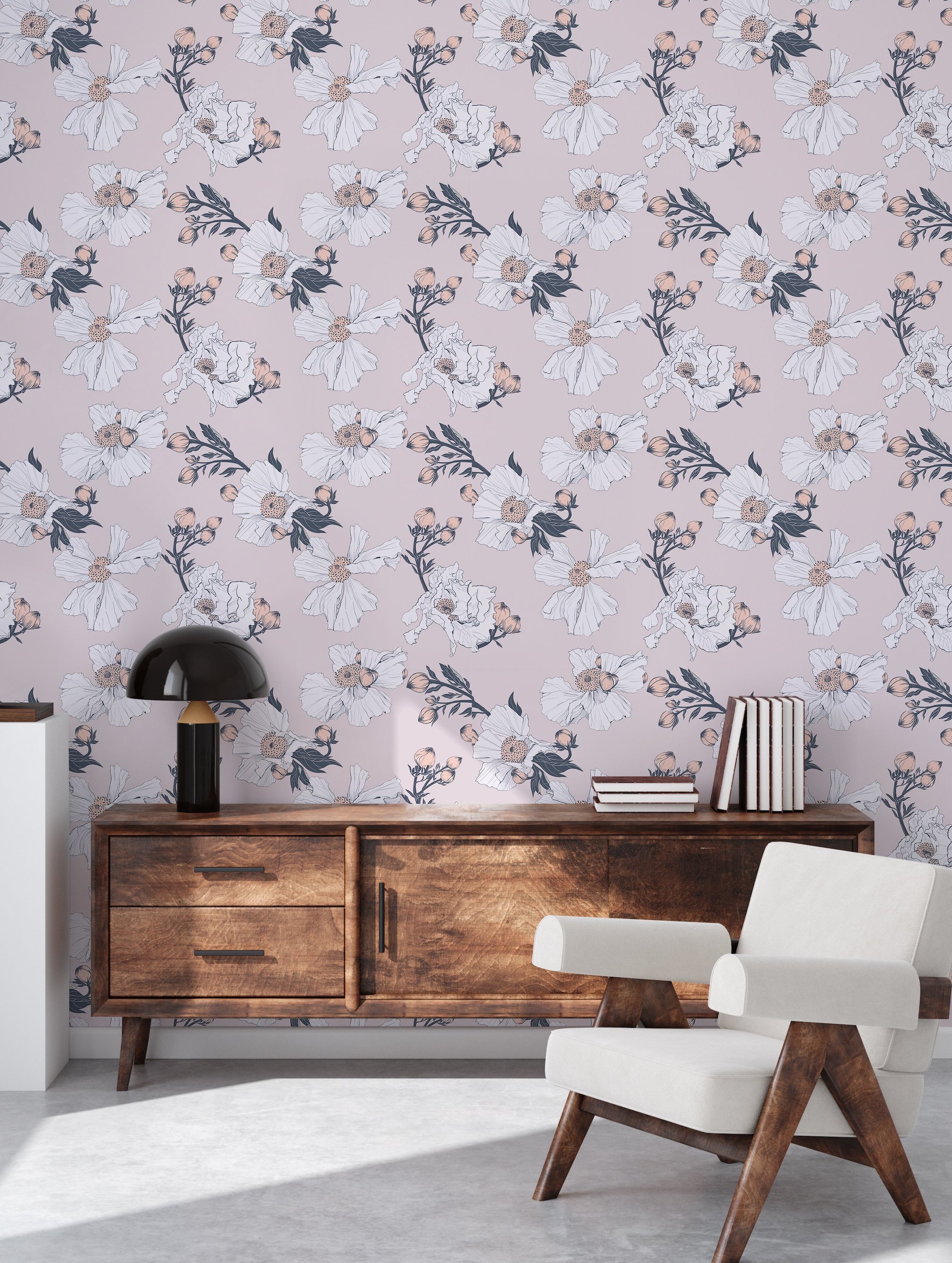
Matilija Poppy Wallpaper - Putty by Kale Tree.
Greenguard Gold Certified
We believe that a healthy home is a happy home. Kale Tree's PVC-free, low-VOC wallcoverings help maintain healthy indoor air quality and are Greenguard Gold Certified.

California native Lupine and Salvia. Photo by Sarah Barnard.
Kale tree works closely with a team of like-minded artists, designers, and artisans from diverse backgrounds to create healthful, ethically produced goods inspired by the intersection of art, design, and nature. All goods are made with love and designed with the intent to bring beauty, health, and joy to you and your home.

Style & Sustainability: Eco-Friendly Decor Tips to Upgrade Your Space
Kale Tree Shop was recently featured in a Redfin article outlining how to make your home decor more eco-friendly. Take a look at the tips below!
Kale Tree was recently featured in a Redfin article outlining how to make your home decor more eco-friendly. Take a look at the tips below!
Being more conscious of your decorating decisions doesn’t have to be difficult. In reality, eco-friendly can suit any type of budget and design style. But if you’re not sure where to start, we thought who better to consult with questions about where and what to buy (or not to buy) when blending style and sustainability than the experts themselves?
Whether you’re looking to freshen up your chic Toronto, ON, apartment, or exploring ideas to upgrade your Miami, FL, home, we’ve got you covered. Read on for eco-friendly decor tips to give your pad a green makeover.

Opt for quality over quantity
1) As Vivienne Westwood put it, ‘buy less, choose well, make it last.’ Less than 10% of plastic gets recycled, and we’re now each ingesting a credit cards’ worth of microplastics a week. While it may feel fun, skip that cheap tchotchke or seasonal décor. Ask yourself if it’s an item you’d be happy to pass to the next generation—not make it their problem to deal with in a landfill. -Sustainable Travel & Living
Buy pre-loved
2) The best way to reduce your carbon footprint (and minimize waste) when decorating is to feed the circular economy and buy pre-loved furniture. Check out Facebook Marketplace, Kijiji, and Kaiyo, which all have a vast selection of furniture brands and items for every price point. Bonus points if you sell your existing furniture rather than send it to the landfill (where it otherwise releases uber-potent methane for years). -Goodside
3) If you're looking for a stylish and sustainable way to decorate, consider finding your next piece of furniture from a resale marketplace. The gently used furniture marketplace is full of unique vintage items and prior-loved pieces from recognized home furnishing brands, all at a fraction of the original cost. Items made from wood, glass, metal, leather, or marble age beautifully (and move quickly on AptDeco) — and the lived-in look is what makes a home go from cool to cozy. -AptDeco
4) The best way to sustainably style your home is to choose used furniture over buying new. Frequenting thrift stores like Habitat for Humanity, ReStore, or online shopping forums like Facebook Marketplace and community freecycle pages are eco-friendly and cost-effective. And if you don't love the way a piece looks - paint it with chalk paint from a planet-conscious company and make it your own. -The Restored Dogwood
Choose your household products carefully
5) When decorating a home, indoor air quality is essential to having a healthy, eco-friendly, and sustainable environment. You might not see the air, but it is as important as artwork and furnishings. Some things you can do are the following: add plants, open windows, buy an air purifier, take your shoes off at the door, air our dry cleaning and change out your cleaning supplies for non-toxic ones. -The Green Living Gurus

Learn proper waste disposal methods
6) Properly dispose of hazardous wastes: batteries, paint and chemicals, lightbulbs, and electronics. Recycling is one of the top and most cost-effective ways to reduce waste at home and the workplace. Be sure to have a hazardous waste recycling policy that stretches beyond simply paper and plastics to ensure the greatest amount of waste is diverted from landfills. -Green Business Bureau
7) One of the most important parts of completing DIY projects is knowing how to properly store and dispose of chemical products or use alternatives, such as coffee or tea, instead of stain. Proper use of these chemicals prevents fire hazards and water contamination. You can Google “hazardous waste collection” with your city and state to find more information about local disposal centers. -The Sociable Home
Go vintage
8) After determining a new layout, consider where you can replace ‘fresh-from-the-factory’ with repurposed materials or vintage items. Whether it’s a floor made of reclaimed old-growth wood, recycled marble for a vanity top, or a rewired antique light fixture for the foyer, you are creating a special interior while keeping a piece of the planet intact by eliminating the inevitable damage caused by extracting virgin materials. -Living Being Design
9) Add character to your home by purchasing a piece of refinished vintage furniture. This gives an old piece a new life and keeps it out of the landfill. You can also get tips from a local (or online) professional so that you can learn how to refinish something yourself. -Callista Faye Creative
Upcycle items you already own
10) Use what you already own - think candle jars for planters, mason jars for organizing office supplies or kids' art supplies, or repurposed glass jars for bulk goods. I also enjoy labeling my pantry items with an embossing label maker to add a clean, unified look. You can also find sustainable products that reflect your personal style. For example, I have a sleek graphite compost bin and indigo shibori unpaper towels. -Sustainable For Good
Reclaim second-hand furniture
11) If price is a design factor, older furniture is historically well-constructed and can be repurposed, refinished, reupholstered, and reimagined in a way that suits your taste. This keeps furniture out of landfills and reduces the massive carbon footprint generated by today’s various modes of transportation. -Todd Howard Ezrin, ASID, LEED AP, Principal, TOBE DesignGroup

Say yes to natural, recyclable, or sustainable materials
12) When decorating your home in the most eco-friendly way, you can always go with the seasons and see what mother nature has to offer. Buy a big basket full of flowers, fresh fruits, and vegetables from your organic farmers market and arrange it on your dining table or somewhere in the living room. Imagine decorating with tulips in spring, with a huge bowl of fruits in summer, a plate full of pumpkins and greens in Autumn, or some chestnuts and lovely smelling oranges with cloves in Winter as your decoration. All vegan, compostable, and zero waste. -Wegozero
13) Steel and stainless-steel home interiors designed and manufactured with present-day technology fit the bill perfectly on sustainability and style. Modern technology has made many options available to us, and both have better standards of hygiene, as well as water, fire, and pest resistance. For too long we have been consuming from nature more than it can replenish. Our wood consumption for our home interiors costs us hectares of forest every second and is no longer sustainable. -Bethliving
14) Select natural fabrics when possible. Beyond offering comfort and beauty, cotton, linen, and wool fabrics often use fewer (or no) chemicals in production than synthetic options and biodegrade more naturally over time. Bamboo silk offers a luxurious vegan alternative that is excellent for plush, eco-friendly rugs. Natural fabrics may also provide a tactile experience that inspires a connection to nature, contributing to biophilic home design. -Kale Tree
15) Handmade and ethically sourced wool felt decorations and home accents are wonderful and affordable ways to brighten your home while doing good for the planet and the artisans who create them. Plus, they are reusable and compostable at the end of their life. -Friendsheep

Incorporate greenery into your space
16) You can create an eco-friendly and uplifting space by simply bringing nature back into the home or workspace. House plants or nature-inspired imagery that inspires you offers a moment to reconnect with nature throughout your day. Being immersed in nature is proven to have a positive effect on health and well-being and positively impacts creativity, focus, and productivity. -Claire Victoria Bishop from Rewild the Frame
17) Skip the plastic decorations - have houseplants instead. Not only do they look great, but they also purify the air of your home. Some hardware stores and plant stores have free used pots you can take home to save money and avoid buying new items. -Copy That Co
Pick versatile decor and furnishings
18) When it comes to decorating, choose functional pieces that serve a purpose rather than items used purely for decoration. Some examples of functional pieces are candles, books, mason jars (which can be used as vases), and of course, live plants, which can help purify the air. -Eco Girl Shop
Originally published by Redfin