Matilija Poppies: A Fried Egg(less) Dream
There is really nothing on flower earth quite like the Matilija Poppy. While, yes, there are other wonderful poppies that are full of ruffle-y delight—- this one is no typical clump of California poppies.

There is really nothing on flower earth quite like the Matilija Poppy. While, yes, there are other wonderful poppies that are full of ruffle-y delight—- this one is no typical clump of California poppies. When well established, this glory of blooms and buds can grow to 8 feet tall with endless flowers, each nearly 5 inches across!

I’ve always admired this plant on walks around Los Angeles neighborhoods, seeing it wild and free taking over suburban gardens. I’ve planted it in my garden primarily on sunny slopes and found that perhaps because of Southern California’s incredible summer heat, it does surprisingly well in areas partly shaded by trees.

I purchased my 4-inch and 1-gallon starter plants from La Crescenta Nursery in the Oakmont neighborhood of Glendale, Theodore Payne Foundation in Sun Valley and Hahamonga Native Plant nursery in Pasadena, CA.

The Matilija Poppy or Romneya coulteri is known for stabilizing slopes because of its creeping root stalks or rhizomes. It’s also known for being challenging to remove so consider your planting location carefully.

Initially, I incorrectly assumed that Matilija was a Spanish word, resulting in a long-time mispronunciation!

In fact, Matilija comes from the word "Mat'ilha", a Chumash village once located in what is now referred to as Ventura and Santa Barbara County. Currently in development is the Santa Ynez Chumash Museum and Cultural Center “being built to celebrate Chumash heritage, share the tribe’s history, and educate visitors about the rich culture of the first people of the area. The Santa Ynez Chumash Museum and Cultural Center will also advance the legacy of the Chumash environmental stewardship and keep ancient sustainability traditions alive by seeking to become one of the first LEED-certified tribal museums in the United States.”
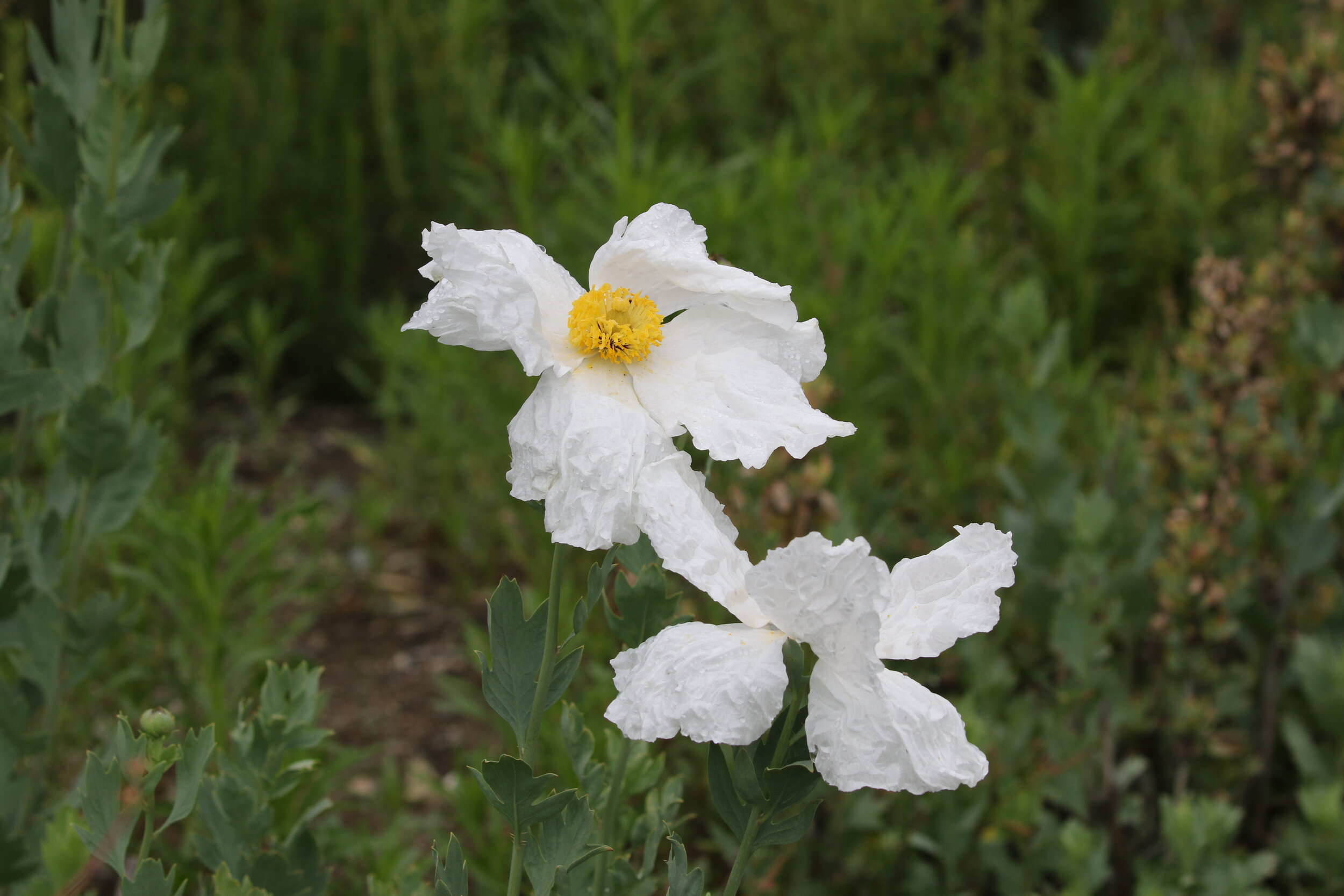
I enjoy photographing the giant white flowers and golden pom-pom centers almost as much as I enjoy growing them.

They shape shift through the season, their distinctive silver grey leaves remaining long after the flowers have gone.

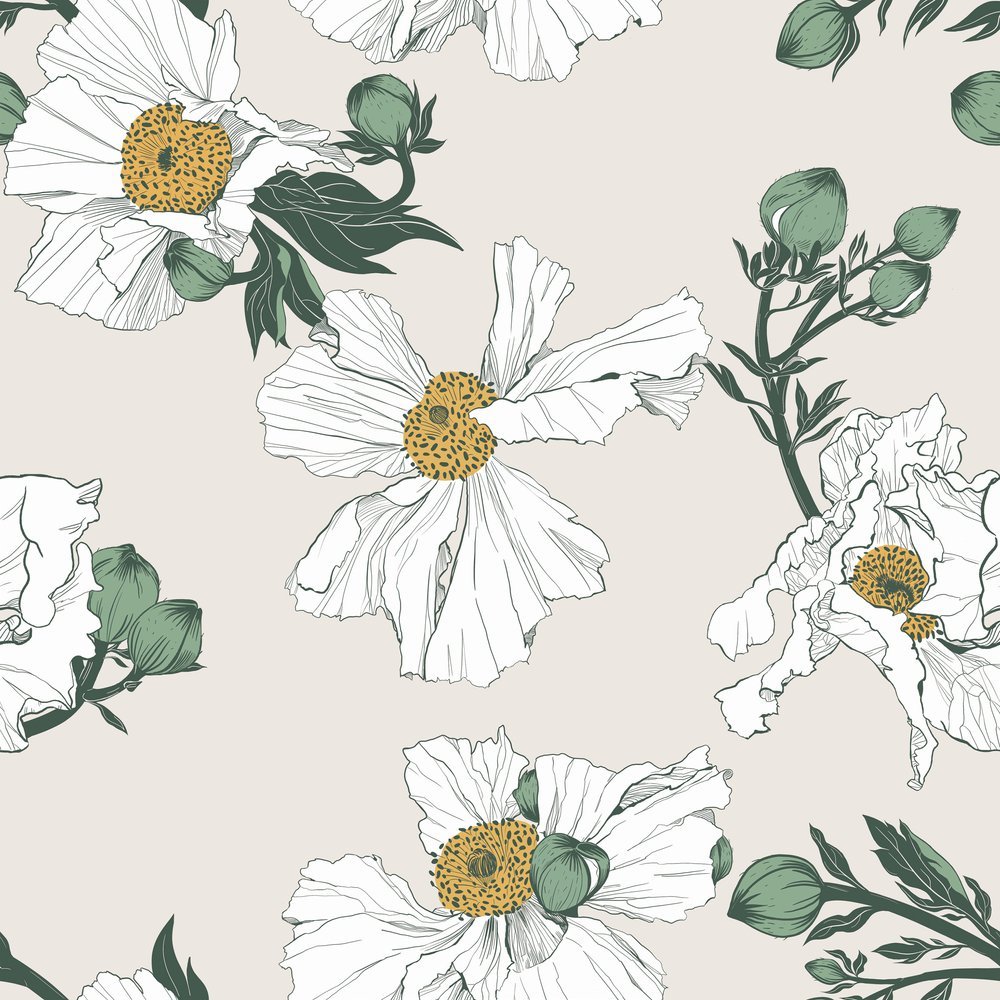
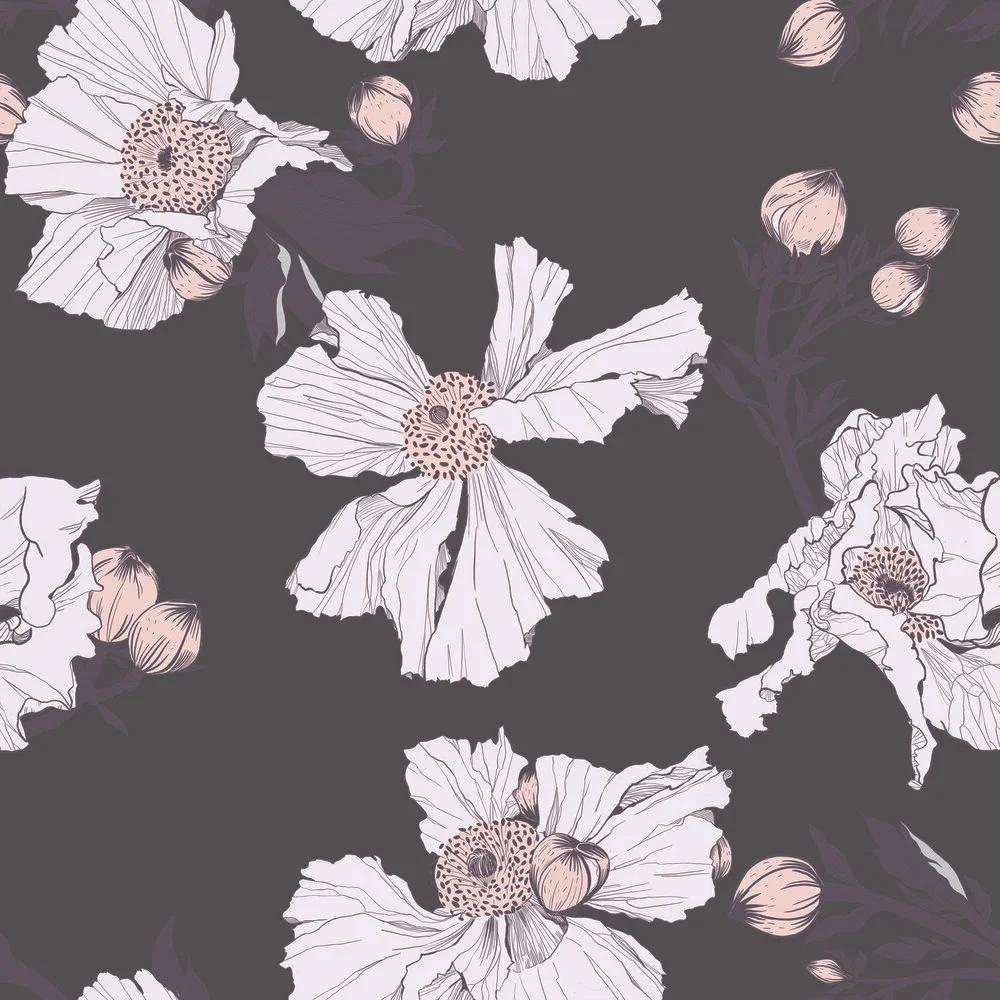
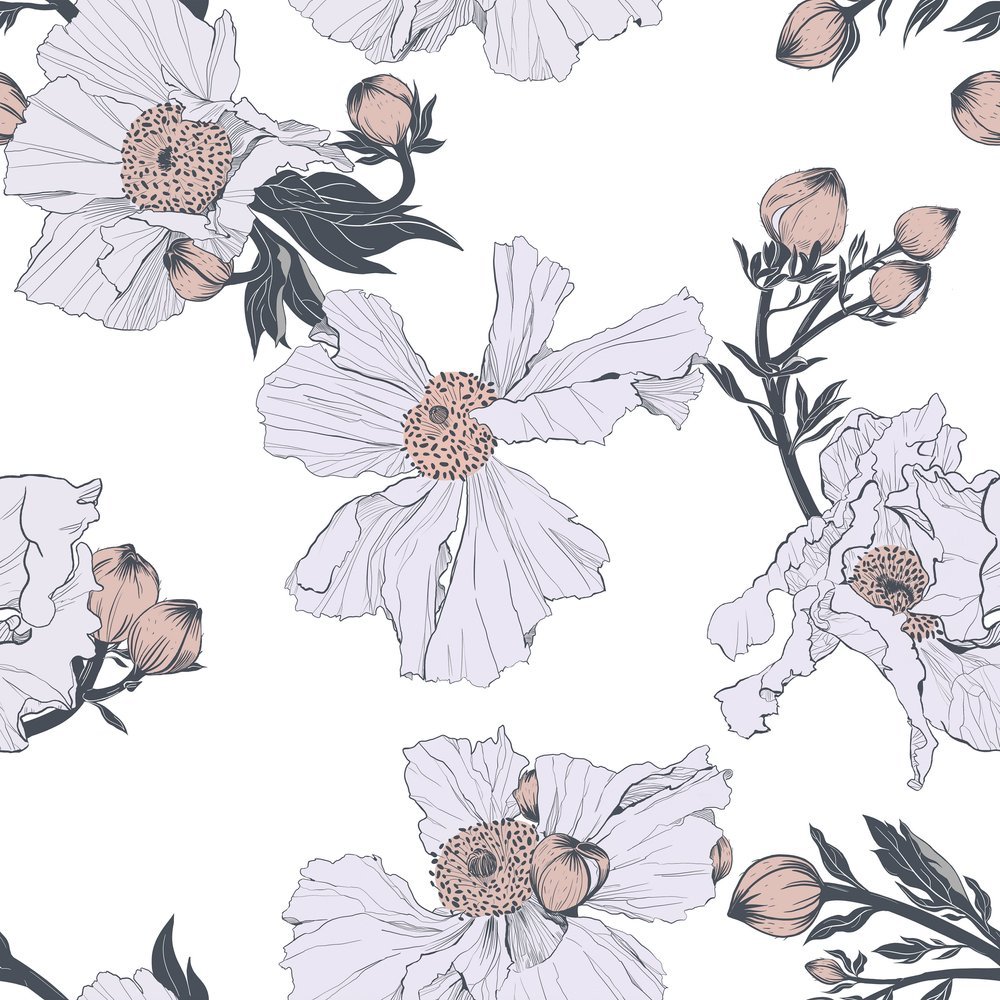
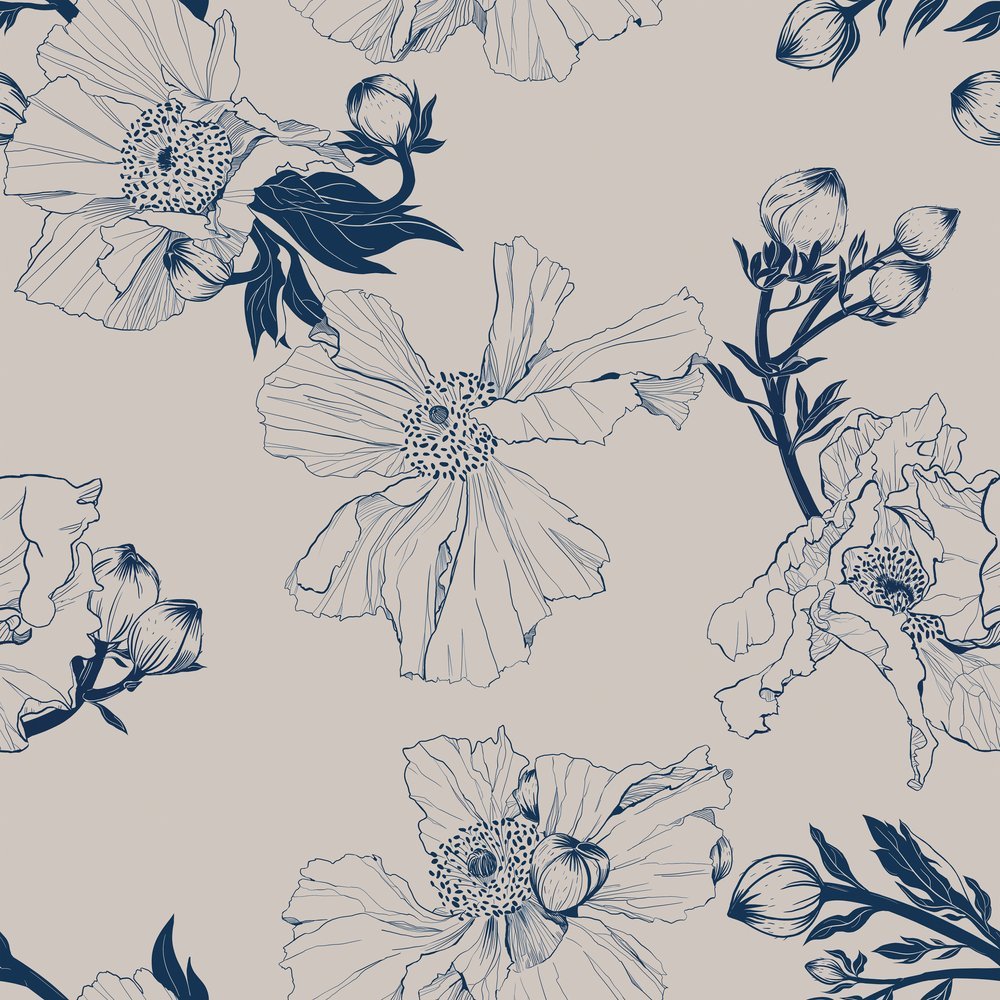
Our team has been developing a special collection of textiles, wallpapers and area rugs inspired by the beauty of the Matilija Poppy. Soon to be released in five colorways; natural, midnight, petal, putty and bluestone.

Sarah Barnard is a WELL and LEED accredited designer and creator of environments that support mental, physical and emotional wellbeing. She creates highly personalized, restorative spaces that are deeply connected to art and the preservation of the environment. An advocate for consciousness, inclusivity, and compassion in the creative process, Sarah's work has been recognized by Architectural Digest, Elle Décor, Real Simple, HGTV and many other publications. In 2017 Sarah was recognized as a "Ones to Watch" Scholar by the American Society of Interior Designers (ASID).

Nature at Home: Botanical Textiles from Tradescant & Son Now Available at Kale Tree Shop
Sarah Barnard is now the exclusive California representative for Tradescant & Son through Kale Tree Shop's online marketplace. The line features a wide range of nature-inspired luxury eco fabrics and wallpapers made with a sustainability-minded production process.

Sarah Barnard is now the exclusive California representative for Tradescant & Son through Kale Tree Shop's online marketplace. The line features a wide range of nature-inspired luxury eco fabrics and wallpapers made with a sustainability-minded production process.
The foundation of Sarah Barnard's practice is a belief that interior environments should contribute to wellbeing, both emotionally and globally. Barnard's work focuses on sustainability, emphasizing the importance of nature, both through conscious sourcing and as the inspiration for many of her designs.
The designer's use of natural themes and environmentally conscious materials spoke to the sensibilities and priorities of Tradescant & Son, who recognized Barnard as an ideal representative for their line. Tradescant & Son director Amy Hardman says, "Our 100% linens and the relaxed yet stylish look to our designs promote a holistic and contemporary feel. This, together with the fact that we share a commitment to ensuring sustainability wherever possible by using locally woven fabrics and printers, is a fantastic and exciting foundation for our relationship with Sarah Barnard Design."

The fabrics and wallpapers feature a wide variety of natural themes, from a graphic striped wallpaper composed of vibrant hummingbirds to linen textiles inspired by historic entomology archives from the University of Oxford Museum of Natural History, softly patterned with moths or beetles. With a range of bird fabrics, butterfly patterns, and botanical prints, the timeless patterns nod to historical, scientific illustrations, while their colors and design have a contemporary feel suitable for a diverse array of settings.
On the collaboration, Barnard noted that "As a birder, naturalist, and avid gardener, I was drawn to Tradescant & Son's collection of biophilic prints. Particularly when designing for metropolitan areas, I like to turn to natural motifs to stand in for nature that may not be as readily available for someone with a city view. The entire Tradescant & Son collection offers an impressive array of options when looking to bring the experience of wildlife into an interior."
These products are available for purchase through the website www.kaletree.com. Additional support is available for design and trade professionals by contacting shop@kaletree.com.

Sarah Barnard is a WELL and LEED accredited designer and creator of environments that support mental, physical and emotional wellbeing. She creates highly personalized, restorative spaces that are deeply connected to art and the preservation of the environment. An advocate for consciousness, inclusivity, and compassion in the creative process, Sarah's work has been recognized by Architectural Digest, Elle Décor, Real Simple, HGTV and many other publications. In 2017 Sarah was recognized as a "Ones to Watch" Scholar by the American Society of Interior Designers (ASID).
NATIONAL POLLINATOR WEEK
National Pollinator Week is an exciting new celebration of pollinators and their critical contribution to healthy ecosystems and food crops.
Proclaimed officially yesterday (June 21st, 2021) by the Secretary of the Interior, Pollinator week is an opportunity to encourage “…communities across the country to support the health of pollinators in North America….[and] to restore balance to nature”.
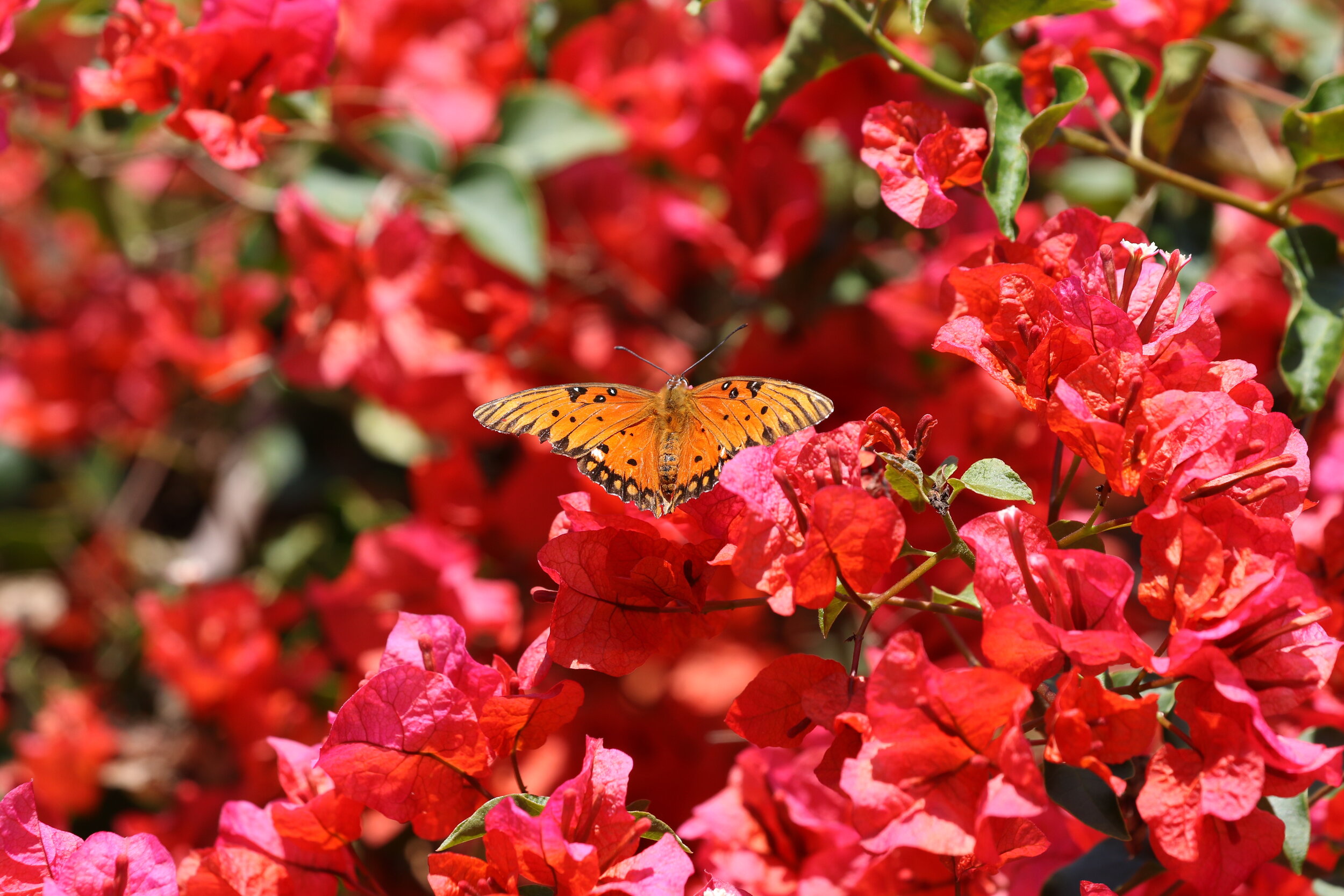
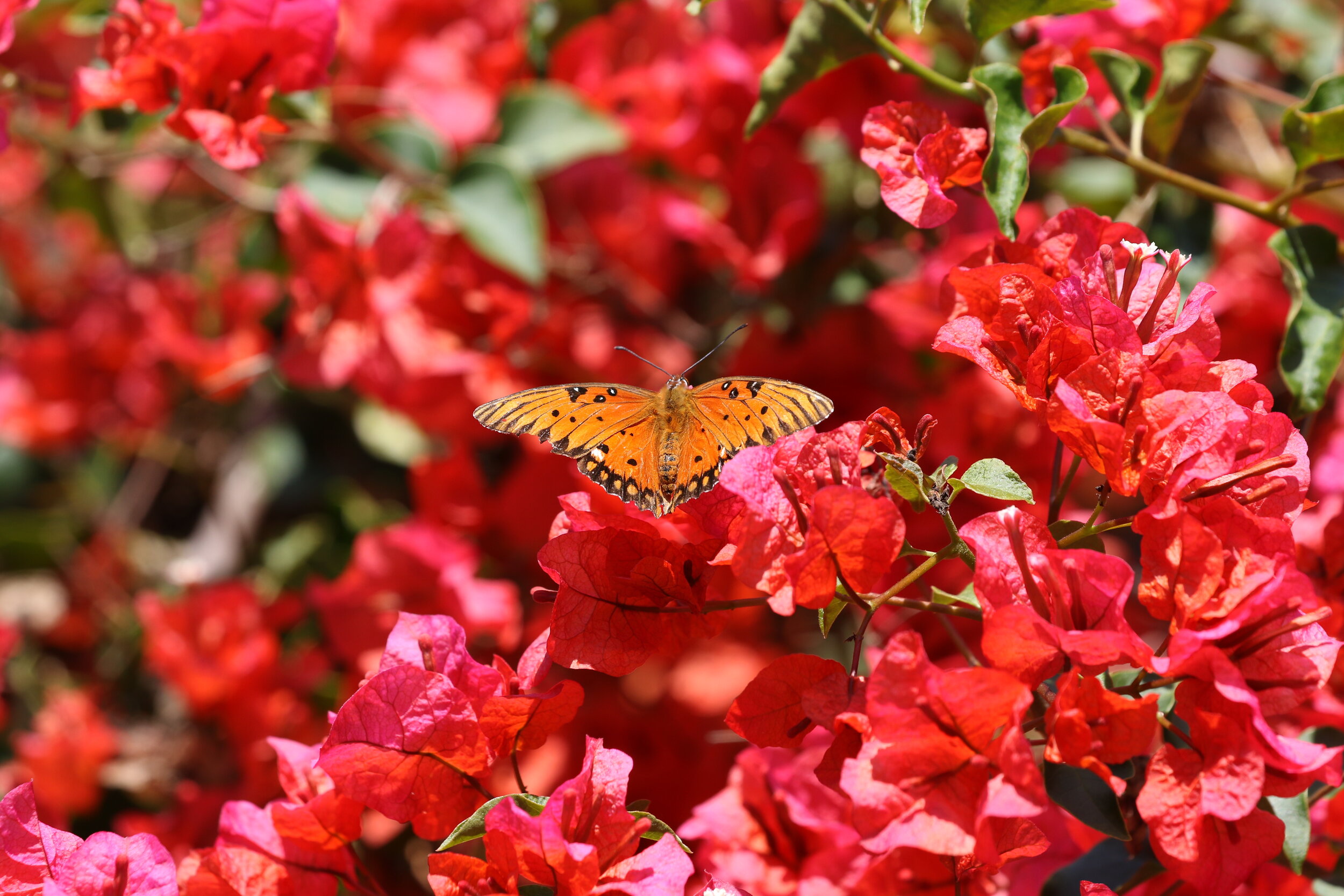
A Gulf Fritillary butterfly perches on the bougainvillea.
National Pollinator Week is an exciting new celebration of pollinators and their critical contribution to healthy ecosystems and food crops.
Proclaimed officially yesterday by the Secretary of the Interior, Pollinator week is an opportunity to encourage “…communities across the country to support the health of pollinators in North America….[and] to restore balance to nature”.
Bees, butterflies, moths, hummingbirds are all critical pollinators in California and beyond. Fascinatingly there are more varieties of hummingbirds on the west coast than on the east coast. The US Forest service explains that “in the eastern United States, there is only one kind of hummingbird, the ruby-throated hummingbird. In the southwestern states, birdwatchers can find a dozen species of hummingbirds”.
Despite their beauty and wonder, pollinators are in danger! The National Wildlife Federation offers 10 ways to help save pollinators. These suggestions include growing native plants, providing shelter (housing) for bees who don't make hives (there are a surprising amount of them!), and avoiding pesticides.
To celebrate our local pollinators, Sarah has shared some of her favorite photos of pollinators visiting her garden.

A female Carpenter bee enjoys the Senna in bloom.
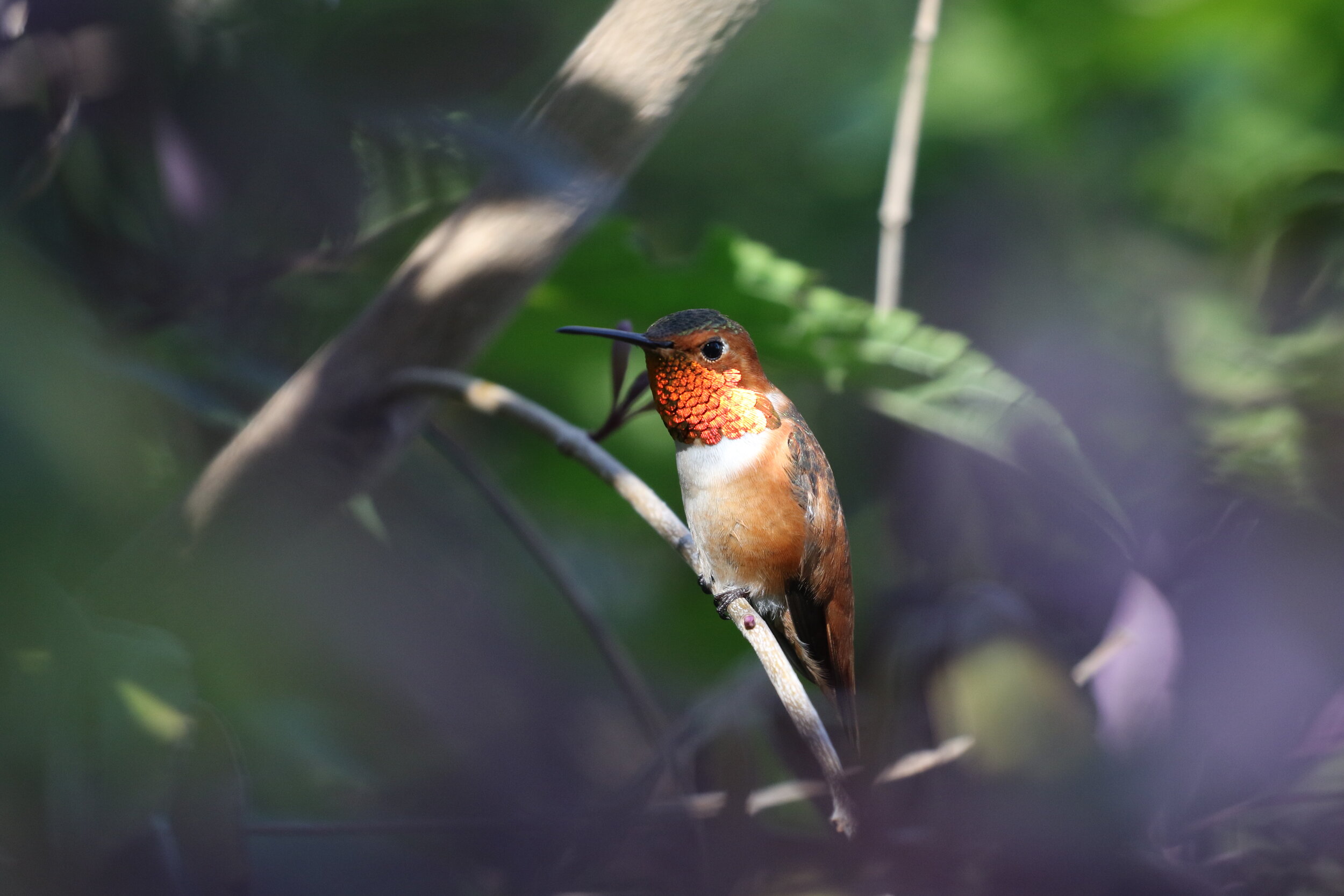
Allen’s humming bird can be challenging to distinguish from the Rufous hummingbird. We think this is an Allen’s because of its trailing green back feathers.
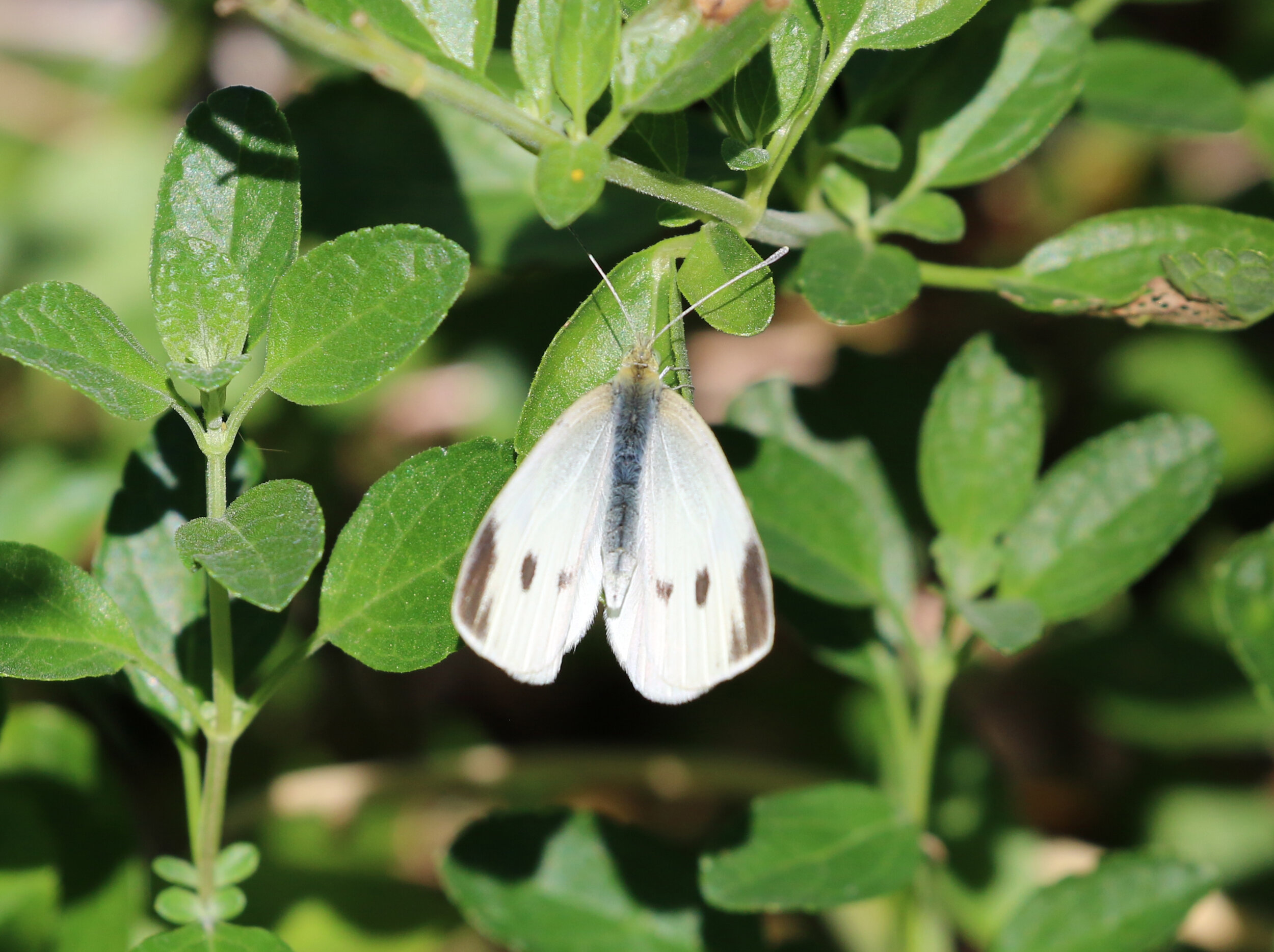
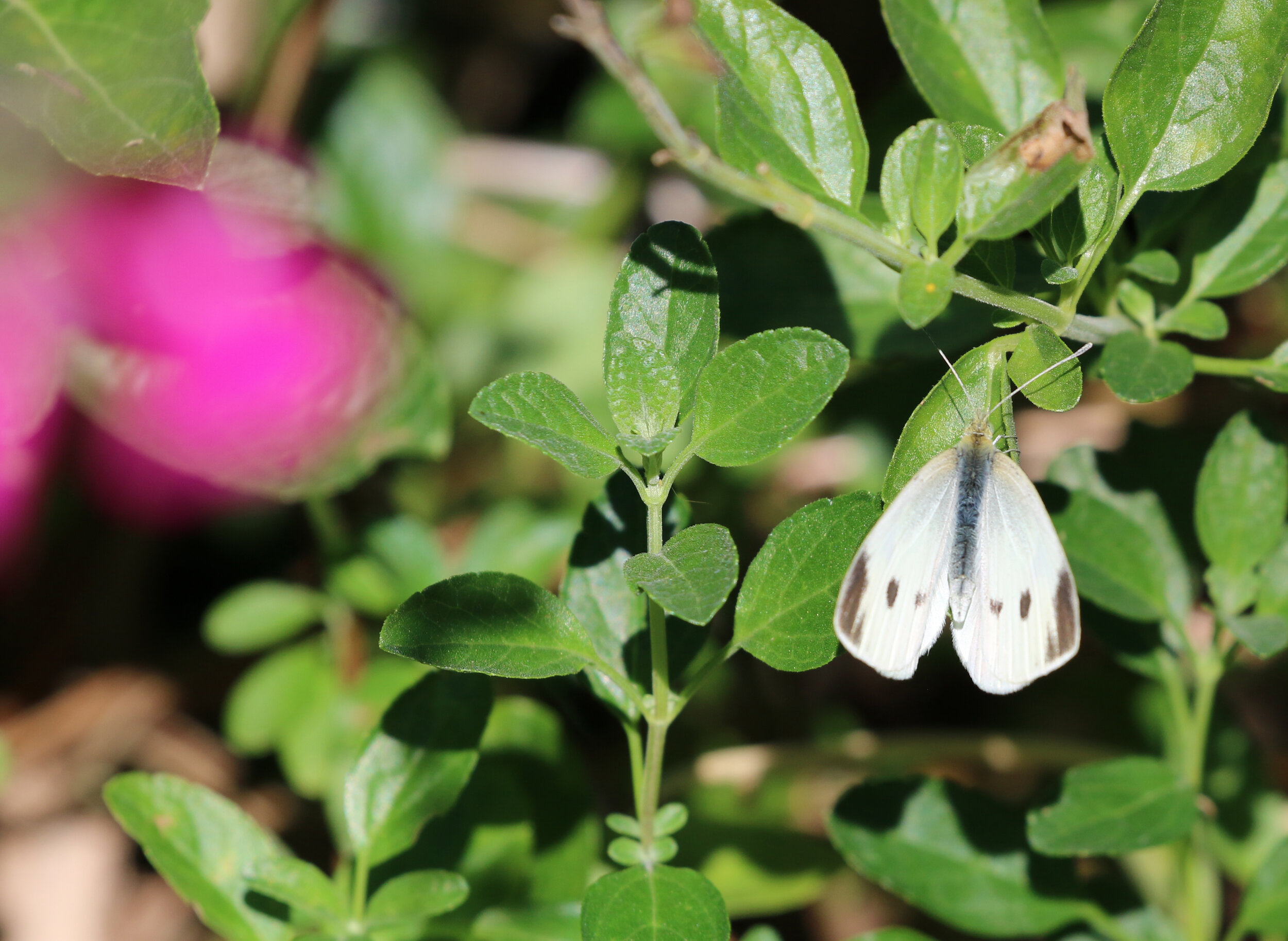
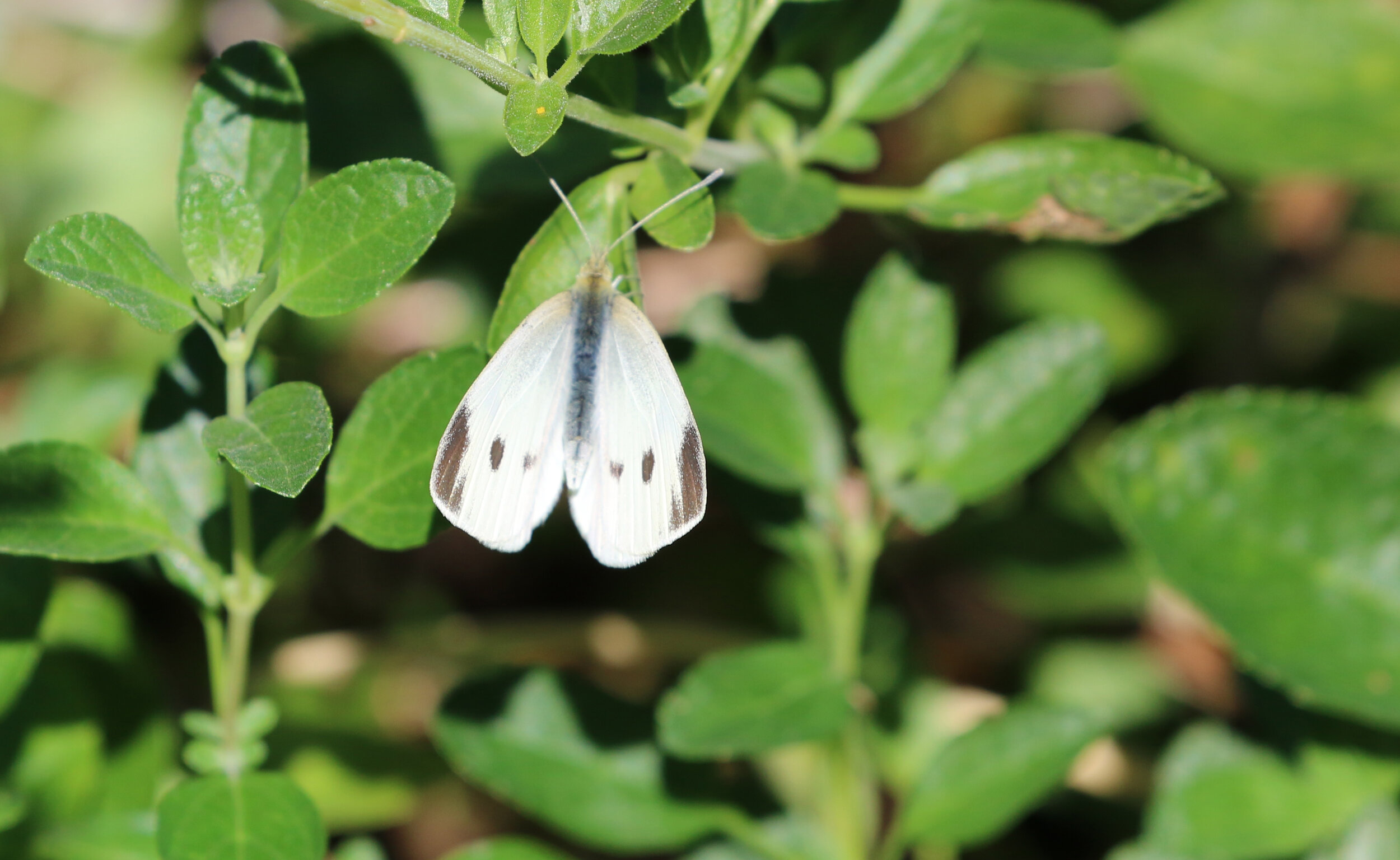
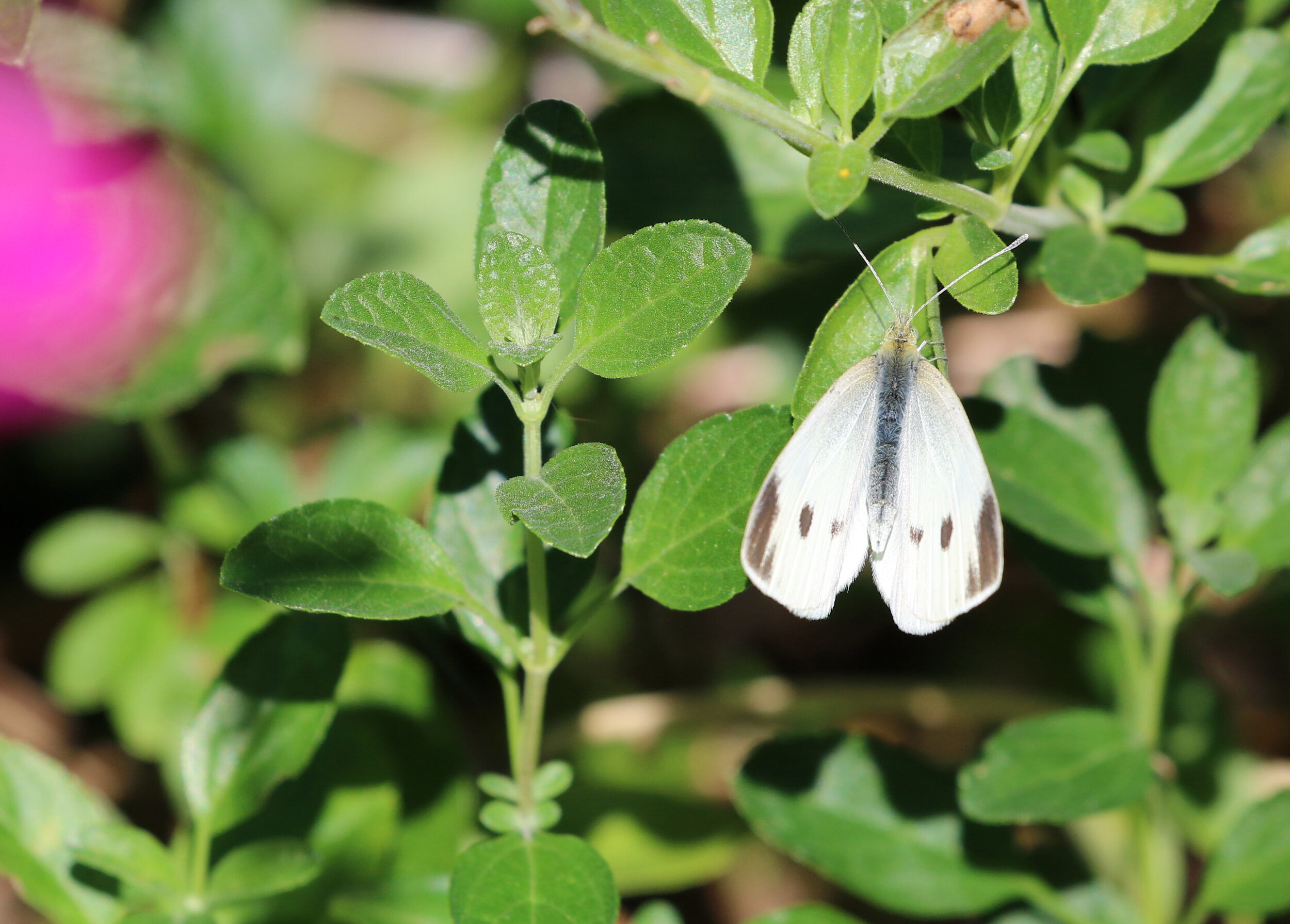

A bee collects pollen from a wildflower.

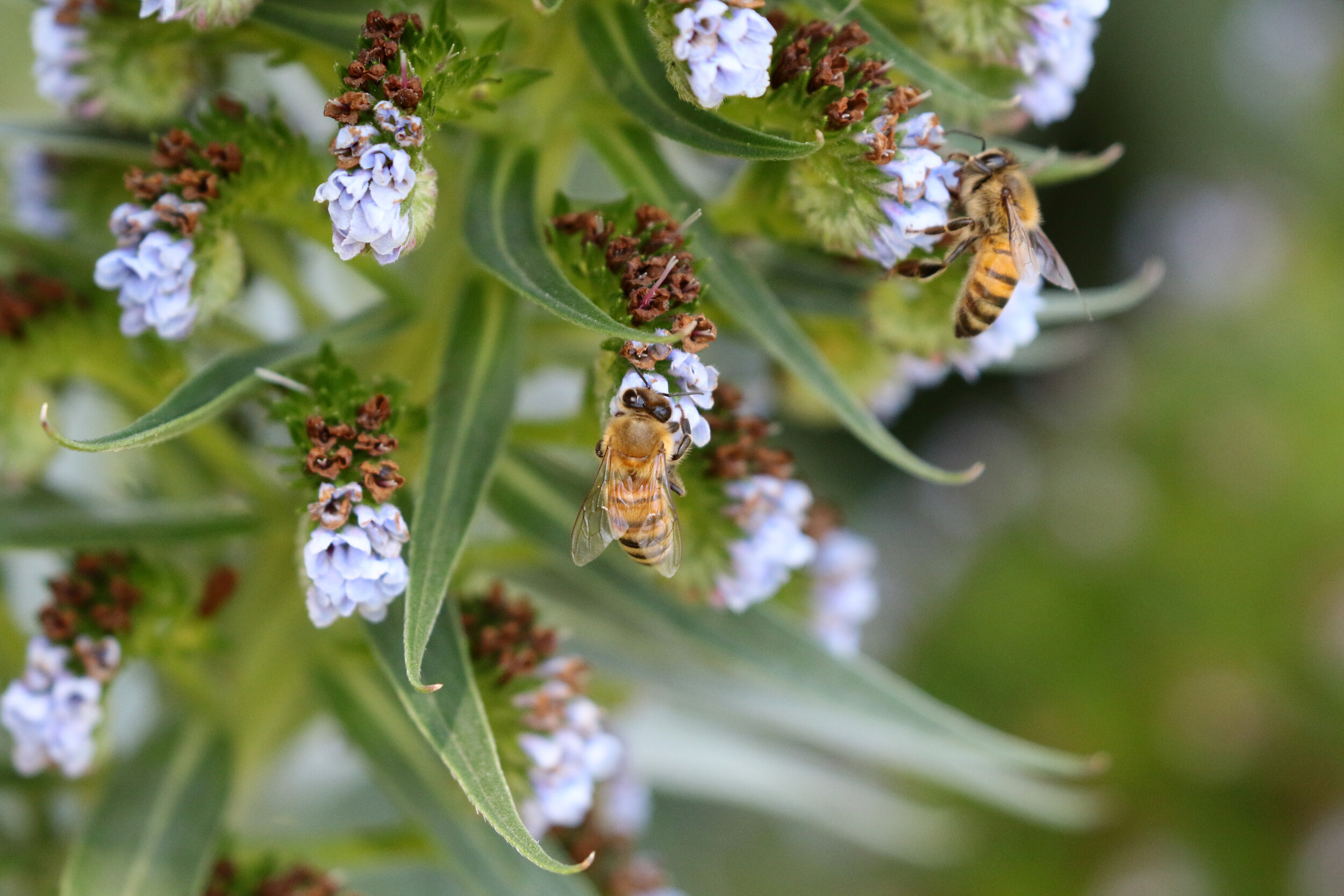
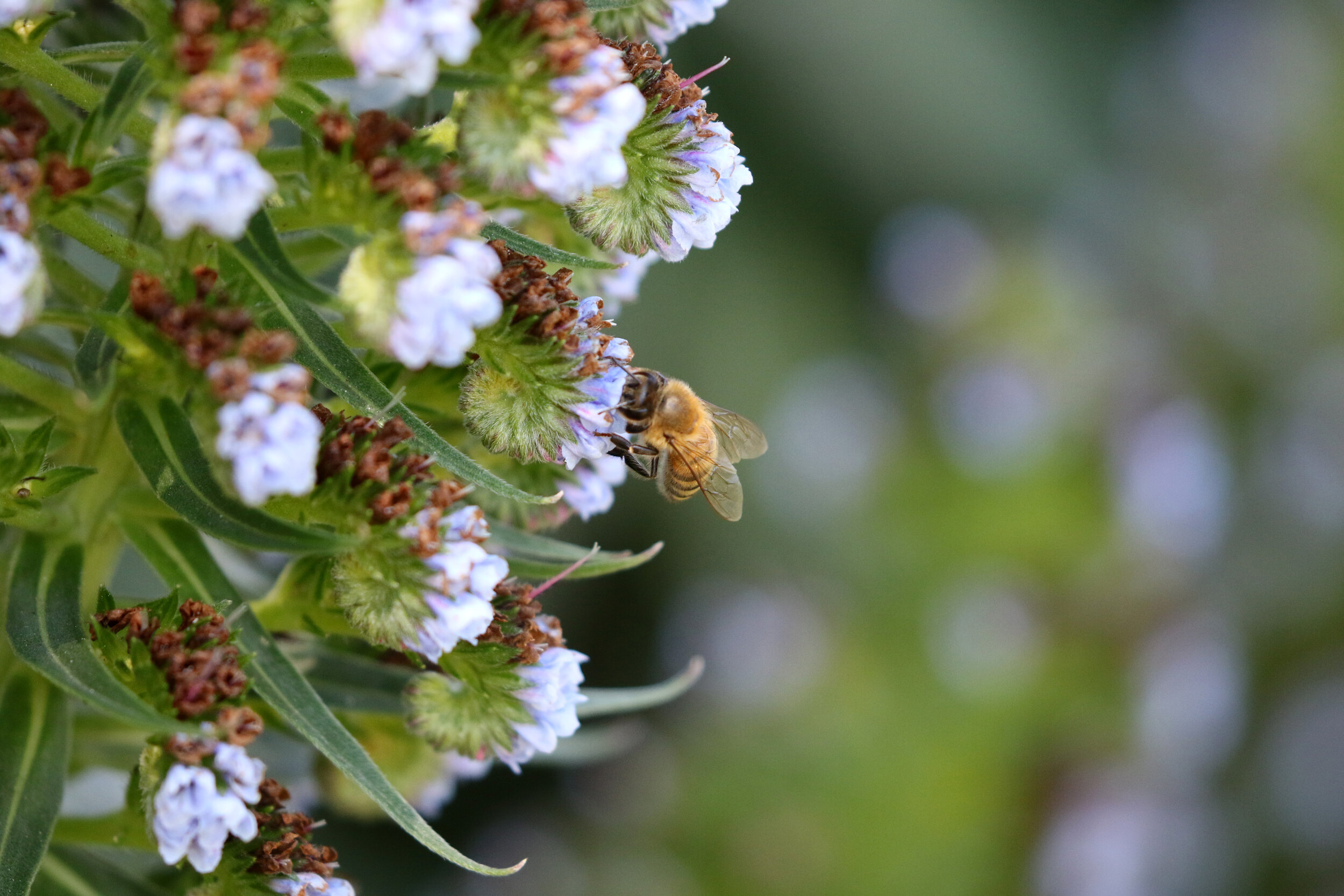
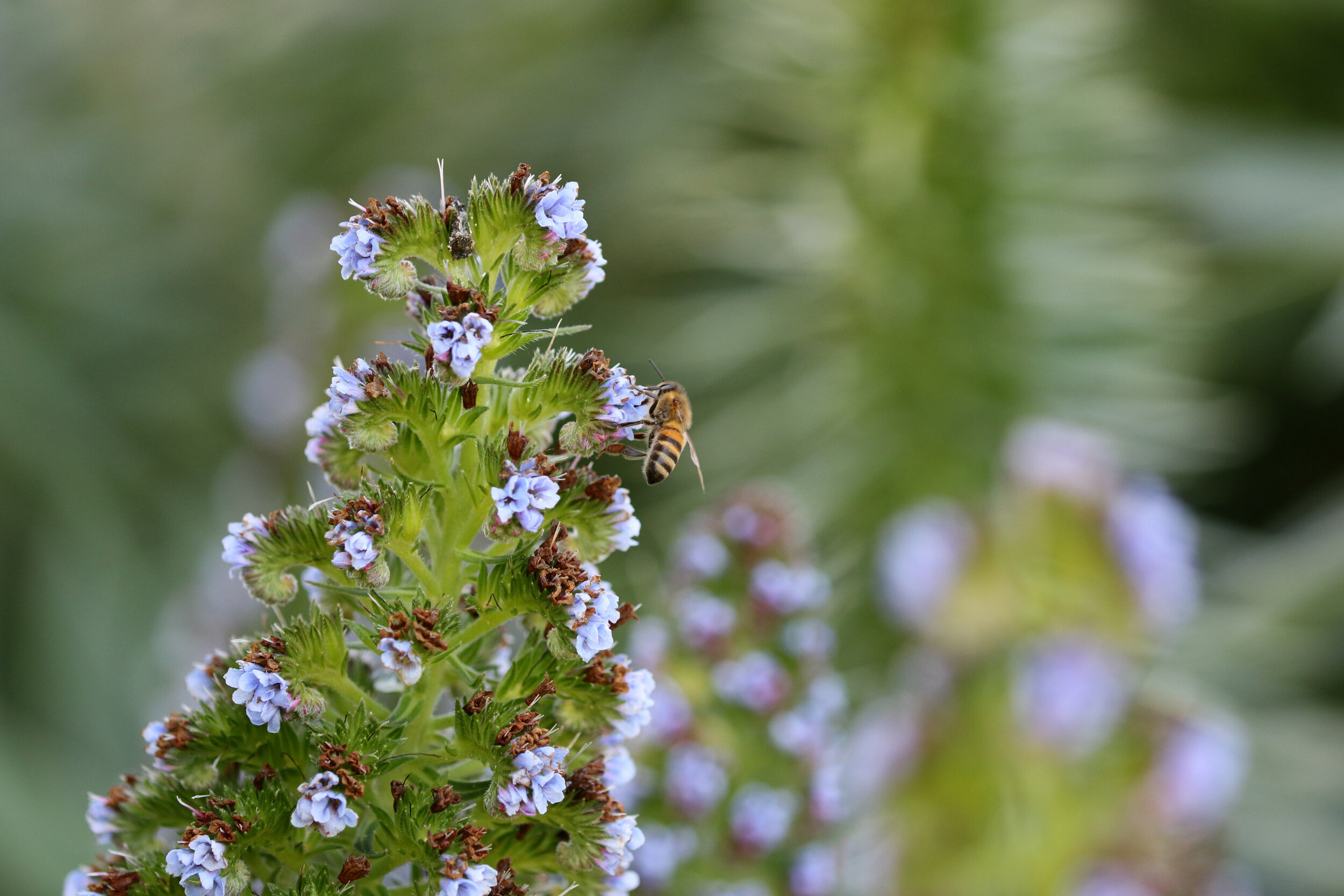
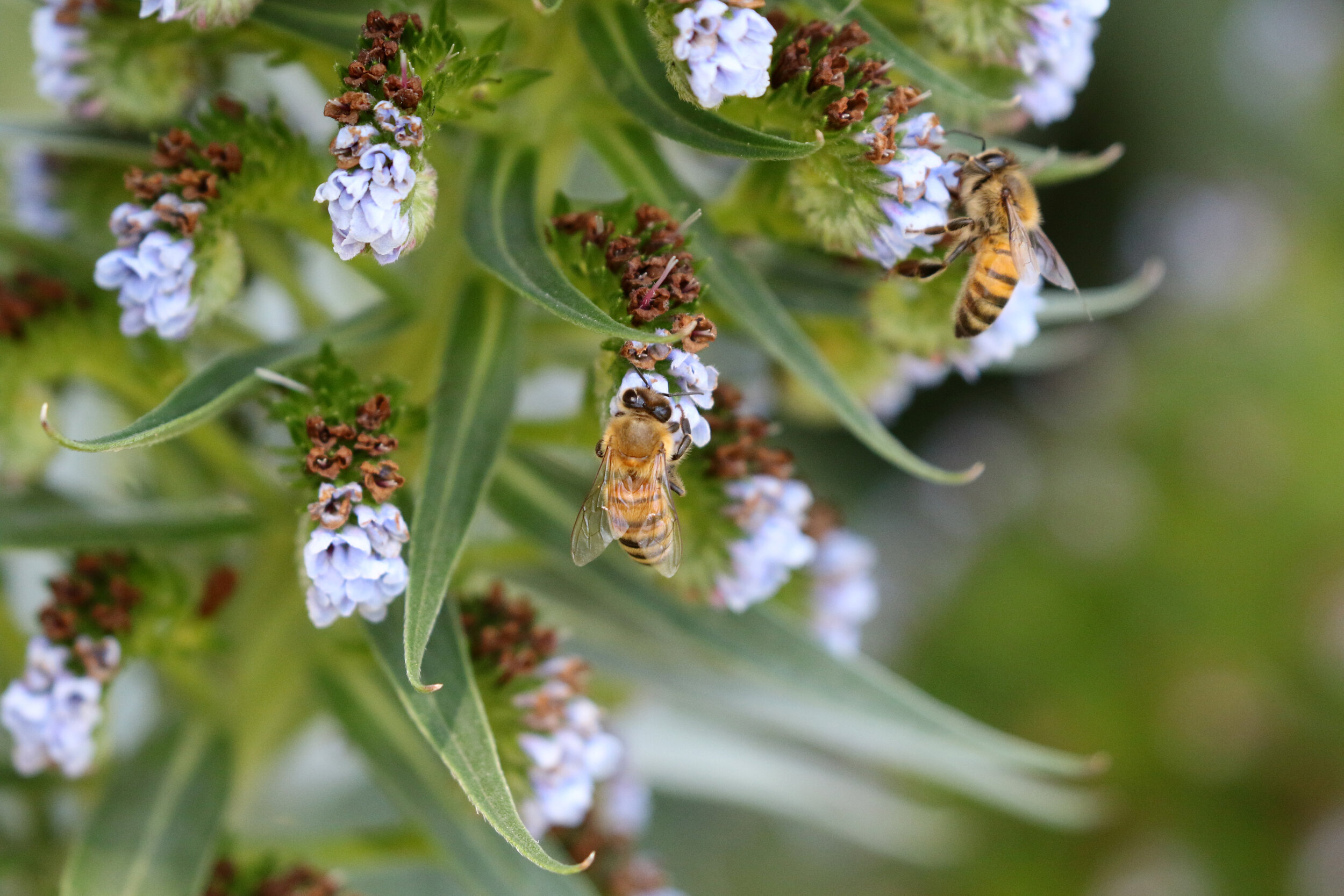
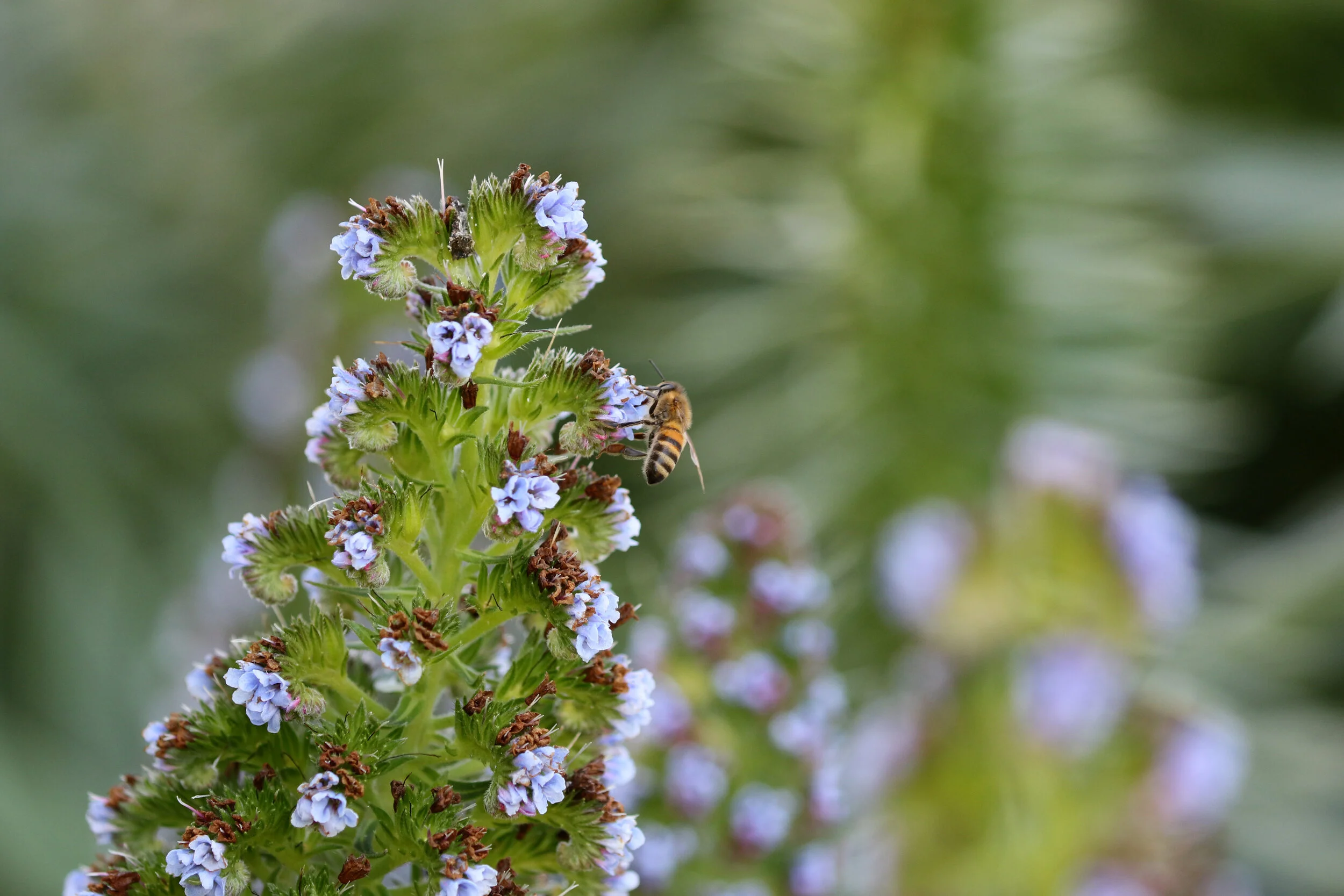
Bees visit Pride of Madeira in Sarah’s garden.
Founded by WELL- and LEED-accredited interior designer Sarah Barnard, Kale Tree collaborates with artists and artisans.
Based in Southern California, our studio gathers inspiration from the mountains, ocean and desert wildlife that surrounds us.
Through Kale Tree, Sarah works with a collective of like-minded artists, designers and artisans from diverse backgrounds and perspectives unified by the same commitment: To create healthful, ethically produced goods inspired by the intersection of art, design, and nature.
Kale Tree celebrates weaving, painting, illustration, sculpture, and textile design. All goods are made with love to bring beauty and inspire joy.

The Magic of Mangroves: Kale Tree by Sarah Barnard Design releases new rug for summer
Just in time for Summer, Kale Tree by Sarah Barnard Design is releasing an exclusive mangrove patterned rug honoring one of nature's greatest natural healers.
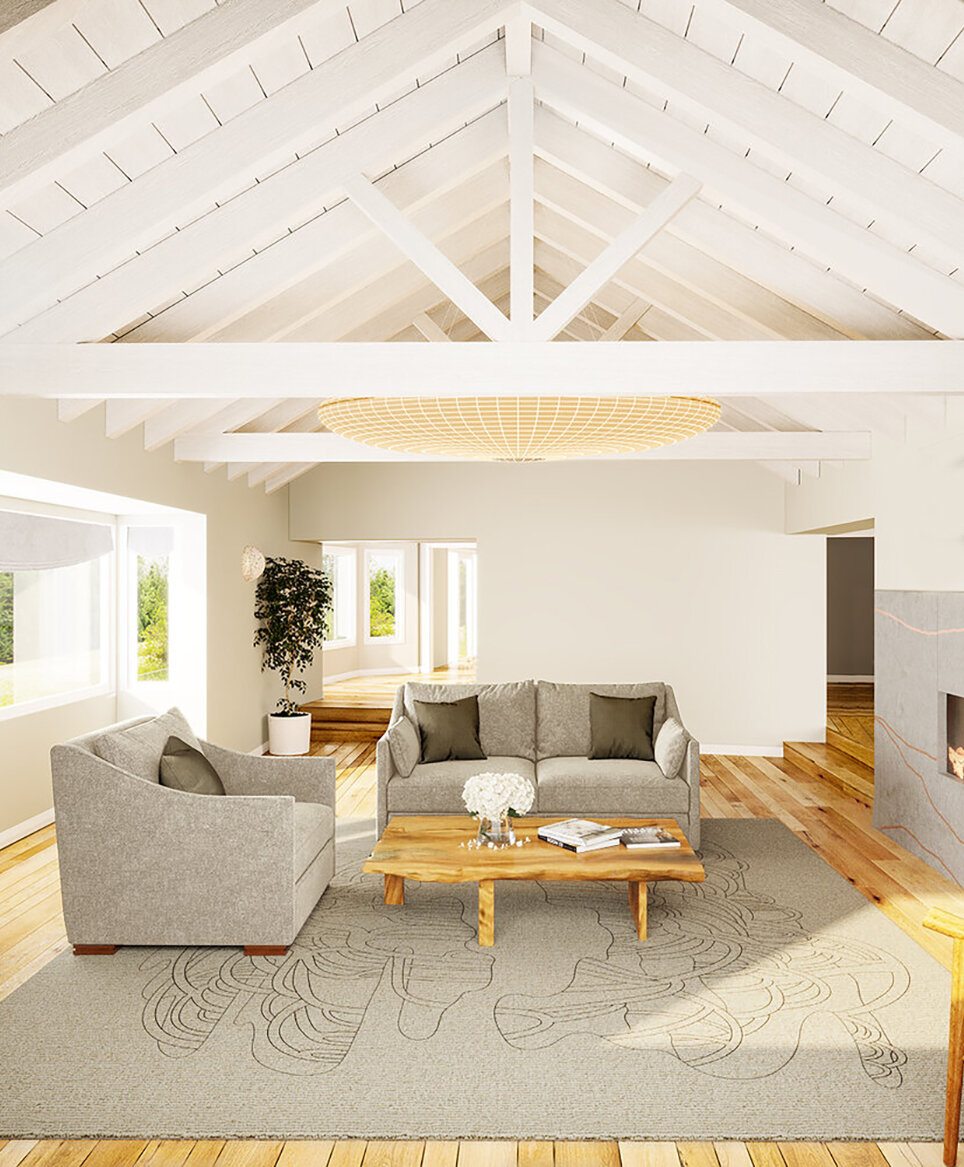
Just in time for Summer, Kale Tree by Sarah Barnard Design is releasing an exclusive mangrove patterned rug honoring one of nature's greatest natural healers.
Crucial for sustaining a vast ecosystem, mangroves provide food and shelter for local wildlife and offer filtration. Found above ground but rooted in saltwater, the plants connect land and sea. Their presence improves water quality, particularly beneficial to coral reefs, another crucial ecosystem. Mangroves will also naturally absorb water when typhoons and hurricanes hit, serving as a protective barrier to those living near the coast.
Coastal development, farming, and industry are all contributing to a rapidly decreasing presence of mangroves. These plants are not only beautiful but offer incredible ecological support for a great range of life in the ocean and on land.
Kale Tree Shop is known for its dedication to the environment. Its newest summer collection highlights the value of this incredible plant life. Interior Designer Sarah Barnard, LEED and WELL AP, says, "As an environmentalist, I've always been inspired by coastal nature and am committed to its preservation. Mangroves are such an incredible natural resource." Sarah believes that the mangroves speak to the earth's ability to heal. "As humans, we have a role as stewards for the planet. We are part of a rich ecosystem, and acknowledging that relationship is a huge step in appreciating our earth through care and intentionality."
Beyond hoping to draw more attention to vital mangroves, Kale Tree Shop will donate a percentage of all net proceeds to the Mangrove Action Project. They are self-described as an organization that “empowers local stakeholders to mitigate mangrove stressors, and teaches them how to use mangrove ecology and biology to facilitate natural regeneration."

The rugs are available in several sizes, in 100% New Zealand natural wool or vegan bamboo silk, which offers a soft sheen. Two colorways, Land with warm mushroomy browns and Sea in soothing blue-greys, have neutral palettes pulled from two worlds the plant occupies. Each rug is made to order, and colors and sizing can be customized to fit individual needs.
Kale Tree Shop offers beautiful and unique products inspired by nature that acknowledge the need to care for our earth through conscious sourcing and material selections. In addition to the Mangrove Rug, Kale Tree offers a variety of products, including abutilon-inspired wallpaper and textiles. Kale Tree's previous collections include its Moth Rug and a light inspired by its host plant, the ginkgo tree. Sarah is an avid birder and gardener, and her inspiration comes from time spent outdoors.
As the heat comes in and more and more people make their way to the beach, Sarah hopes the rug serves as a reminder to cherish our coastlines. The rug will be available through https://www.kaletree.com beginning June 21st to welcome in summer.
###
Sarah Barnard is the founder of Kale Tree and a creator of environments that support mental, physical and emotional wellbeing. An advocate for consciousness, inclusivity, and compassion in the creative process, Sarah has been quoted by Architectural Digest, Elle Décor, Vouge, HGTV and many other publications.
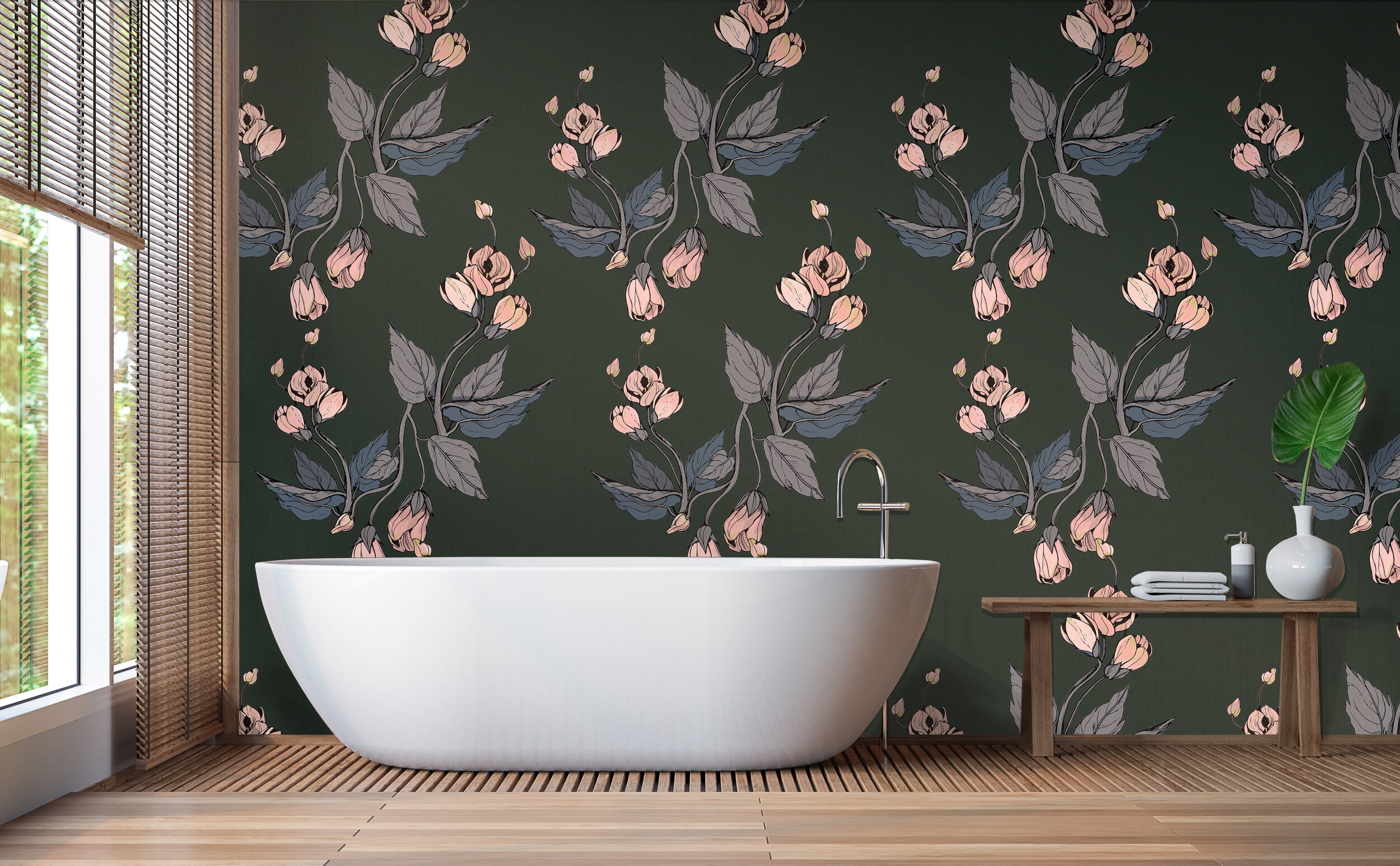
Wallflower: A lesser-known floral blossoms into its moment with a new eco wallpaper
Kale Tree Founder Sarah Barnard is an advocate of all things nature. “Being in nature brings me great pleasure, and is the source of inspiration for much of my work,” says Barnard. “Setting aside time to enjoy and plant in my garden helps me decompress, and fully engage mentally and physically outside of my design practice.
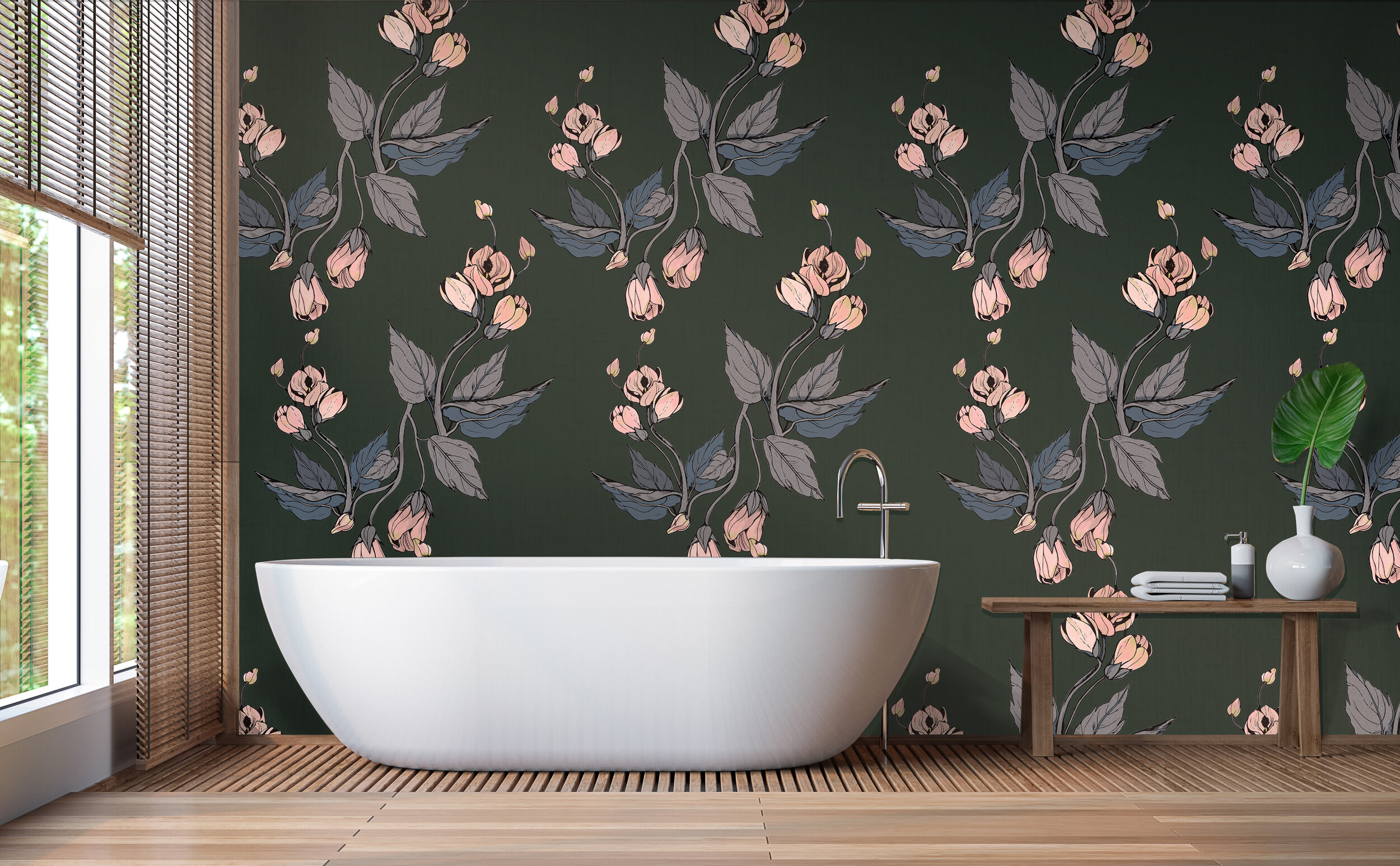
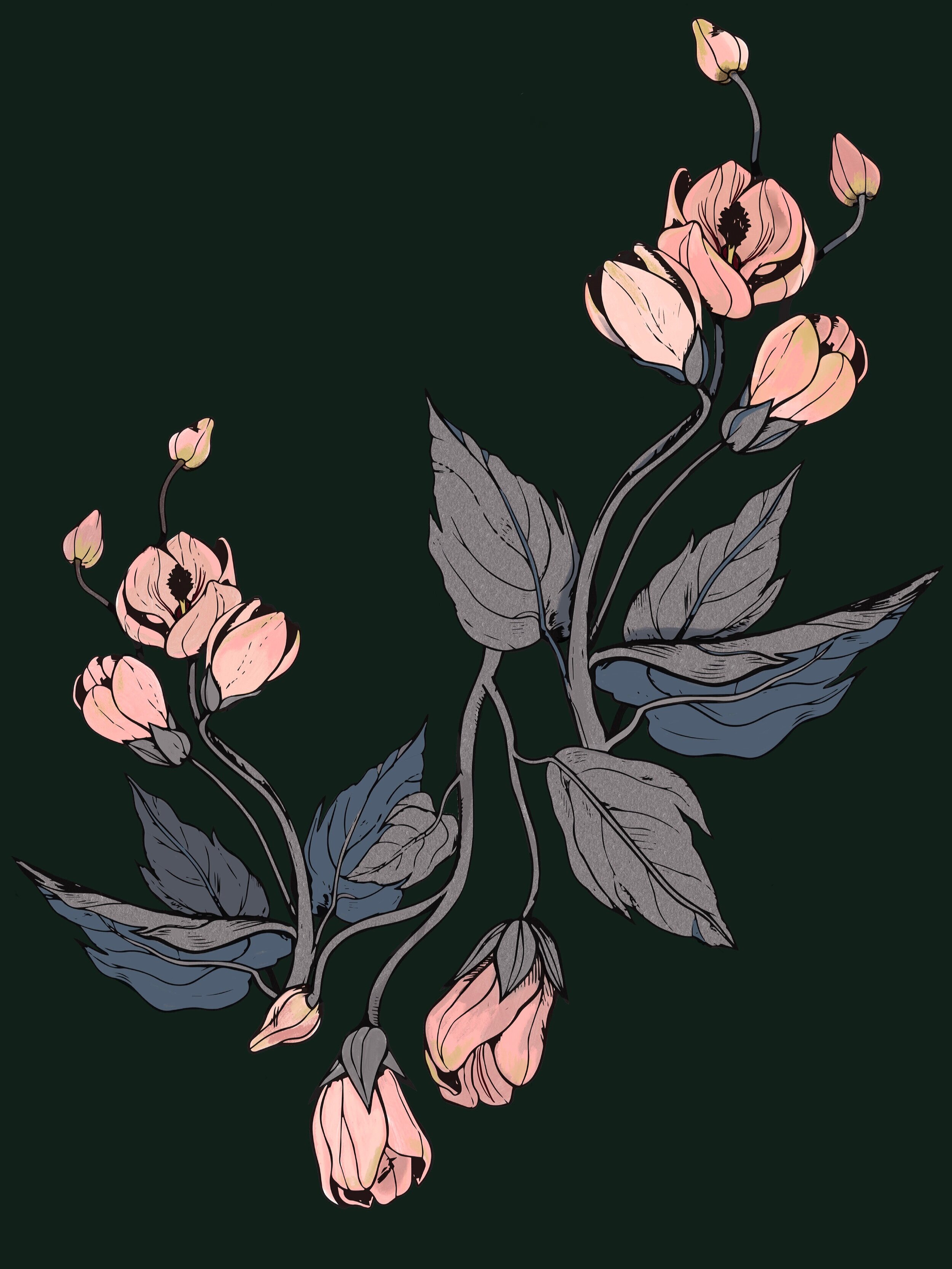
Mallow Wallpaper in Midnight Forest. Image courtesy of Sarah Barnard Design.
Kale Tree Founder Sarah Barnard is an advocate of all things nature. “Being in nature brings me great pleasure, and is the source of inspiration for much of my work,” says Barnard. “Setting aside time to enjoy and plant in my garden helps me decompress, and fully engage mentally and physically outside of my design practice. After gardening, I feel re-energized, focused, and ready to return to work.” One of Sarah’s favorite plants is Mallow. She has three different varieties that she tends to in her garden.
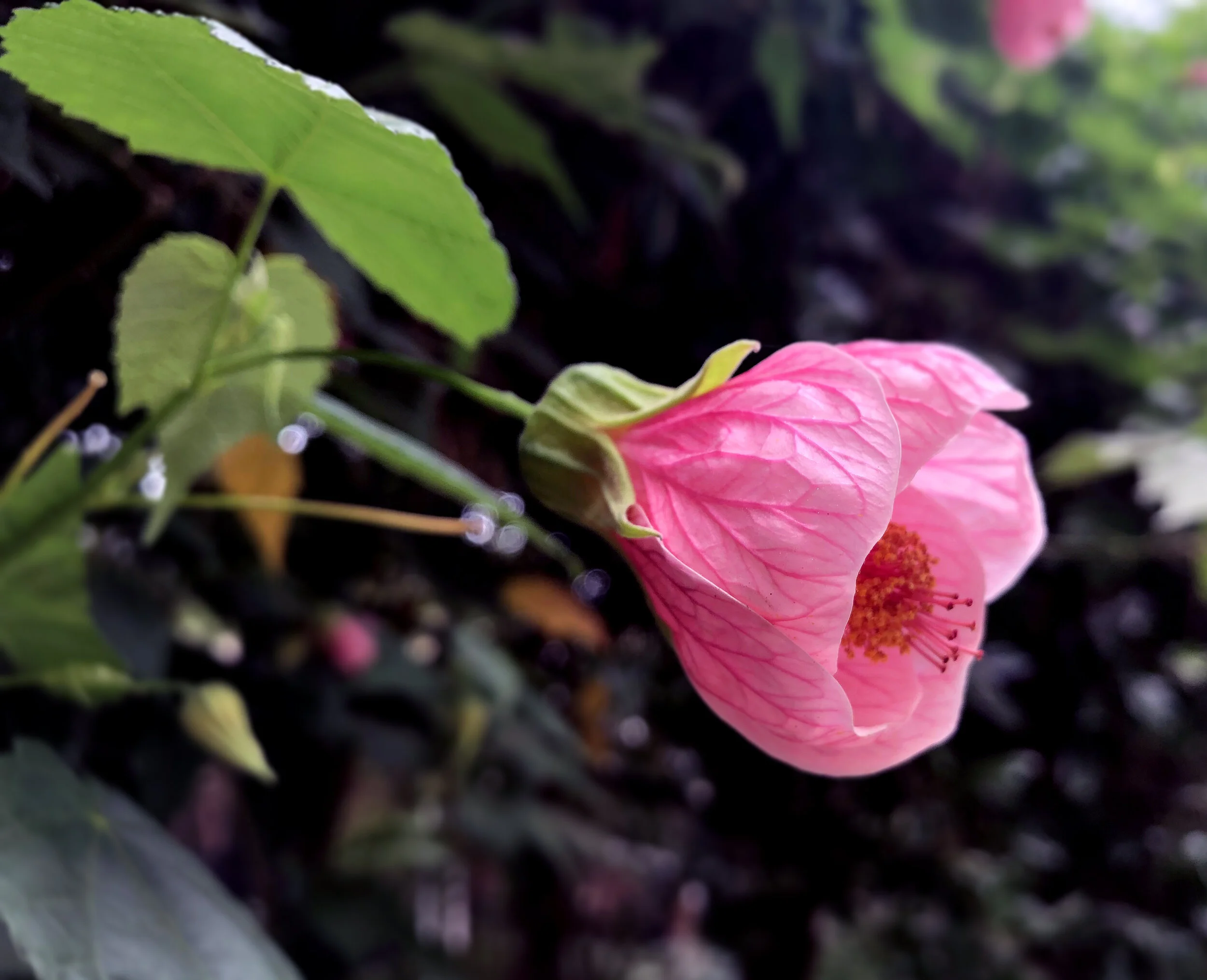
A Mallow making a presence in Sarah’s garden.
Mallow is a free-flowering plant that blooms beautifully draping, lantern-shaped blossoms of all varieties of pinks, yellows, reds, and whites. There are about 200 species in this particular genus. Also referred to as the Flowering Maple, Chinese Lantern, and Indian Mallow, this shrub earned its names from its maple-like leaves, lantern shape flowers, and mallow genus. These shade-loving plants are delicate, requiring regular care and maintenance. This effort can be fruitful; however, as a happy Mallow can flower almost non-stop. These stunning plants are pollinator-friendly, attracting hummingbirds, butterflies, and bees alike[1].
While most commonly planted for ornamentation in gardens, the Mallow has qualities that benefit health and well-being. Some Mallow species have a history of medicinal uses for emollient, analgesic, anti-diabetic, and anti-inflammatory purposes, to name a few[2]. Their flowers produce nectar, making them slightly sweet and astringent[3]. Floriography, the language of flowers, suggests that Abutilon symbolizes Meditation[4].
Out of pure adoration of this plant, Kale Tree created a line of botanical wallpapers inspired by the Mallow.
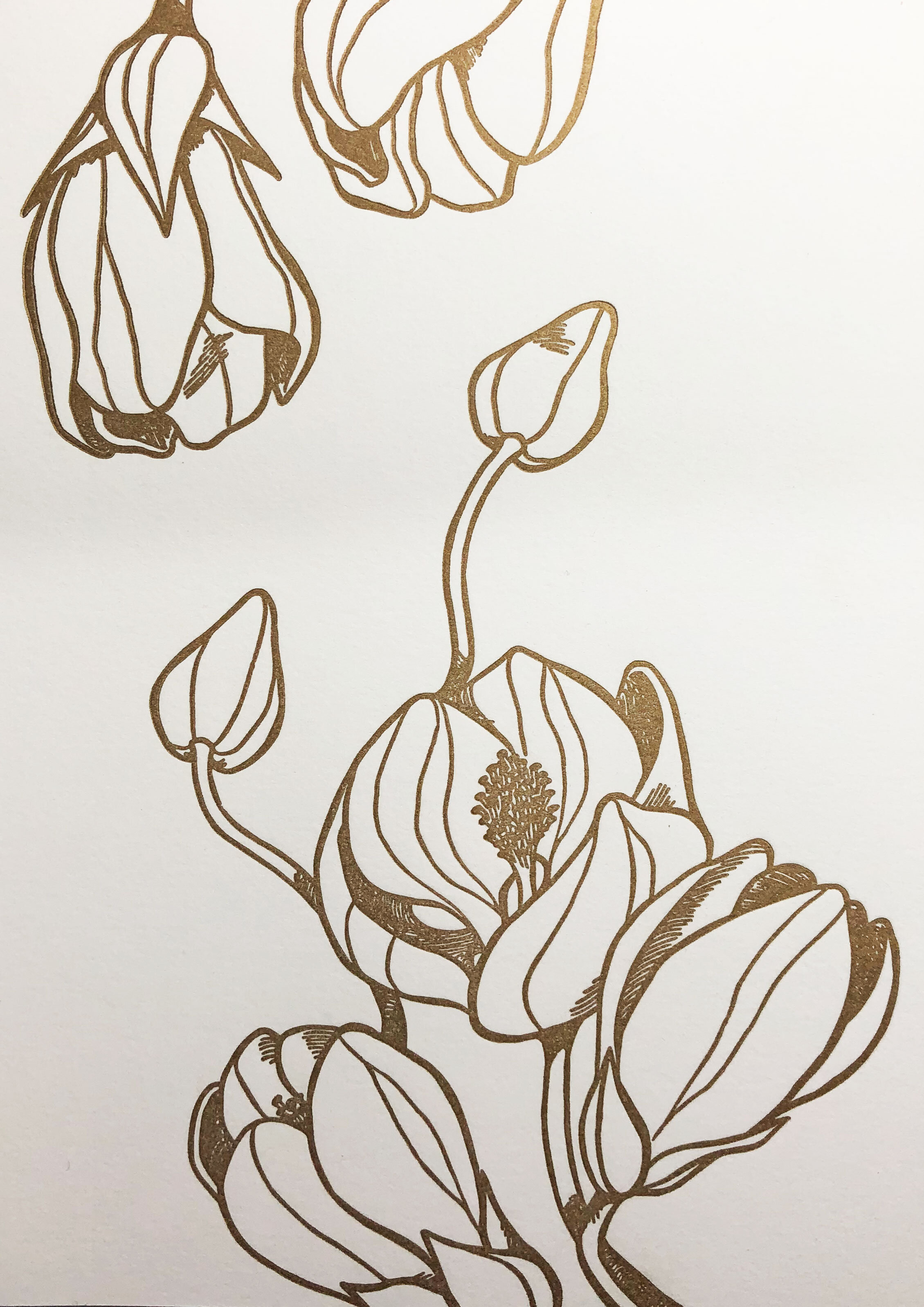
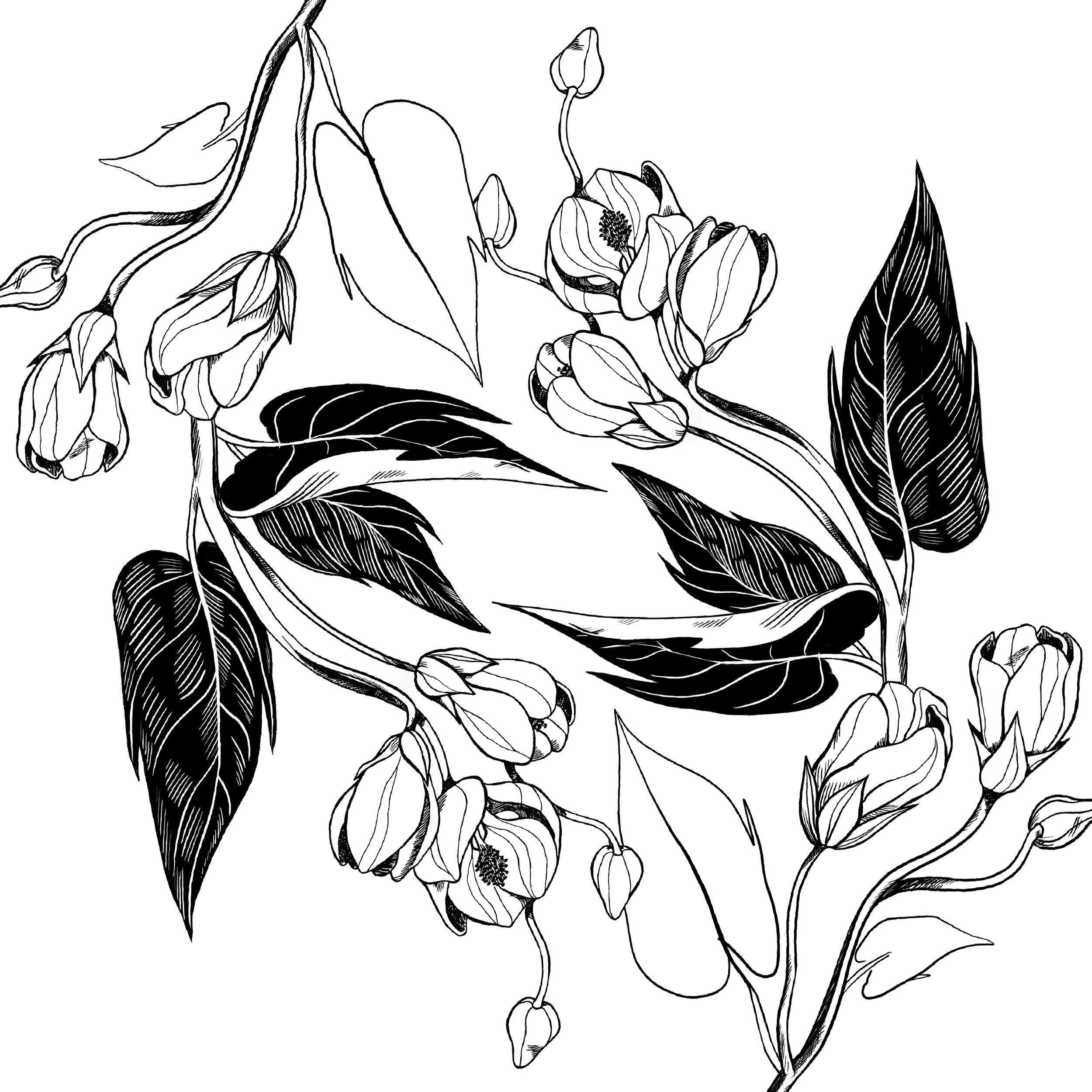
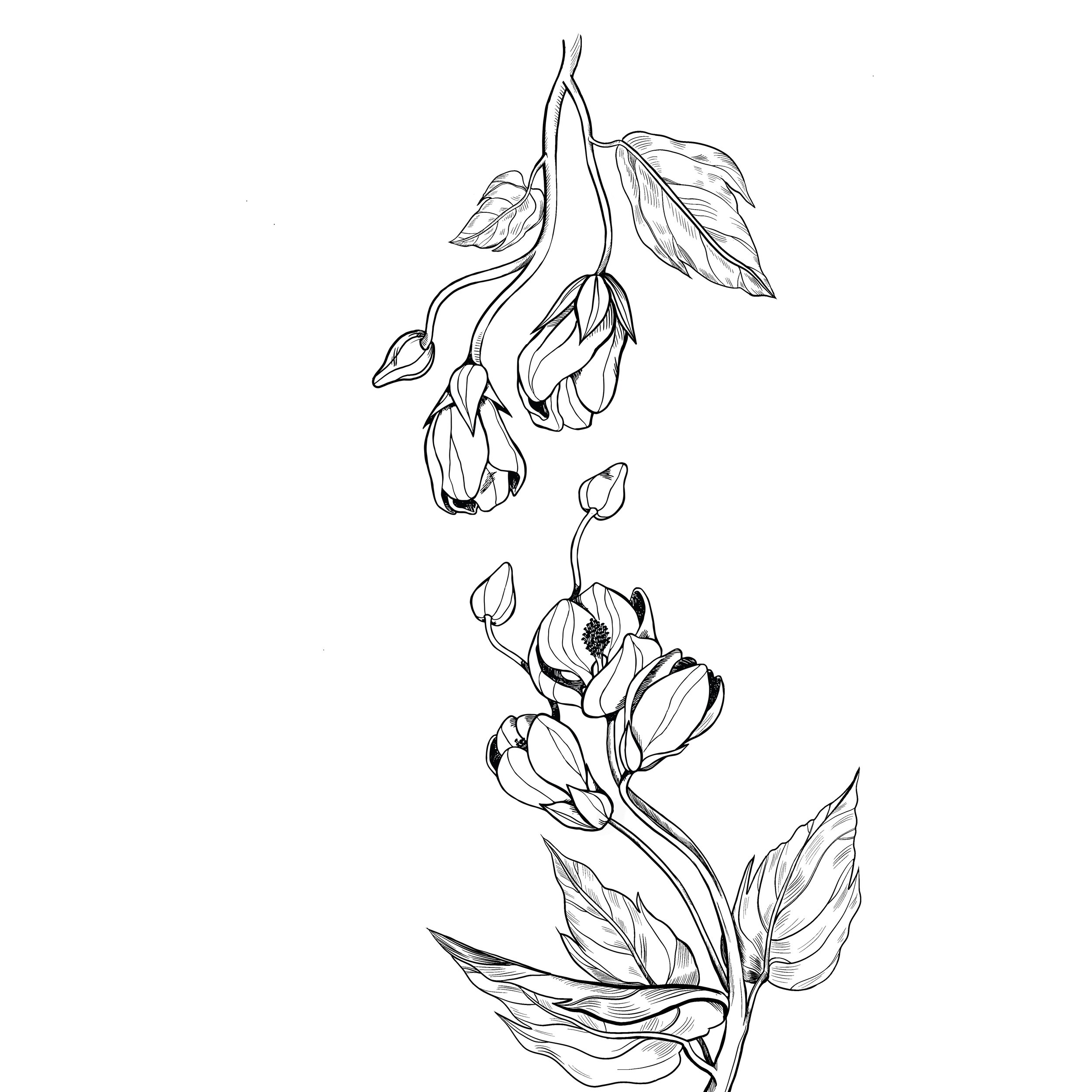
The line drawing for the wallpaper began as the annual letterpress holiday card for Sarah’s interior design studio. The Kale Tree team reworked and expanded the original illustration into a pattern for wallpaper and textiles. Photographs of Mallows in Sarah’s garden were used as references to develop the drawing. Kale Tree designers chose to render the Mallow in a larger than life scale to highlight their extraordinary beauty and bring a contemporary feel to the notion of traditional floral wallpaper. The color palette was adapted from Victorian Era paintings as a nod to art history, marrying classical with contemporary. Pink is utilized generously throughout the illustrations as it happens to be one of Sarah’s favorite colors. “Clients seldom choose to incorporate pink into their spaces, so Kale Tree is my outlet to explore and indulge in this color,” says Sarah.
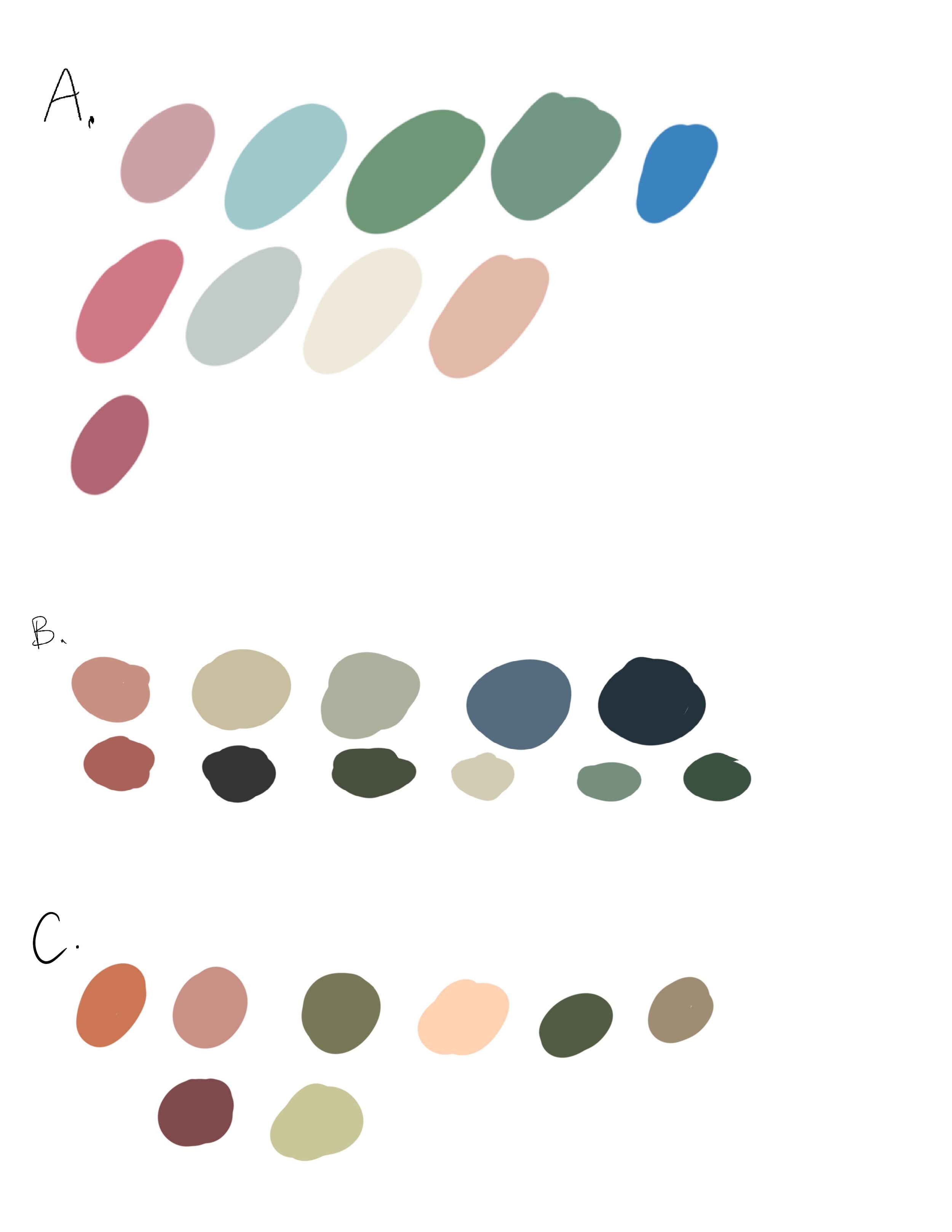
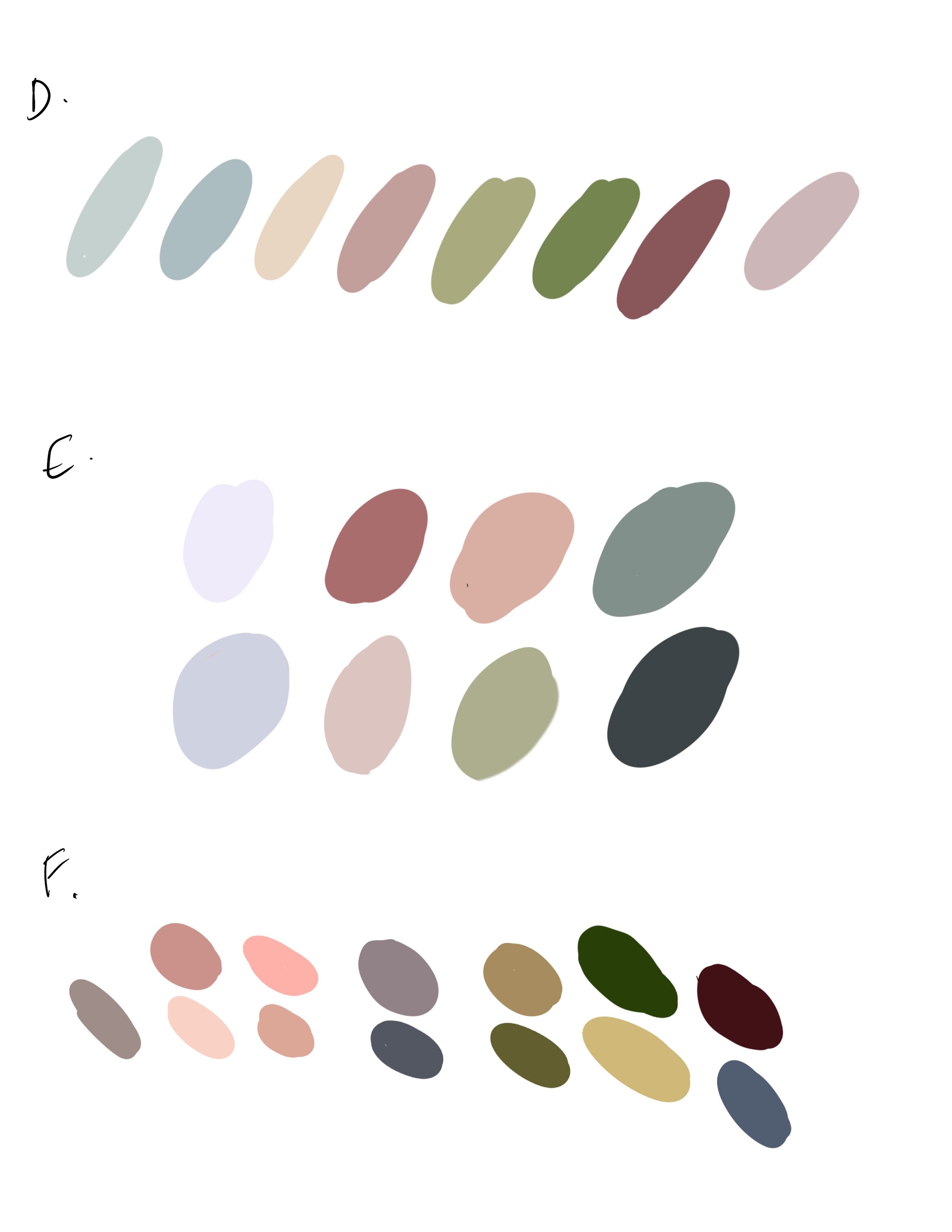
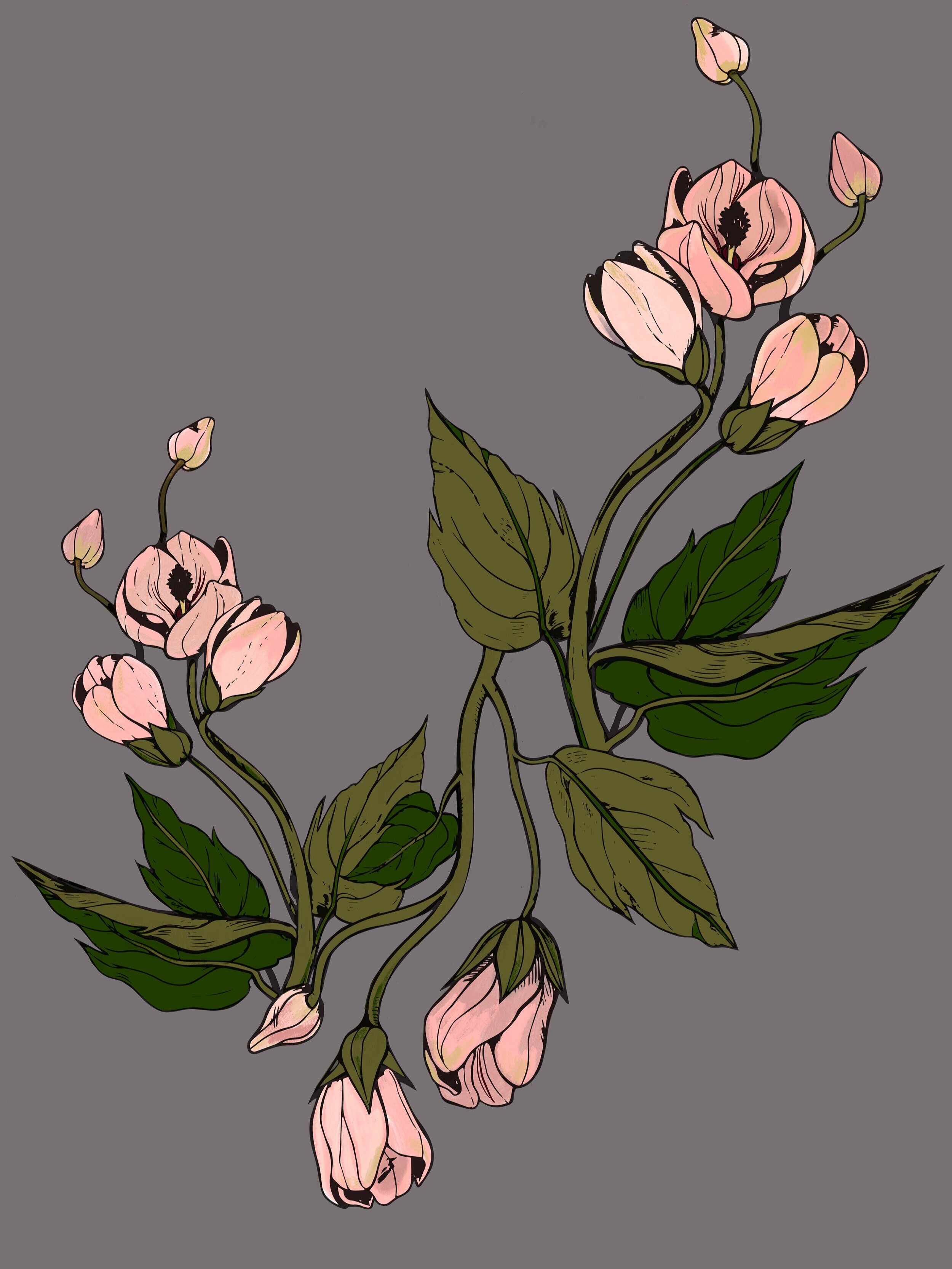
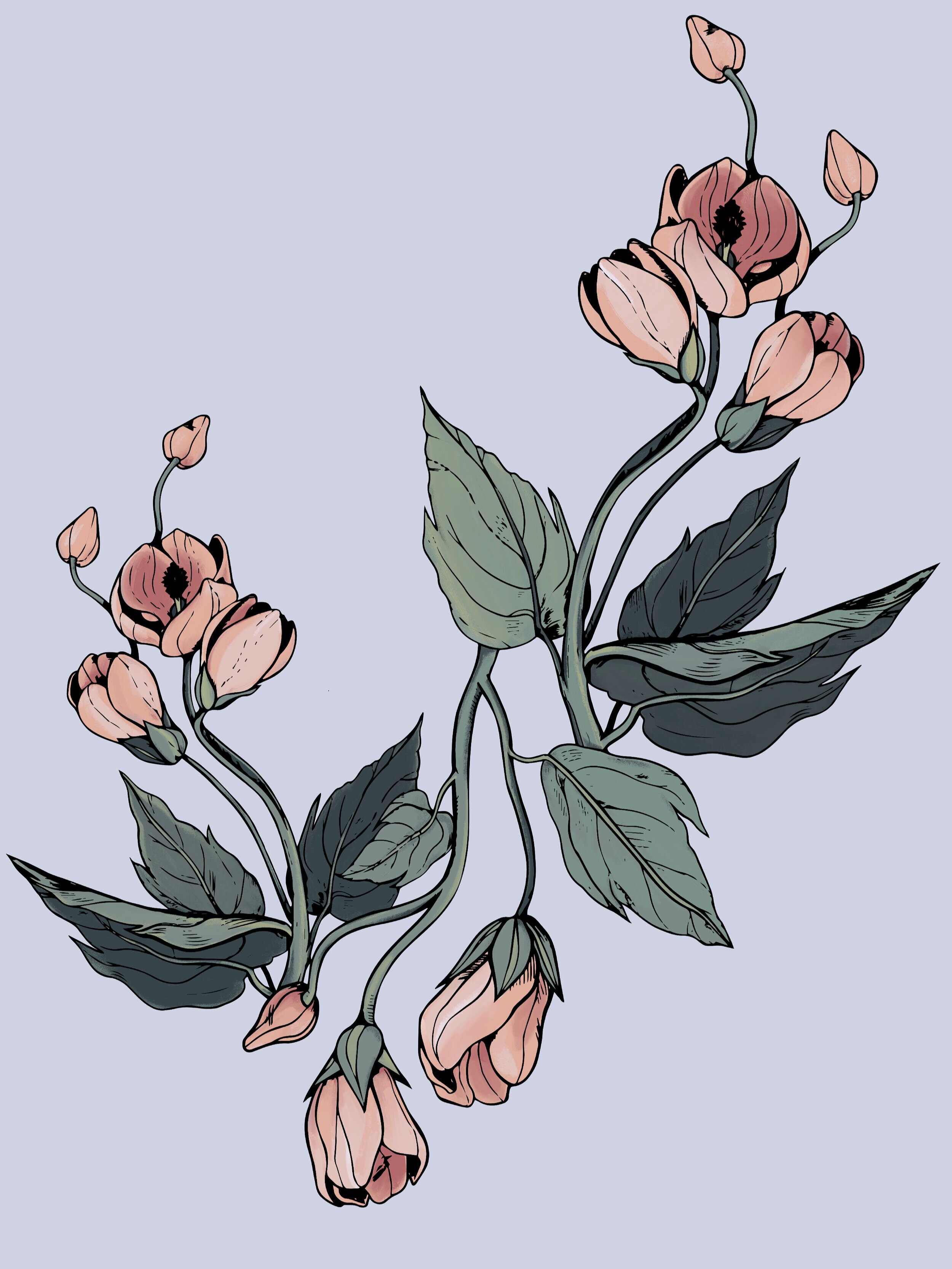
Kale Tree’s eco-friendly wallpaper features a subtle surface texture and a hand-drawn pattern. It is available in three colorways: Midnight Forest, Evening Mauve, and Dusty Dawn. Designed with nature in mind, this product is a PVC-free, type II wallpaper made with 31% post consumer, recycled canvas, and printed with a VOC-free process free of solvents. The wallpaper is 33 inches wide by 18 feet long and is sold per 49.5 square foot roll. Kale Tree aims to promote health and wellbeing through introducing our healthful, ethically produced goods inspired by the intersection of art, design, and nature.
You can pre-order for Spring 2021 here.
References
[1] Mahr, Susan. “Flowering Maple, Abutilon Spp.” Master Gardener Program, 5 Aug. 2020, mastergardener.extension.wisc.edu/article/flowering-maple-abutilon-spp/.
[2] Rajeshwari S, Sevarkodiyone SP (2018) Medicinal properties of Abutilon Indicum. Open J Plant Sci 3(1): 022-025. DOI: 10.17352/ojps.000011.
[3] “Abutilon Striatum (Red Vein Indian Mallow).” Gardenia.net, www.gardenia.net/plant/abutilon-striatum.
[4] Deitz, S. Theresa. Floriography Today: The Symbolic Meanings & The Possible Powers of Trees, Plants and Flowers. 2012.

Views from the Garden: Hibiscus, Roses, Birds + Bees
Hibiscus has always been one of my favorite flowers, with its colorful voluptuous blooms. What began as a tiny one-gallon pot is now (years later) a magnificent bush, a bit taller than me.
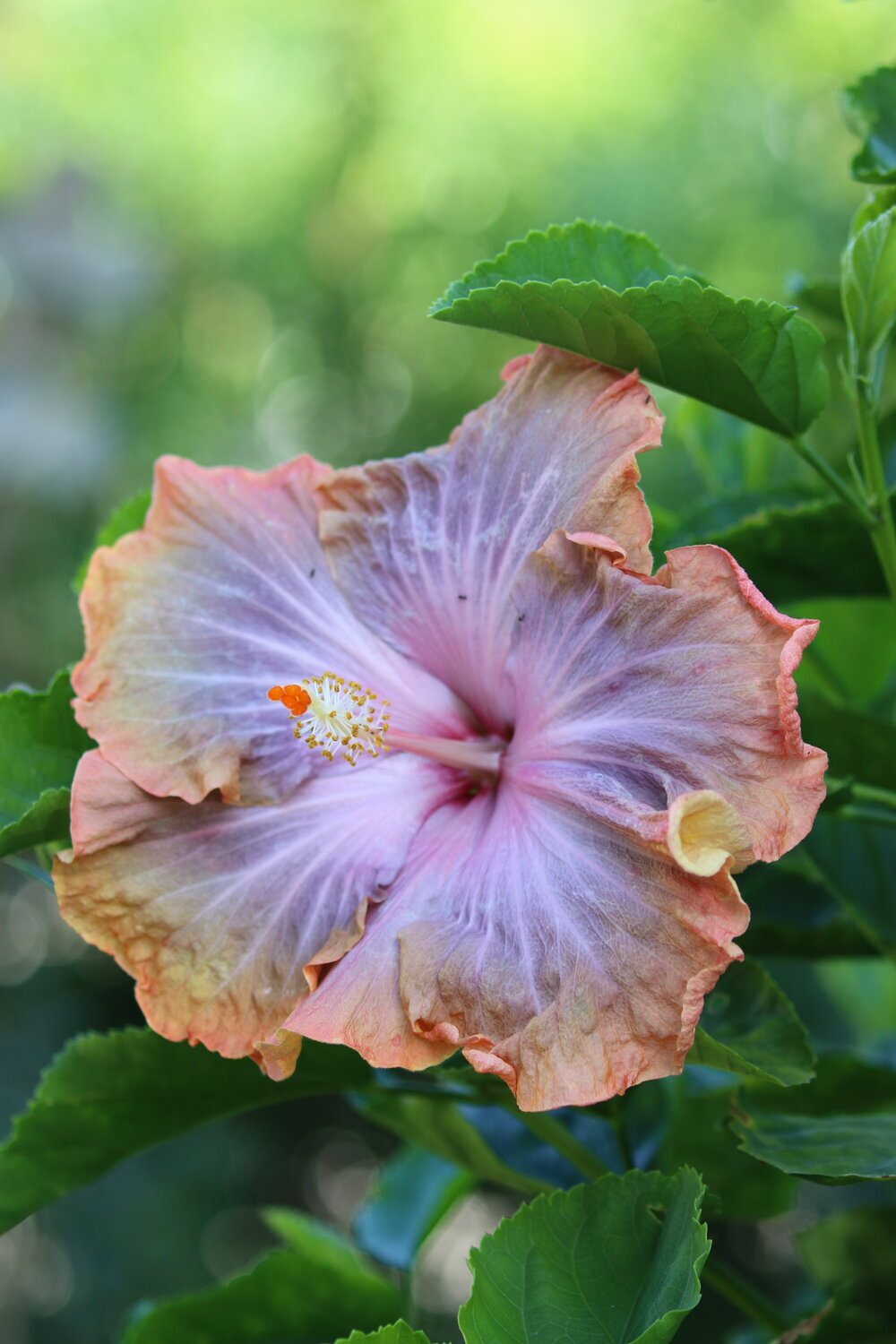
HIBISCUS ROSA-SINENSIS “CREOLE LADY” . LOS ANGELES, CA.
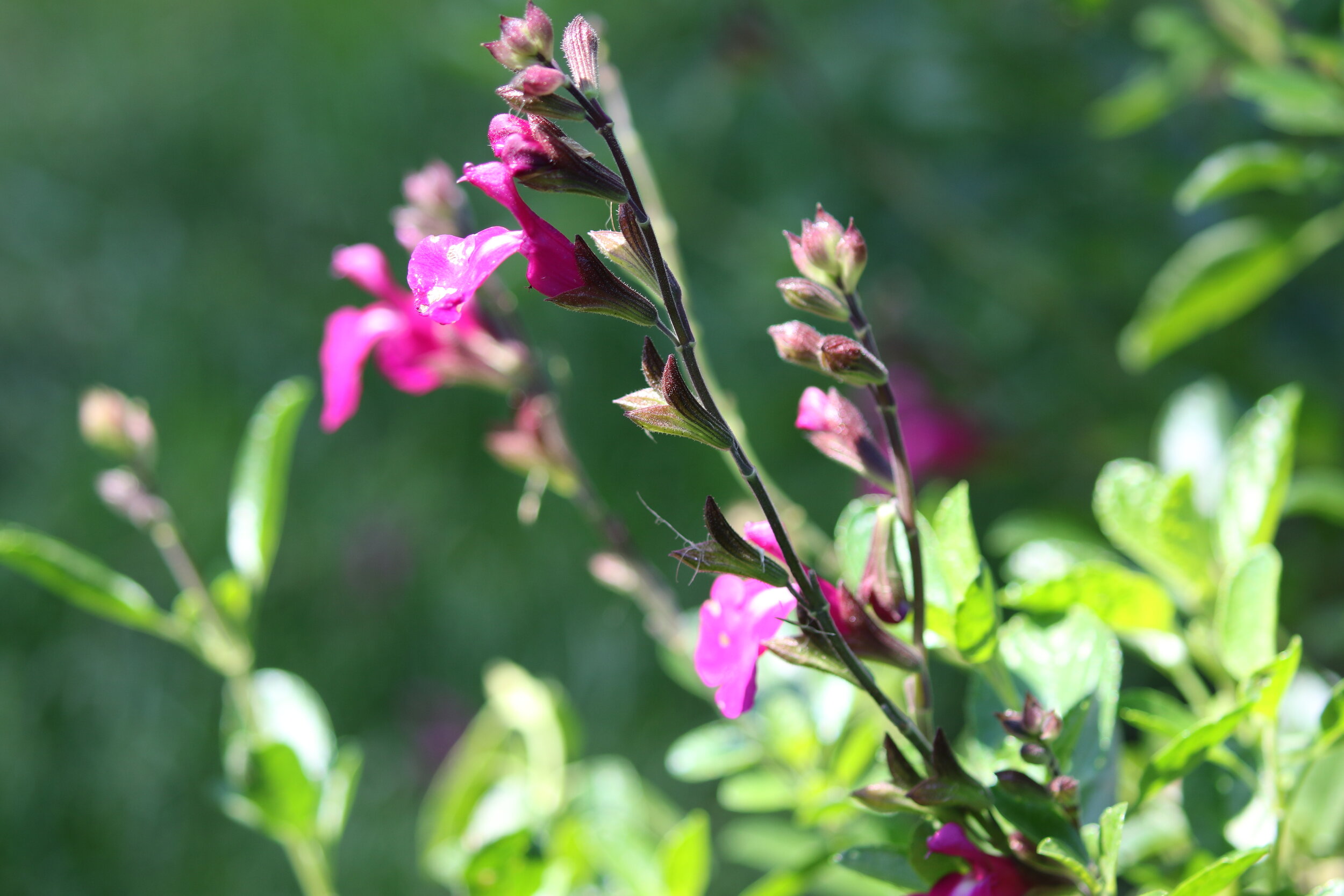
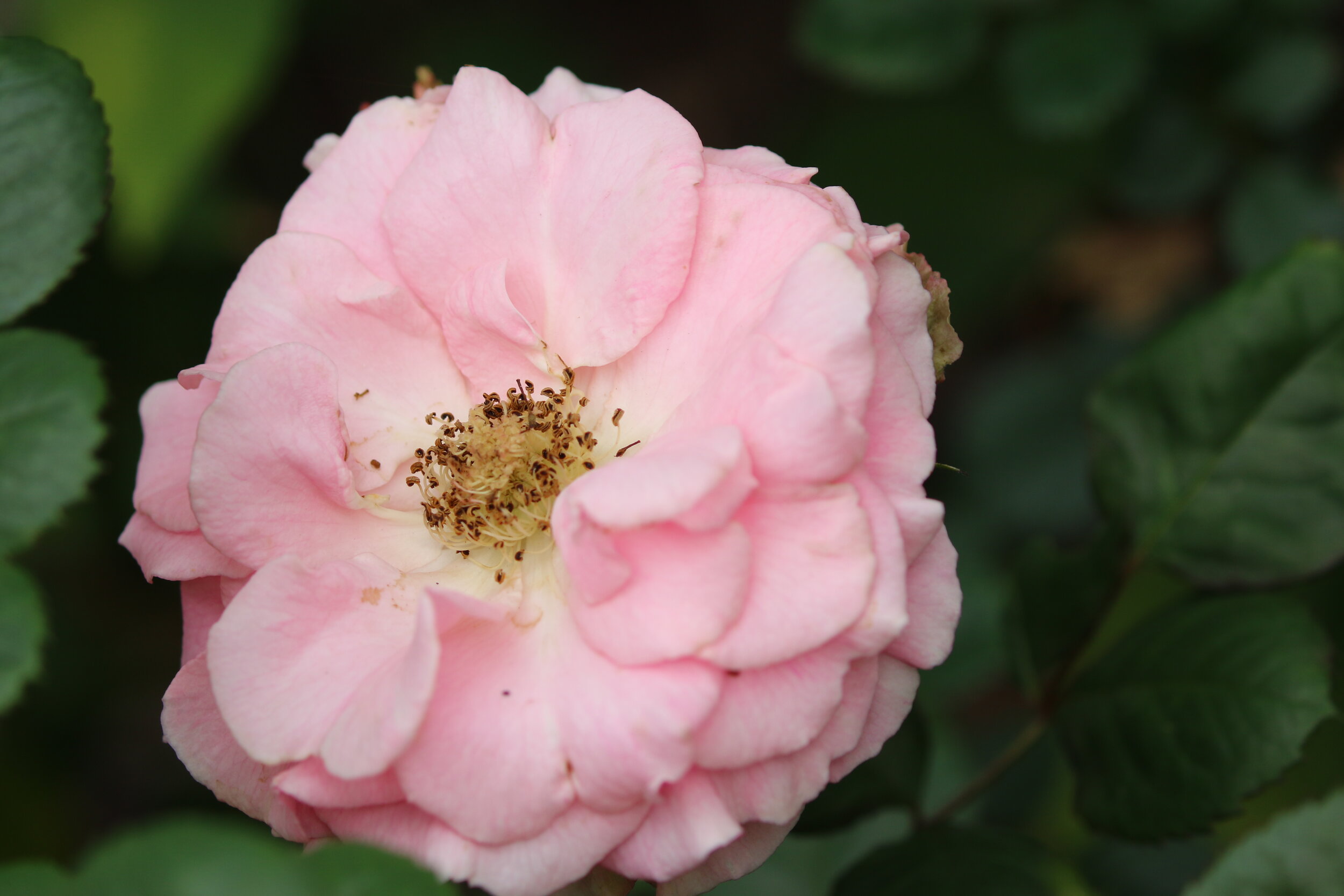
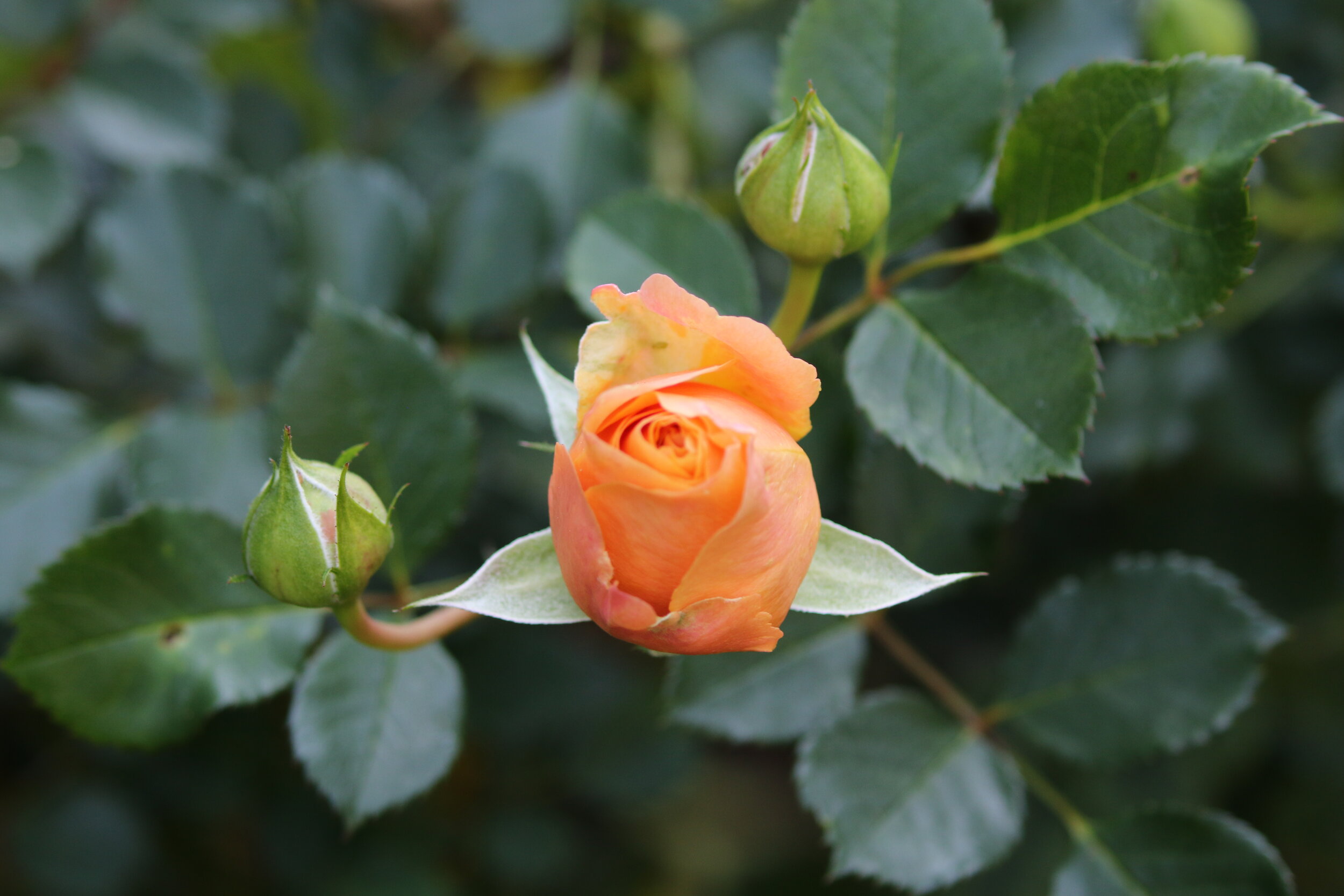
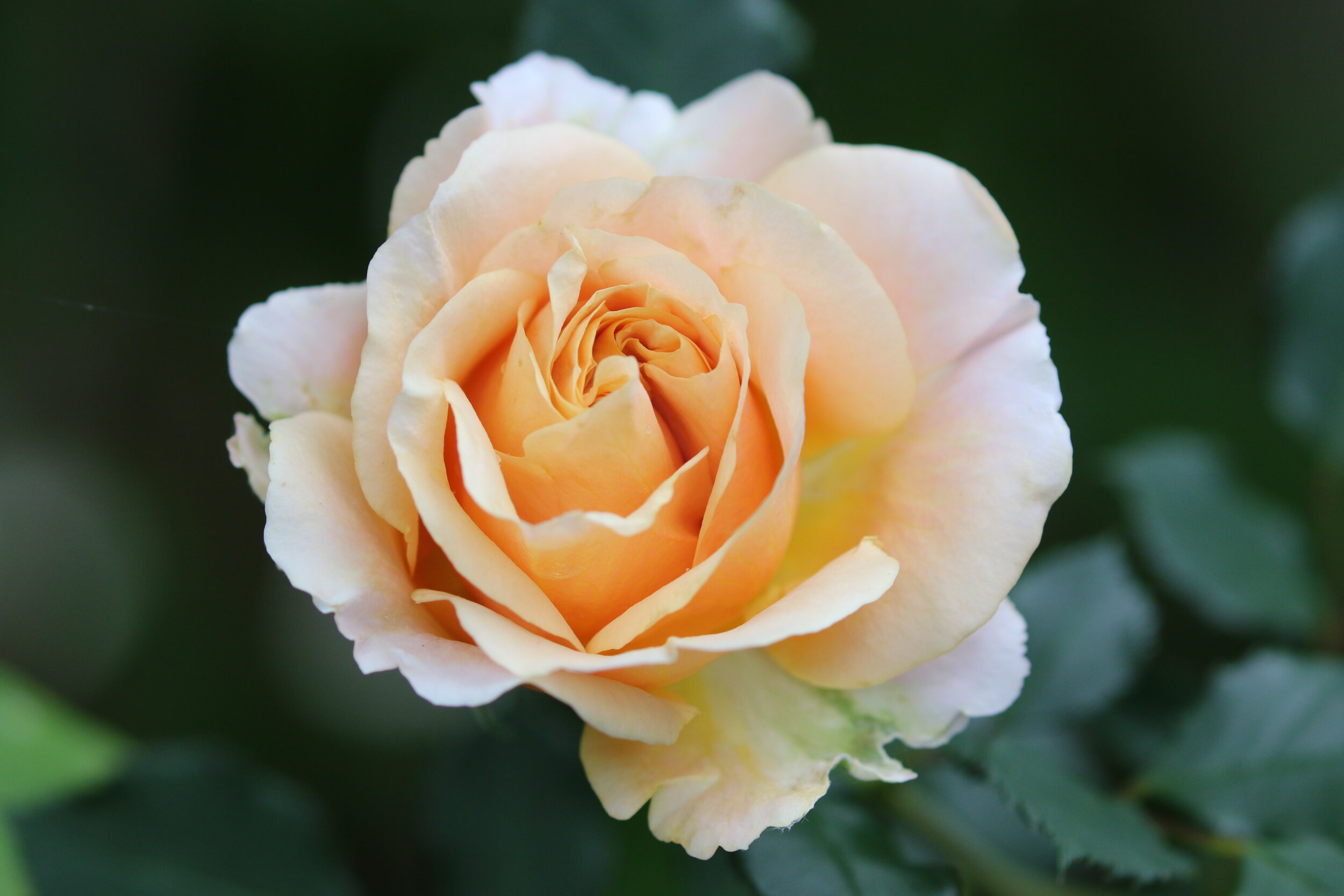
Hibiscus has always been one of my favorite flowers, with its colorful voluptuous blooms. What began as a tiny one-gallon pot is now (years later) a magnificent bush, a bit taller than me. Garden roses are one of my simplest delights. The fragrance of roses inspires cheer in my southern California garden nearly all year round. Spending a bit of time outdoors each morning helps me to feel connected to the outside world.

A COMMON HOUSE SPARROW FINDS A TASTY NUT. LOS ANGELES, CA
Visiting birds and bees remind me that life is in fact carrying on, no matter the state of my day, or the world at large.

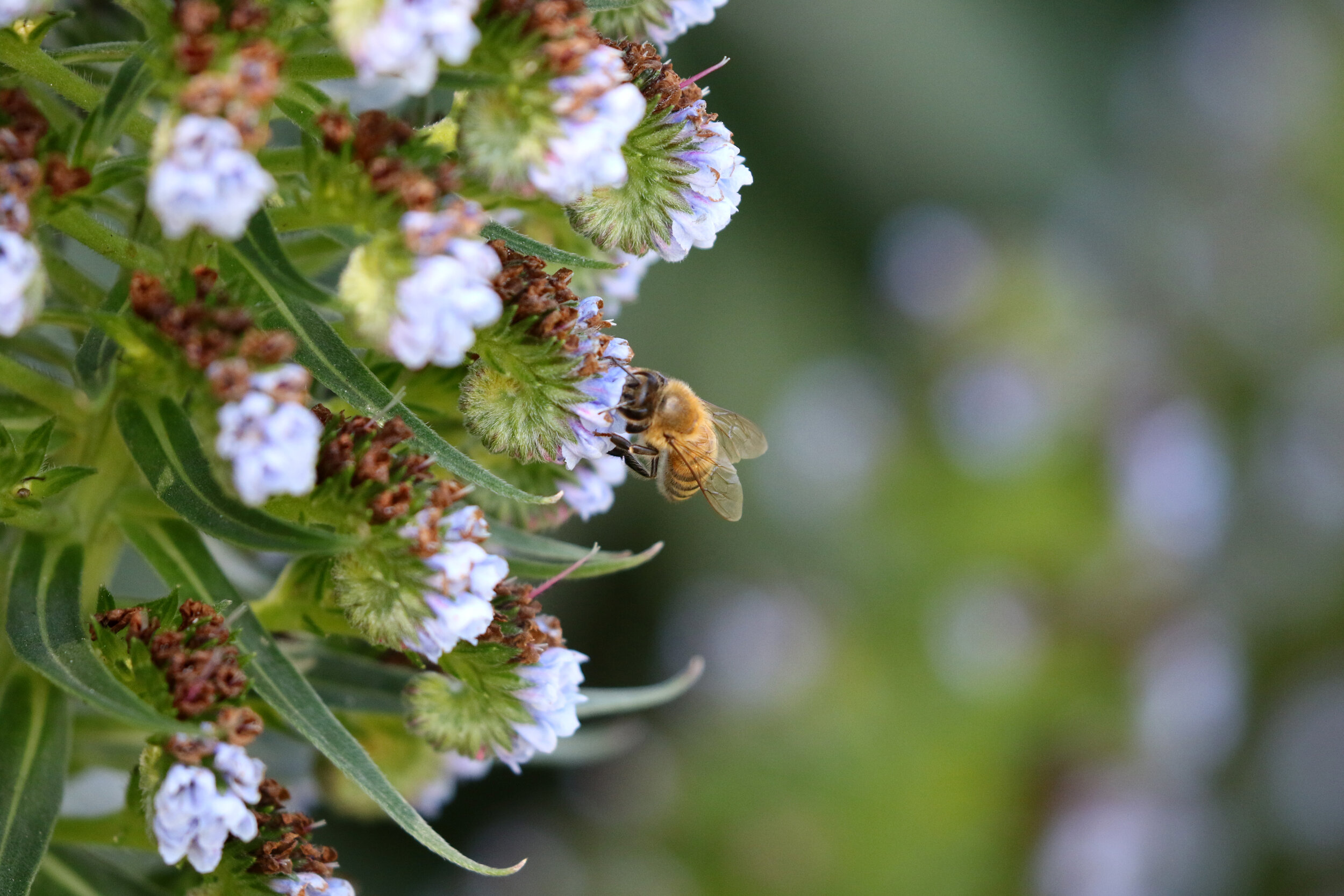
ECHIUM CANDICANS, PRIDE OF MADEIRA, A FAVORITE OF THE VISITING BEES. LOS ANGELES, CA.

A CARPENTER BEE VISITS THE SENNA FLOWERS. LOS ANGELES, CA.