The Ethereal Palette: Artistry and Ecology in the Moth Collection
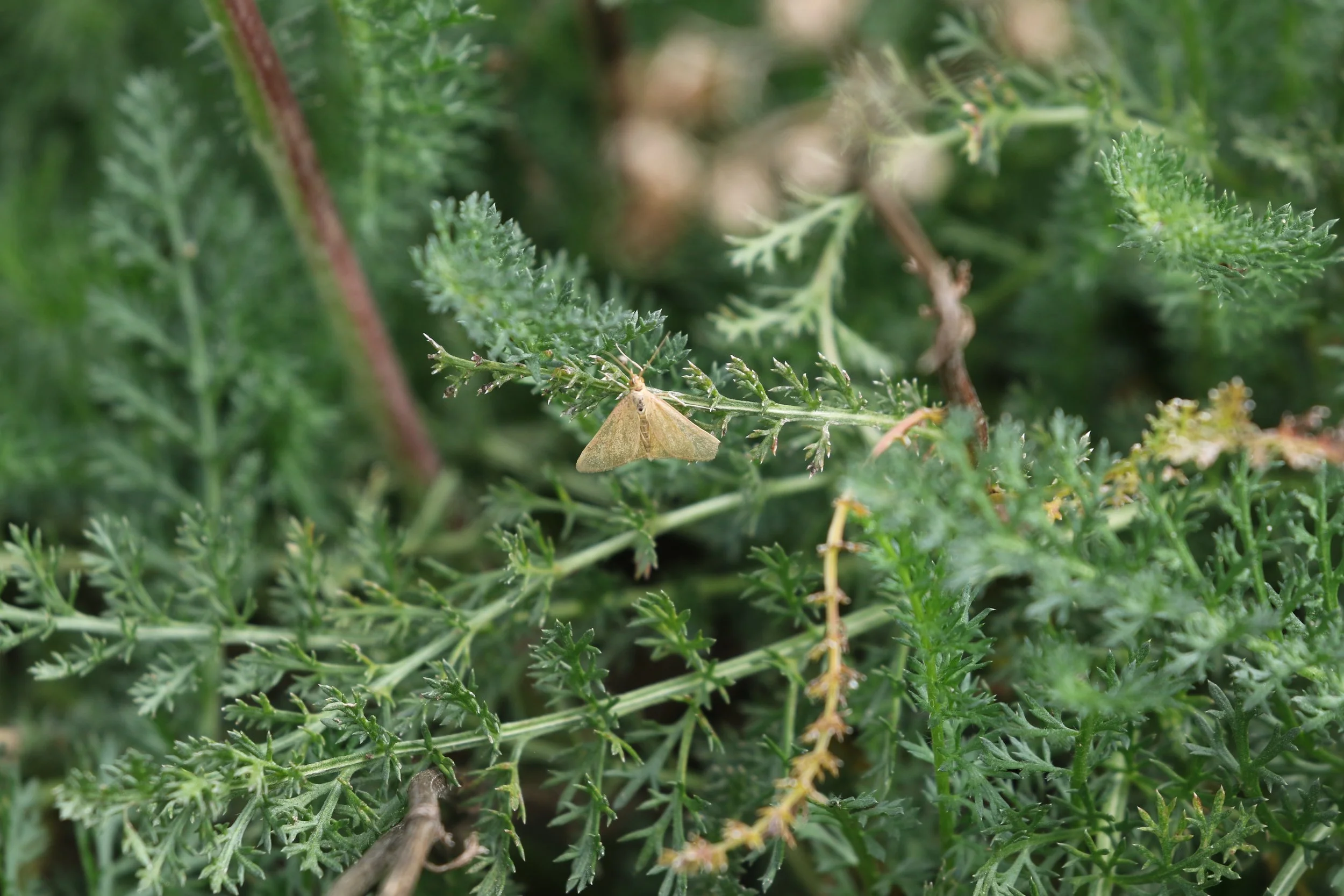
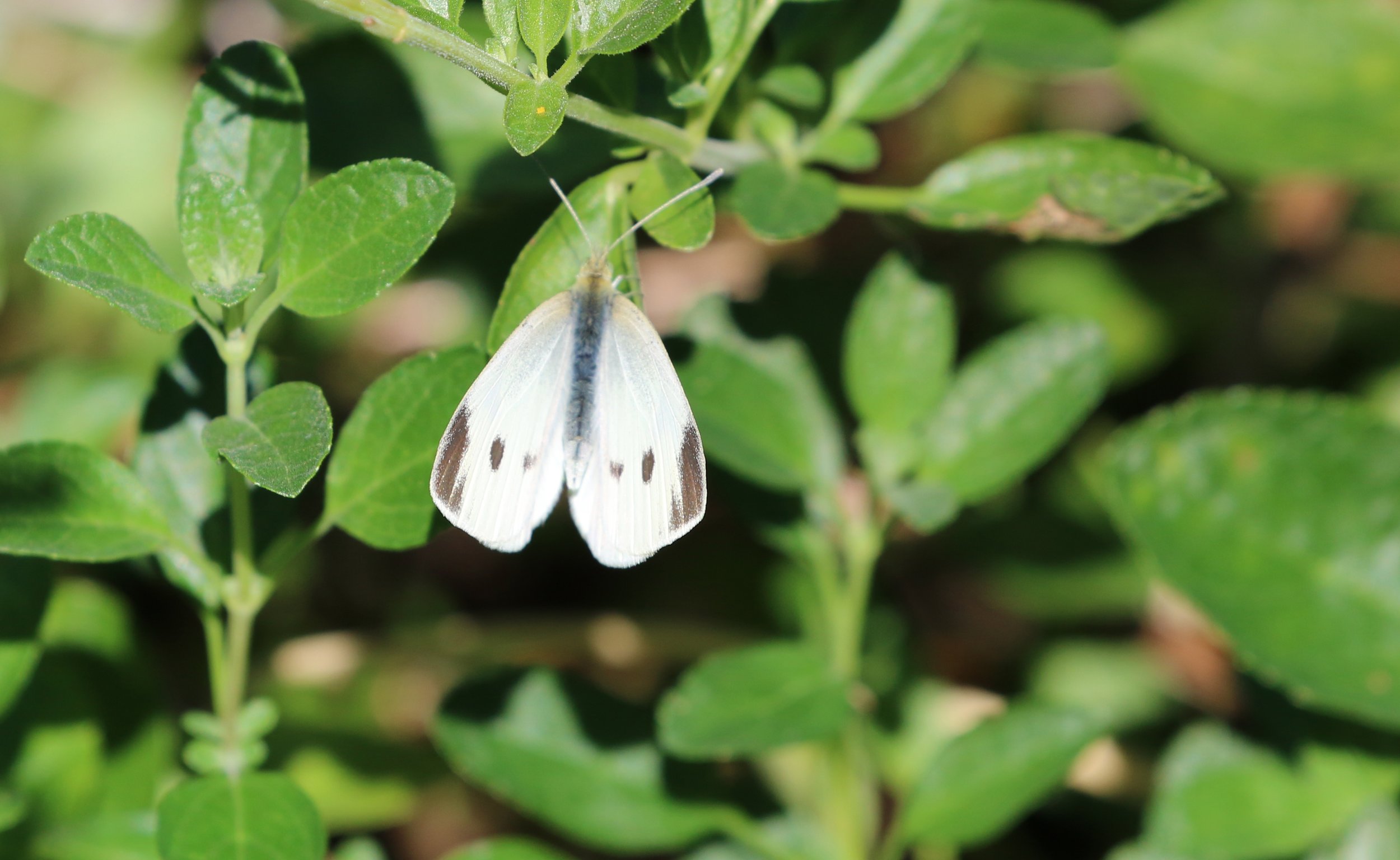
A quiet presence descends upon the California landscape during the blue hour, when the sun has dipped below the horizon and the evening air begins to cool. While much of the world's attention turns to daytime pollinators, a silent, equally vital pollinating night shift is just beginning its essential work. This twilight transition serves as the creative foundation for the expansion of the Moth collection, celebrating a cast of characters that sustain local ecosystems under the cover of dusk.
This collection is a tribute to these understated guardians of the environment. Moths are remarkable and diverse, playing a crucial role in pollinating countless plant species that rely on nocturnal visitors for reproduction. Their intricate wing patterns and delicate textures offer a masterclass in organic symmetry, providing a sophisticated alternative to more common natural motifs.
The Legacy of Pebble: A Foundational Inspiration
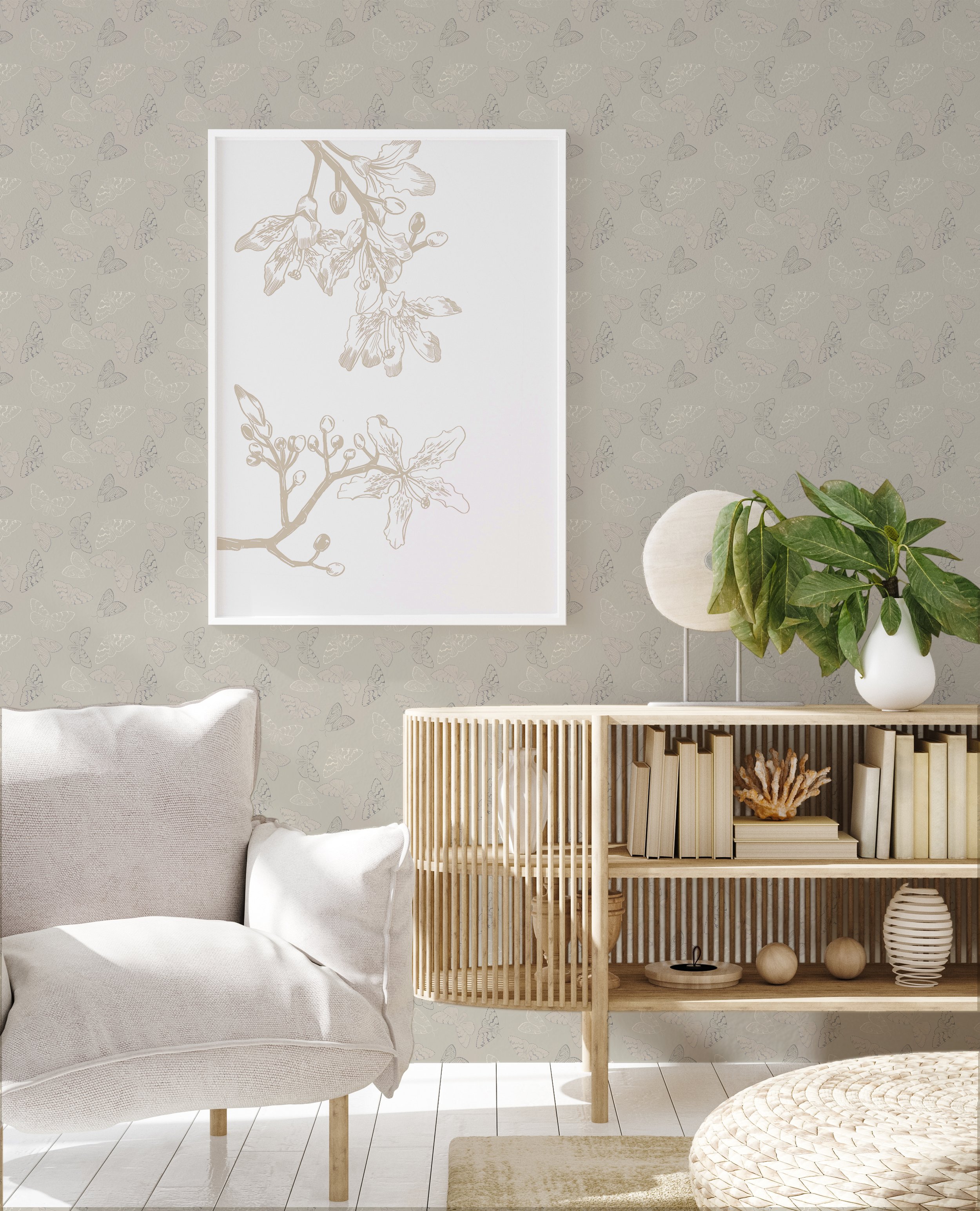
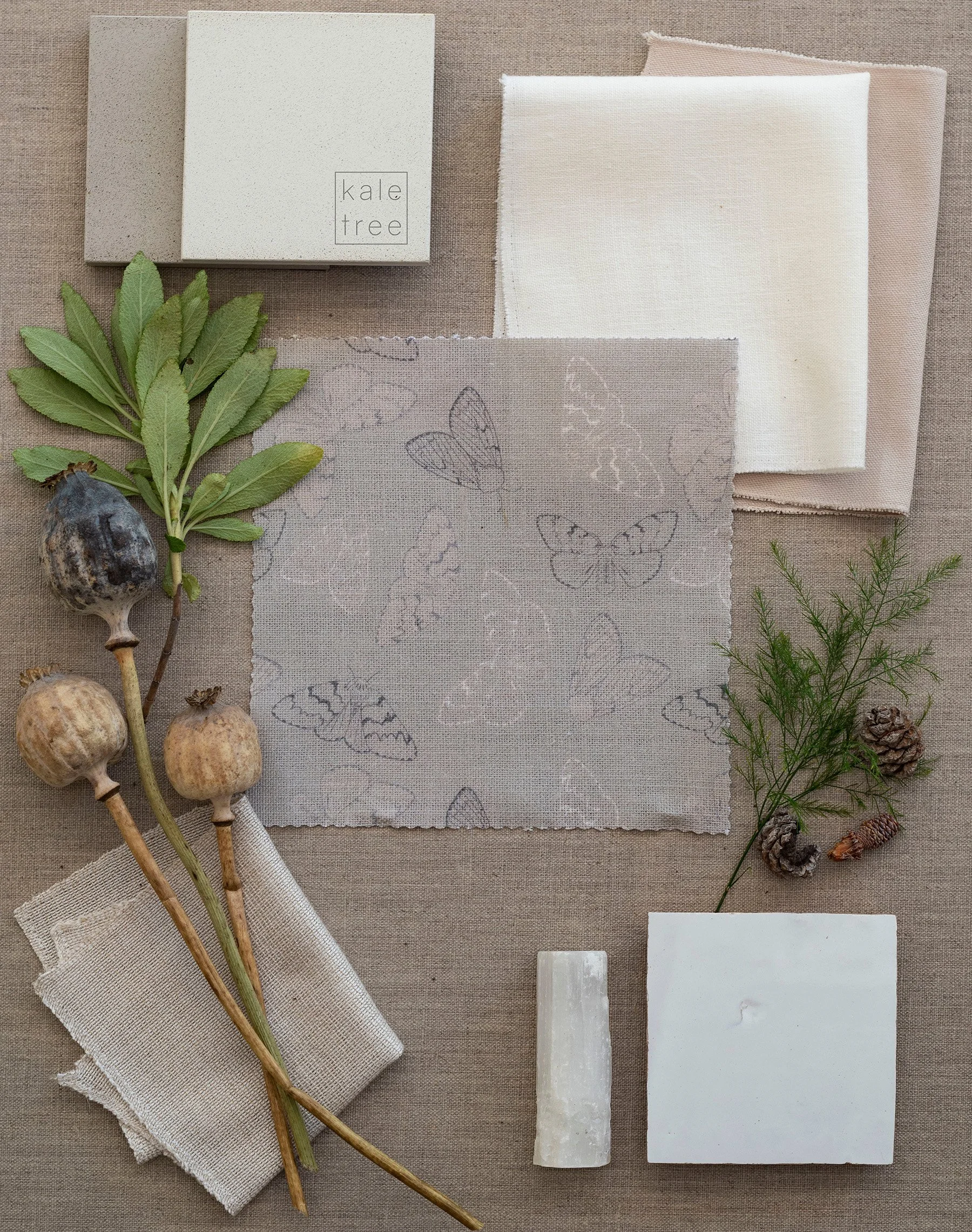
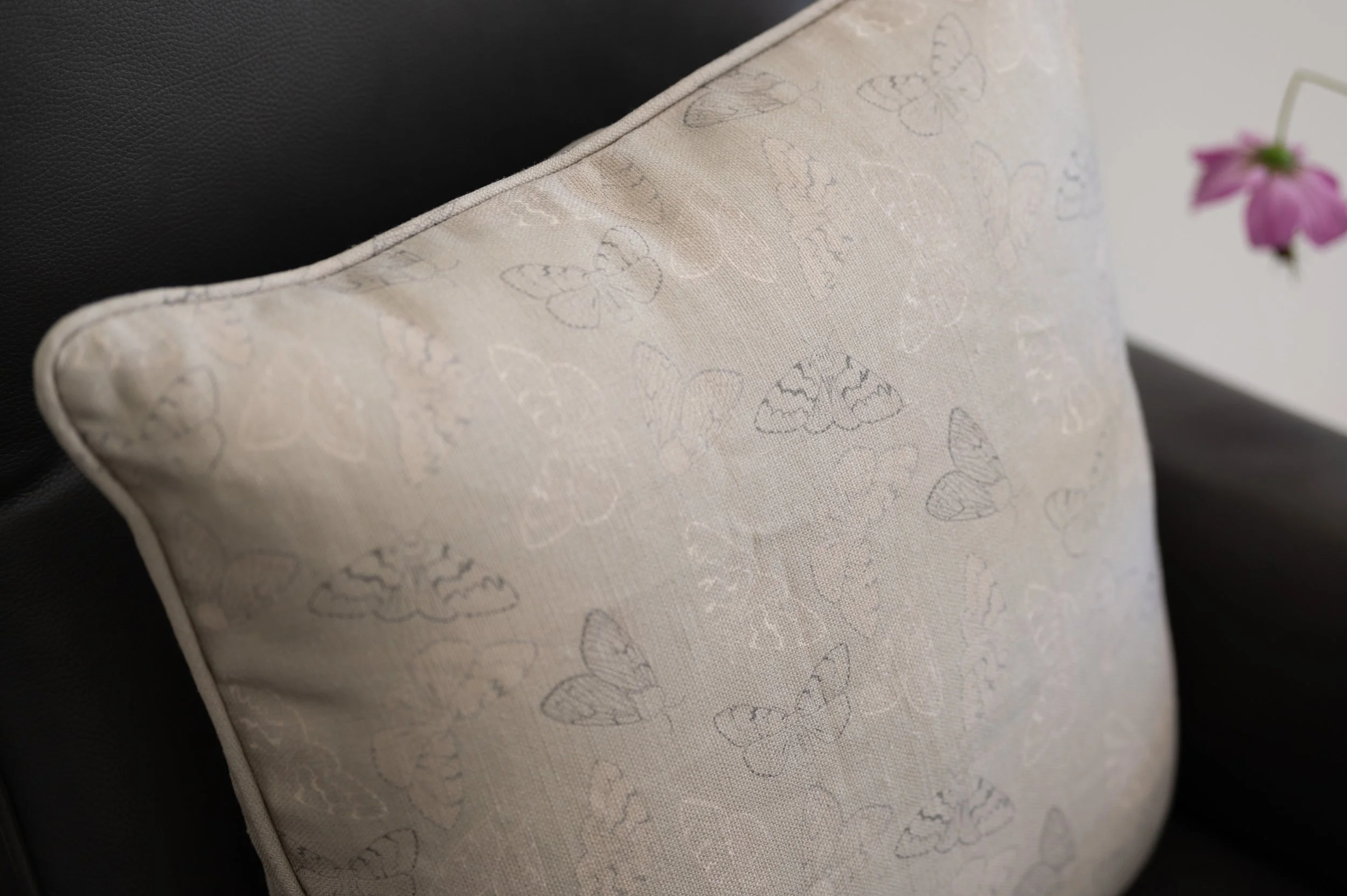
The collection began with a singular, anchoring colorway: Pebble. Inspired by the neutral, toasted gray wings of native species that flutter through the California evening, Pebble was designed to be a versatile staple. Available in both the signature Moth Wallpaper and Moth Textile, this pattern captures the essence of the nocturnal landscape, representing the quiet elegance and understated strength of the moth in motion.
Pebble has become a favorite for restorative, biophilic spaces that honor nature's subtle details. It represents the start of a design journey, the grounded neutral that allowed for the observation and eventual expansion of a palette reflecting the broader tapestry of the California lifestyle.
A New Horizon: From the Coast to the Kitchen Garden
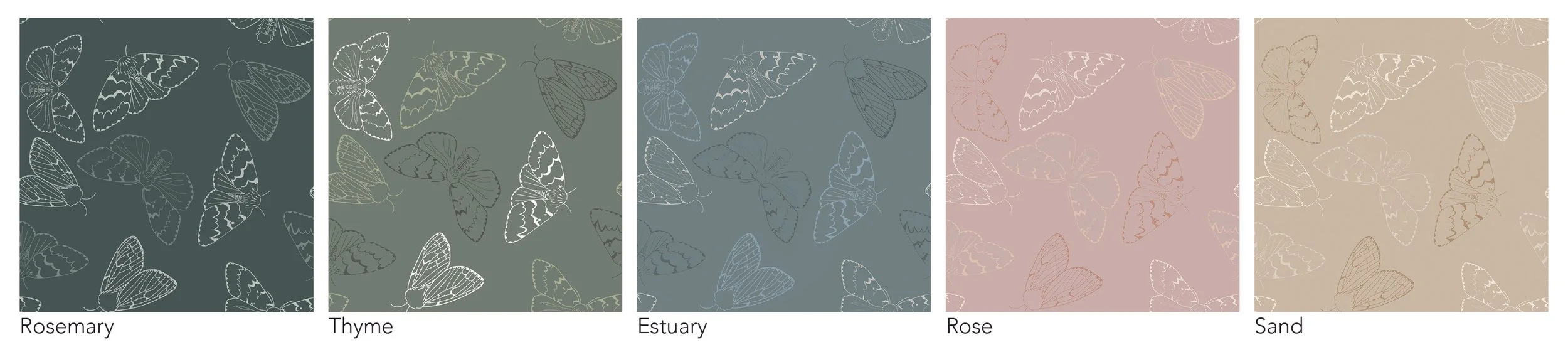
In this new release, the collection moves beyond the foundational neutral to introduce five colorways that reflect a curated California life. These hues draw from the environments that surround and inspire the studio.
Thyme: A verdant, silvery green that pays homage to the heart of the California home, the kitchen garden. This hue brings the aromatic freshness of cultivated herbs indoors.
Rosemary: A deeper, forest-toned green that echoes the structured beauty of Mediterranean-inspired landscaping found throughout the state.
Estuary: Inspired by the cool, deep blues of the brackish waters where rivers meet the Pacific, Estuary offers a tranquil, grounding presence.
Sand: This light, earthy tone reflects the warmth of the sun-baked environment and the pale, neutral dunes found along the coast.
Rose: A soft, mineral glow that embodies the hues of California canyon walls at sunset.
Biophilic Living: A Tactile, Plant-Based Approach
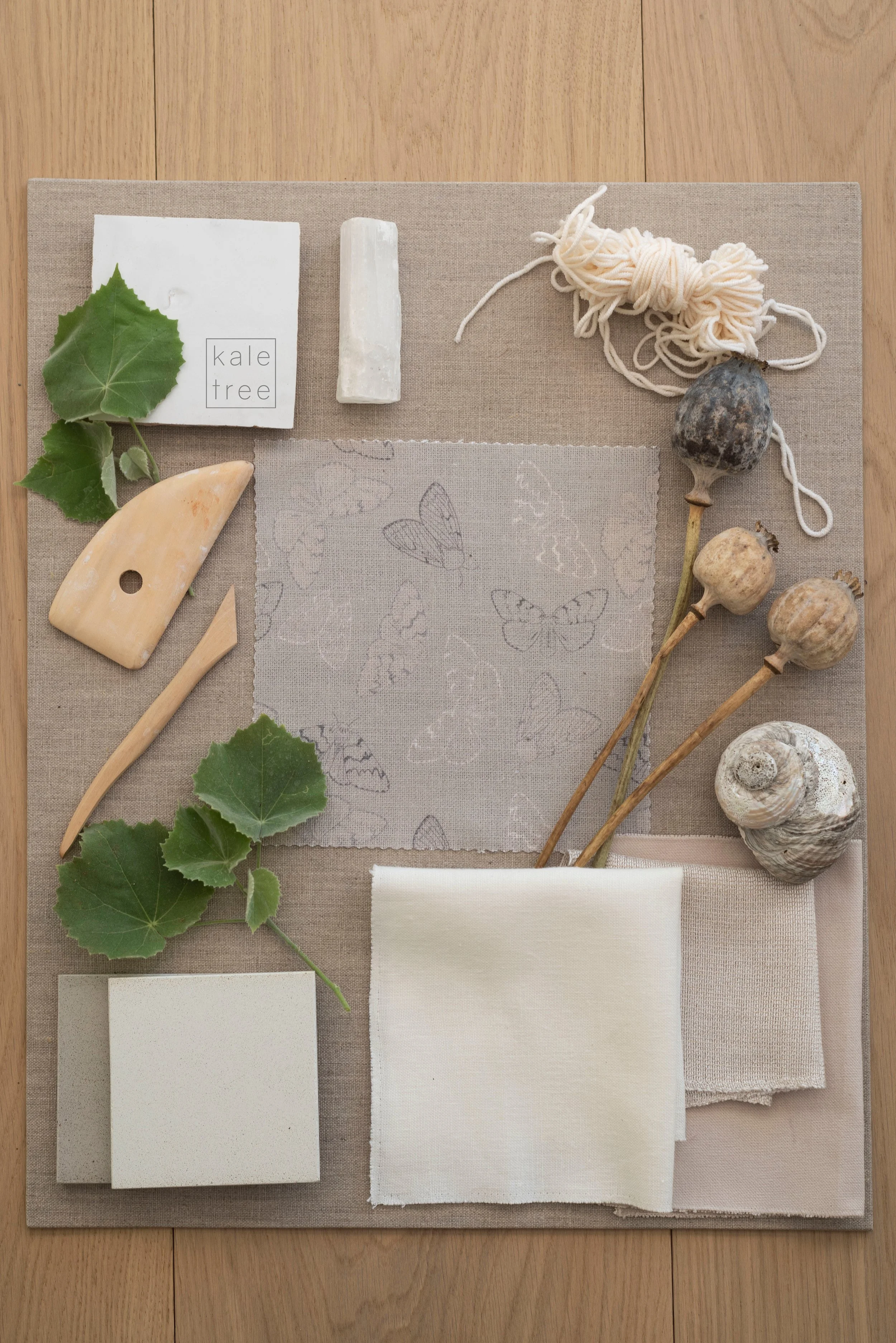
Integrating these new colorways into a home requires a focus on materiality and a connection to the earth's raw elements. The Moth collection is best grounded with textural, natural, organic materials.
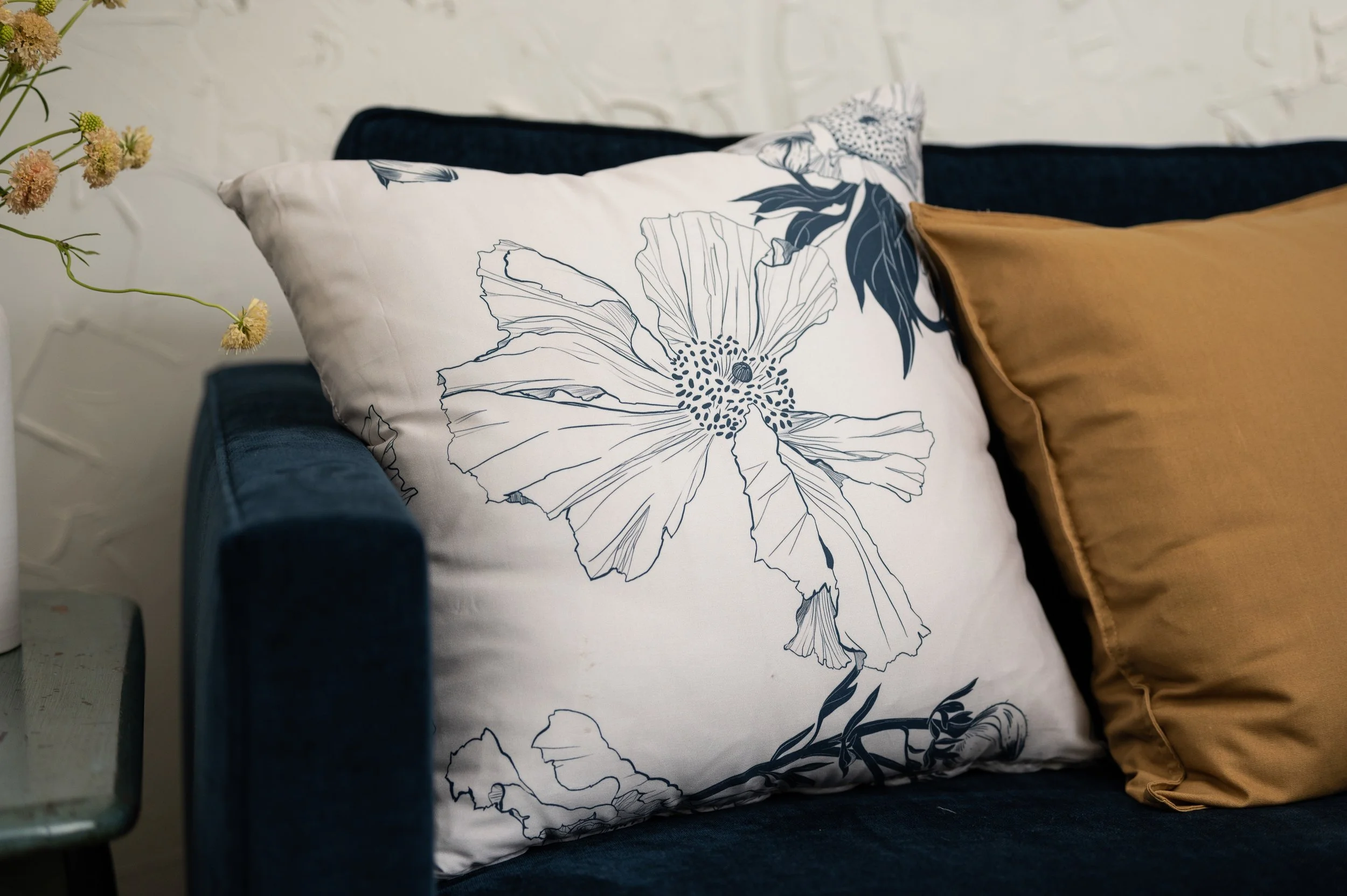
The Moth Textile pairs naturally with the weight of heavy-gauge linen, the smooth coolness of tumbled stone, or the warmth of wood. By surrounding these patterns with woven fibers, the home becomes a multi-sensory environment that feels more balanced and intentionally connected to the earth.
Conscious Composition
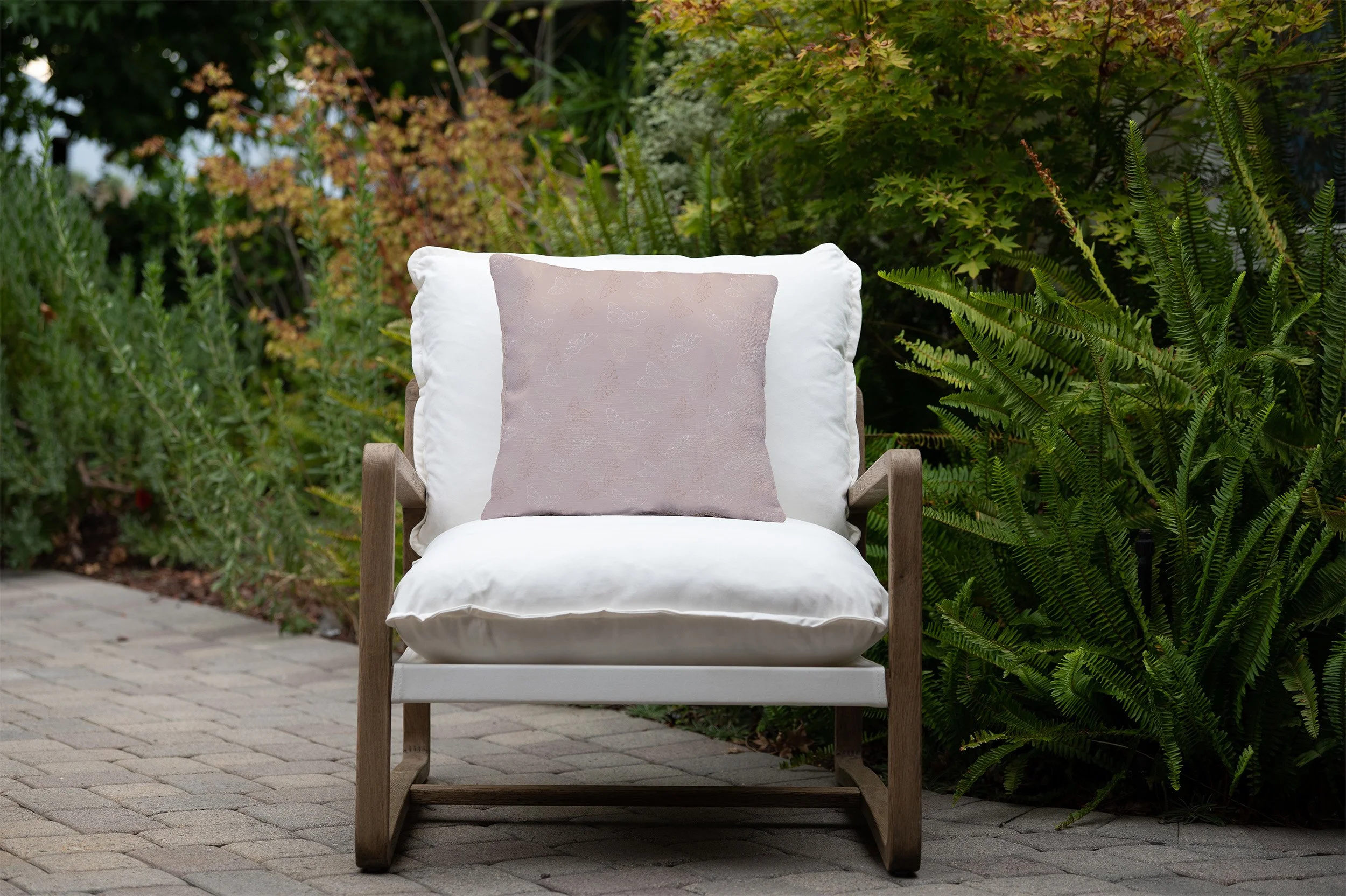
The expanded Moth textile collection is printed on plant-based fabrics, specifically Belgian linen and organic cotton sateen. These natural fibers offer a tactile, breathable quality that complements a wellness-focused interior.
The Moth Wallpaper is FSC-certified, PVC-free, and printed with GREENGUARD Gold-certified water-based latex inks.
Celebrating the Night Shift
The expanded Kale Tree® Moth collection invites a closer look at the silent contributors to the landscape. From the original elegance of Pebble to the botanical inspiration of the new palette, these designs offer a sophisticated way to bring the artistry of the California evening indoors.
The Night’s Architecture: A Study of California’s Sacred Datura
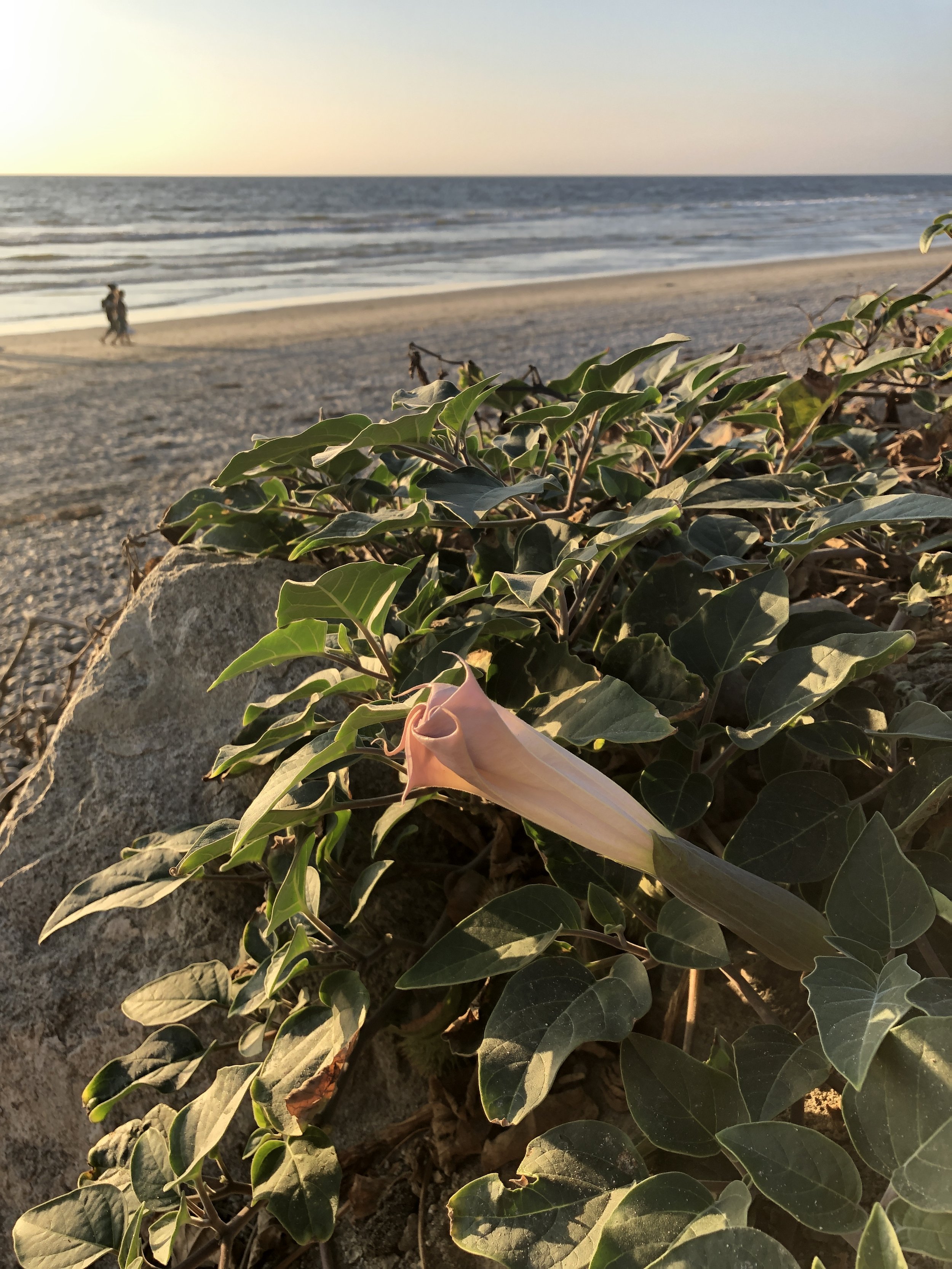
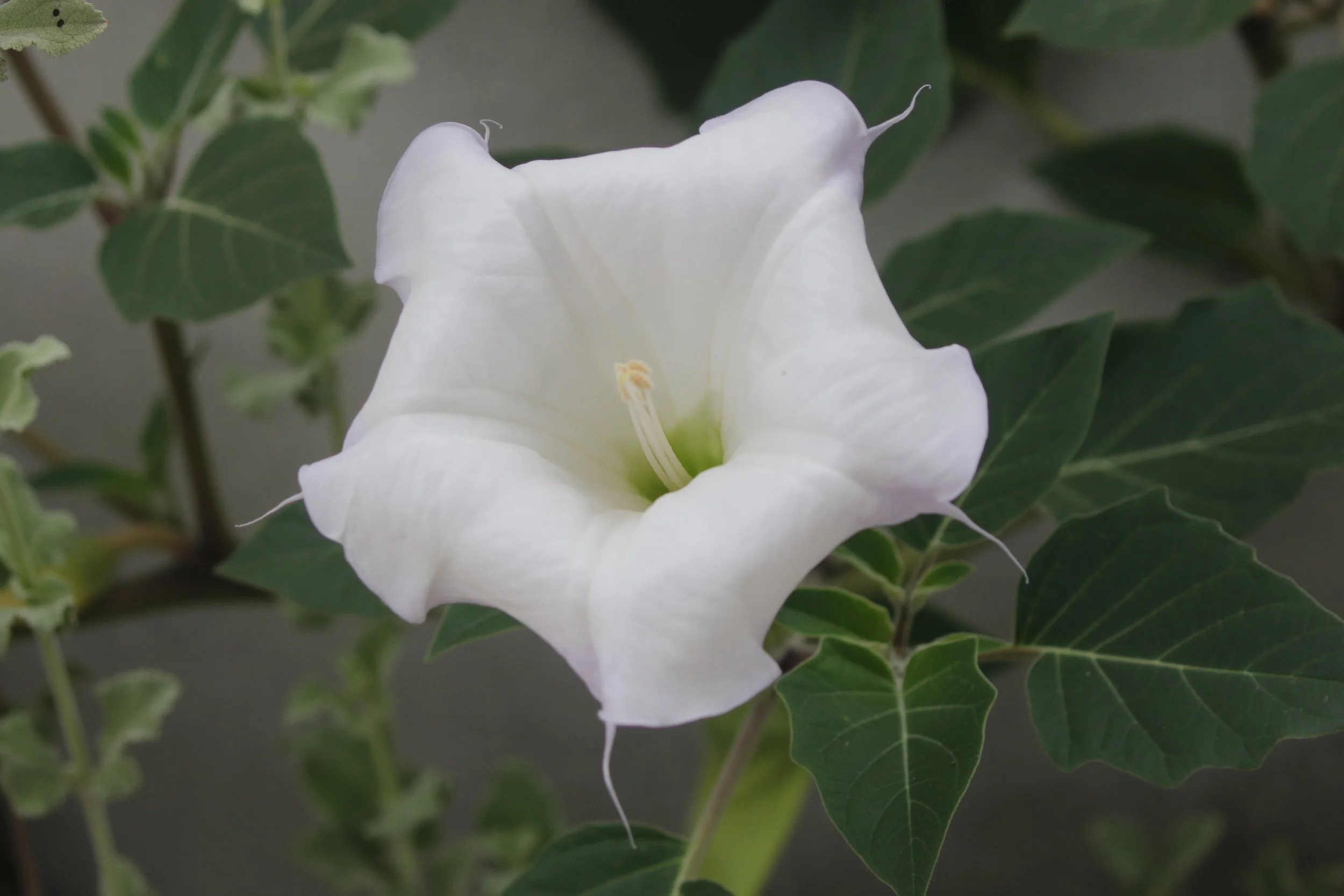
In the high heat of a California afternoon, Datura wrightii looks like a secret hidden in plain sight. Its low-slung, velvety gray foliage hugs the disturbed soil of roadsides and desert washes, appearing almost muted against the vibrant glare of the sun. But as the light fades and the temperature drops, the plant undergoes a structural transformation.
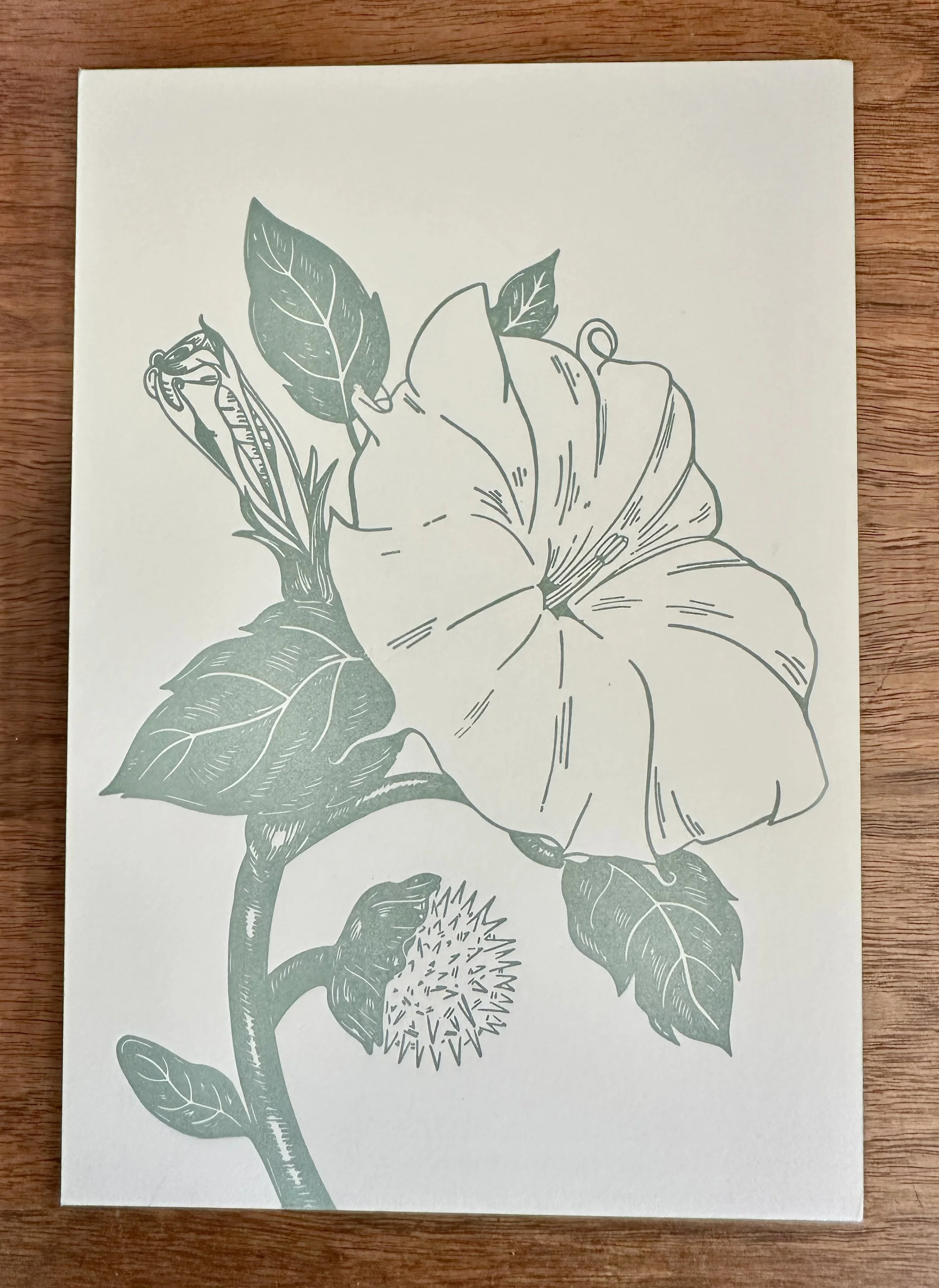
For our Kale Tree® studio, Datura is more than a botanical curiosity; it is a masterclass in organic geometry. We’ve long been drawn to its vespertine nature, the way its massive, pleated buds unfurl with mechanical precision at dusk. What began as a single illustration for a holiday card has become a permanent fixture in our creative vocabulary. We return to its silvered leaves and trumpet-shaped silhouettes not just for their beauty, but for their resilience. In this study, we look past the plant's reputation to explore its role as a cornerstone of the nocturnal ecosystem and a primary muse.
Nocturnal Synchronicity: The Hawkmoth and the Bloom
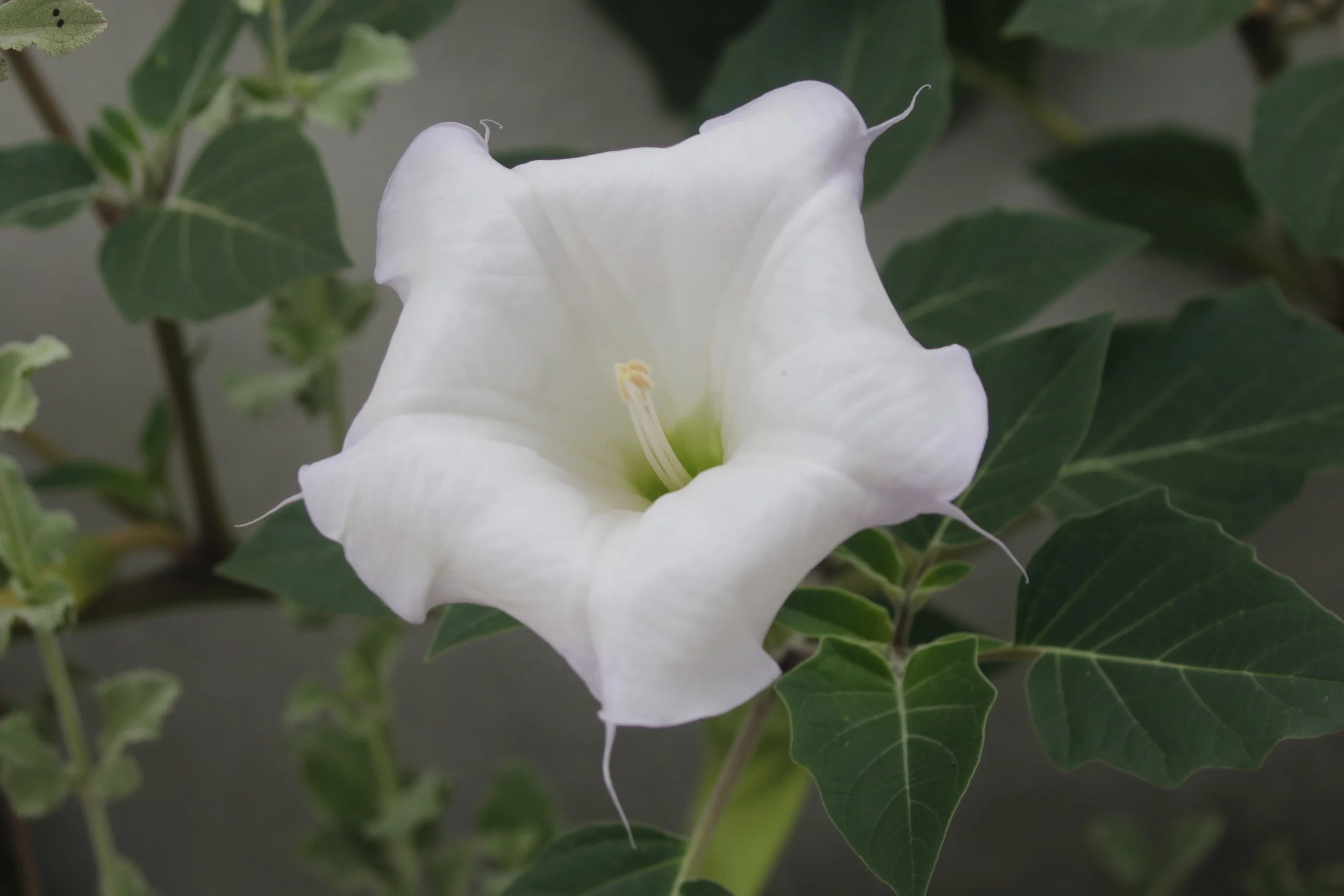
While much of the California landscape thrives under the sun, Datura wrightii operates on a different clock. As the heat of the day dissipates, the plant begins a coordinated sensory display. The massive white trumpets don't just open, they exhale. They release a heavy, intoxicating fragrance that serves as a GPS signal for the Sphinx Moth, or Hawkmoth (USDA Forest Service).
The relationship between the two is a marvel of biological engineering. To reach the nectar deep within the flower’s throat, the Hawkmoth unfurls a proboscis that matches the flower's depth almost perfectly. As the moth hovers, steady as a hummingbird, it becomes an accidental messenger, brushed with the pollen that will sustain the next generation of Datura. In the quiet of a desert or coastal evening, this interaction is one of the few movements in an otherwise still landscape, a silver-on-silver dance that has become a foundational reference for our studio's tonal palettes.
The Ephemeral Bloom
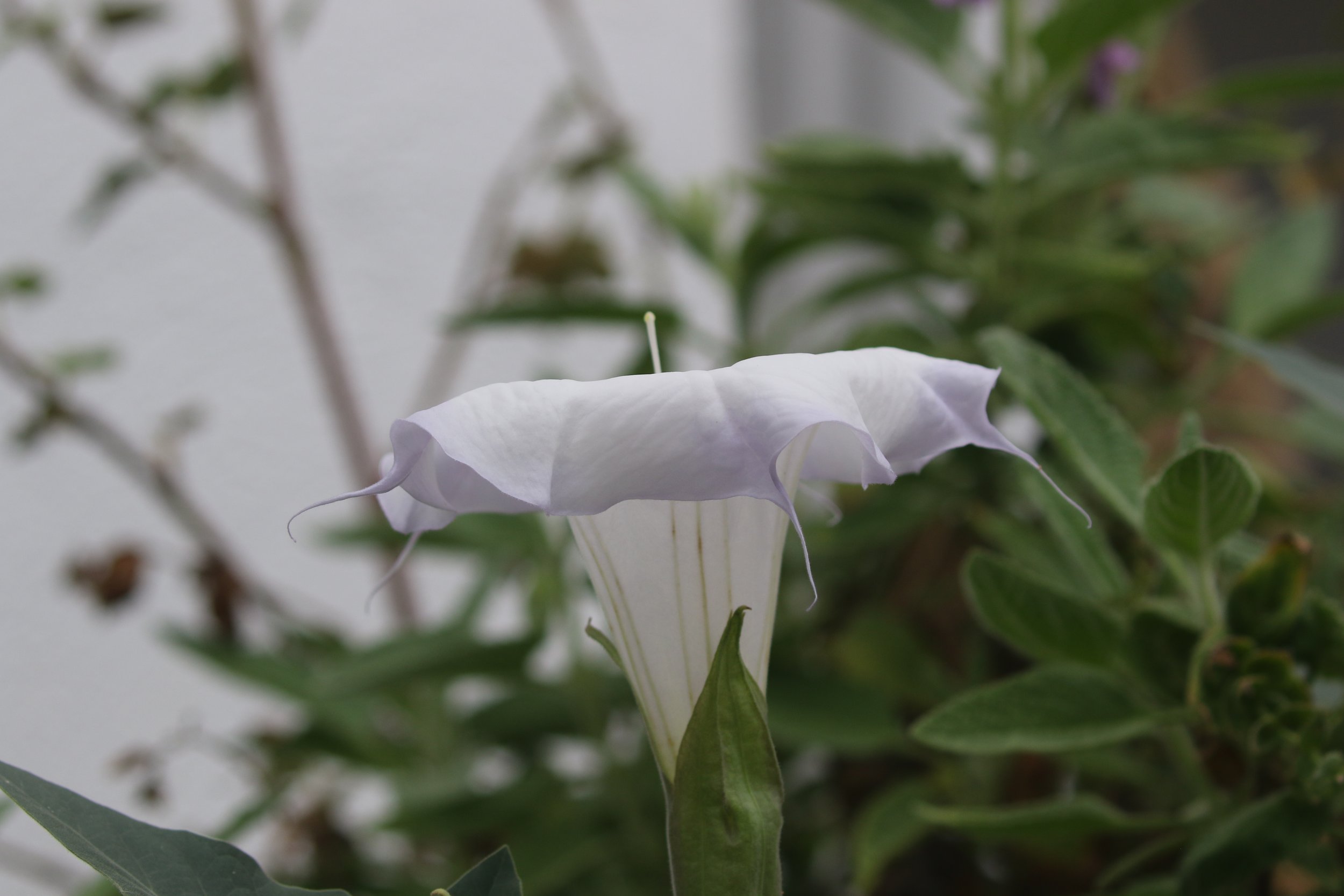
There is a quiet dignity in the plant’s timing. Each flower is a singular event, opening at sunset and offering its full splendor to the night. By the time the next morning’s sun reaches its peak, the bloom has already begun to retreat. This brief, intense window of beauty ensures the plant’s energy is focused on its nocturnal partners, creating a potent moment of connection that defines the rhythm of the desert night.
Deep Roots: A Legacy of Respect
In California, you cannot discuss Datura without acknowledging its profound cultural significance. For the Chumash and Tongva peoples, the plant, known as Momoy or Manit, is far more than a roadside wildflower. It is a sacred entity, historically integrated into rites of passage and sophisticated medicinal practices (Timbrook, 2007).
This history informs how we view the plant today. It isn't just ornamental; it carries a gravity that demands reverence. It is both beautiful and dangerous, as all parts of the plant are highly toxic if ingested (UC IPM). By respecting its boundaries, we can appreciate its role as a survivor. It thrives where other plants wither, providing a critical nectar source in arid environments and standing as a living link to California’s deep botanical and cultural history.
A Note for the Native Garden: The Rowntree Perspective
The pioneer horticulturist Lester Rowntree often spoke of the necessity of bringing the wild into the garden, provided we respect the plant's true nature (Rowntree, 1939). Of the Sacred Datura, she noted its paradoxical beauty and its ability to look lush and tropical while requiring almost nothing from the gardener.
To introduce this architectural giant into the landscape, there are a few considerations. In the wild, Datura wrightii can spread up to 15 feet. In a garden, it needs room to breathe and expand. It craves full sun and well-draining soil. It is drought-tolerant, often performing better with neglect than with over-care. Do not be alarmed if the plant disappears in winter; it is a perennial that retreats into its hardy root system, waiting for the warmth of spring to push it back through the soil. Finally, because of its high toxicity, it should be planted with care, taking into account its proximity to children and pets.
A Continuous Muse
Our work at the studio is an ongoing dialogue with plants like these, species that refuse to be ignored and offer a structural complexity we find endlessly inspiring. The Sacred Datura reminds us that the most profound beauty often reveals itself only when we are willing to wait for the sun to go down.
Works Cited
Rowntree, Lester. Hardy Californians. Macmillan, 1939.
Timbrook, Jan. Chumash Ethnobotany: Plant Knowledge Among the Chumash People of Southern California. Santa Barbara Museum of Natural History, 2007.
UC IPM. "Sacred Datura." University of California Statewide Integrated Pest Management Program.
USDA Forest Service. "Datura wrightii (Sacred Datura)." U.S. Forest Service Celebrating Wildflowers.
The Art of the Infinite Interior: Curation, Craft, and the Sustainable Estate
For the discerning collector, the home is more than a residence; it is a living gallery where every element reflects a commitment to quality and heritage. In the modern estate, where sophisticated infrastructure is standard, stewardship now centers on the sensory realm. We call this The Infinite Interior, a design philosophy where the beauty of a space is rooted in the exceptional origin and thoughtful creation of its components. By focusing on the soft infrastructure, rugs, textiles, and wallcoverings, we find the tactile and visual soul of the home.
The Textile Narrative: Luminous Purity and Botanical Luxury
The essence of a refined room begins with the purity of its fibers. Belgian Linen is a material of effortless grace, valued for its luminous texture and natural breathability. Its presence offers a pristine origin and a supple resilience that ages with a distinguished patina.
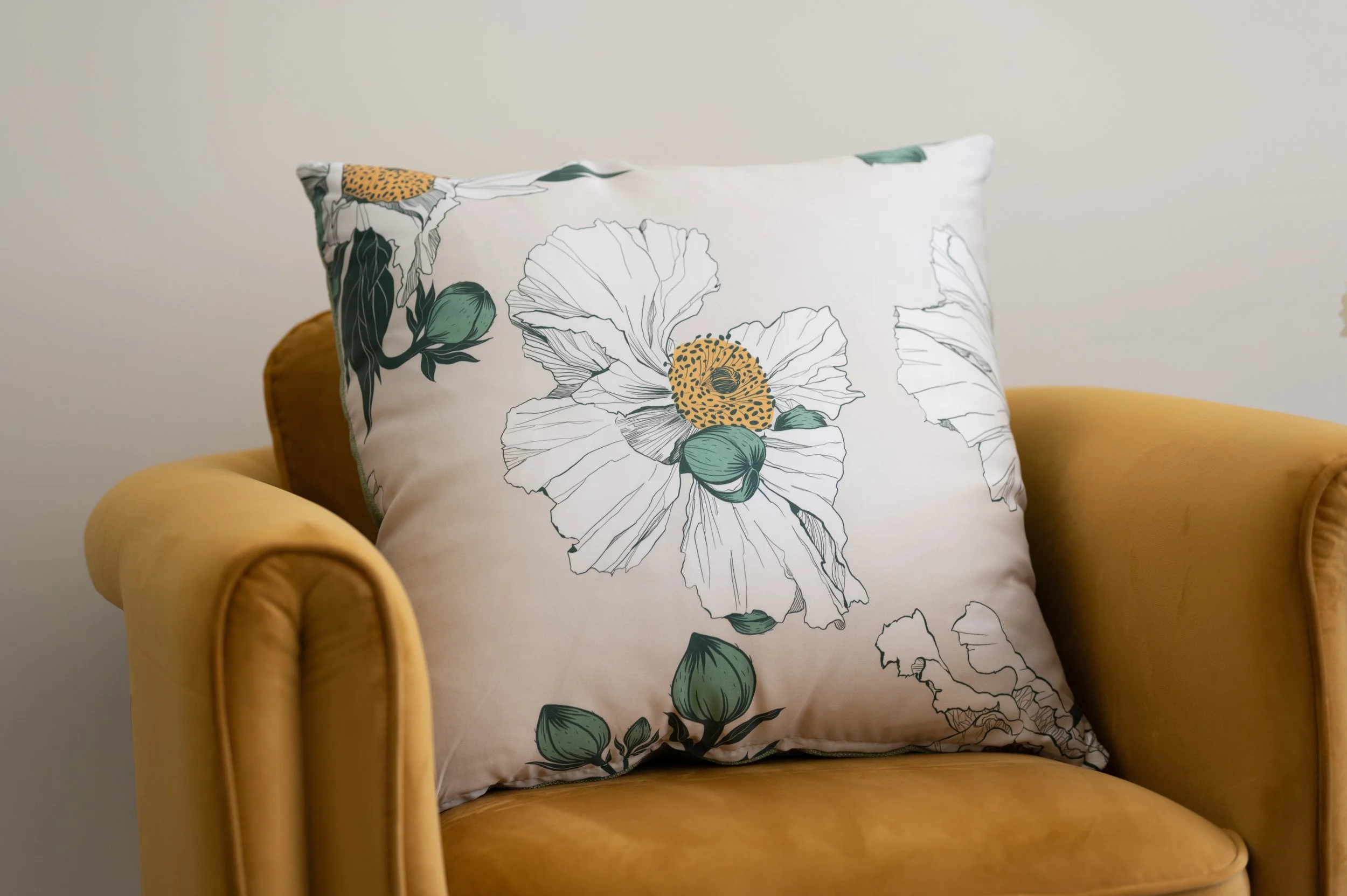
For intimate spaces, Organic Cotton Sateen represents the pinnacle of botanical luxury. It is defined by a silken luster and an exquisite drape that brings gentle, sophisticated comfort to the interior. As vital components of a serene atmosphere, these materials invite an environment of organic harmony and tactile delight.
The Foundation: Hand-Crafted Artistry and Botanical Silk
If textiles provide the textural envelope of a home, rugs are the foundational anchors of its energy. A curated floor celebrates a spectrum of craft. Hand-knotted designs offer intricate density and traditional complexity, while hand-tufted pieces provide a sculptural, plush dimension underfoot.
The choice of material further defines this experience. New Zealand Wool provides comforting warmth and a naturally vibrant finish. For those seeking a botanical alternative, Bamboo Silk offers brilliant light-reflecting qualities and a velvet-like hand. These botanical silk options allow for plant-based luxury that complements a thoughtfully curated interior.
The Curated Surface: Wallpaper as Architectural Poetry
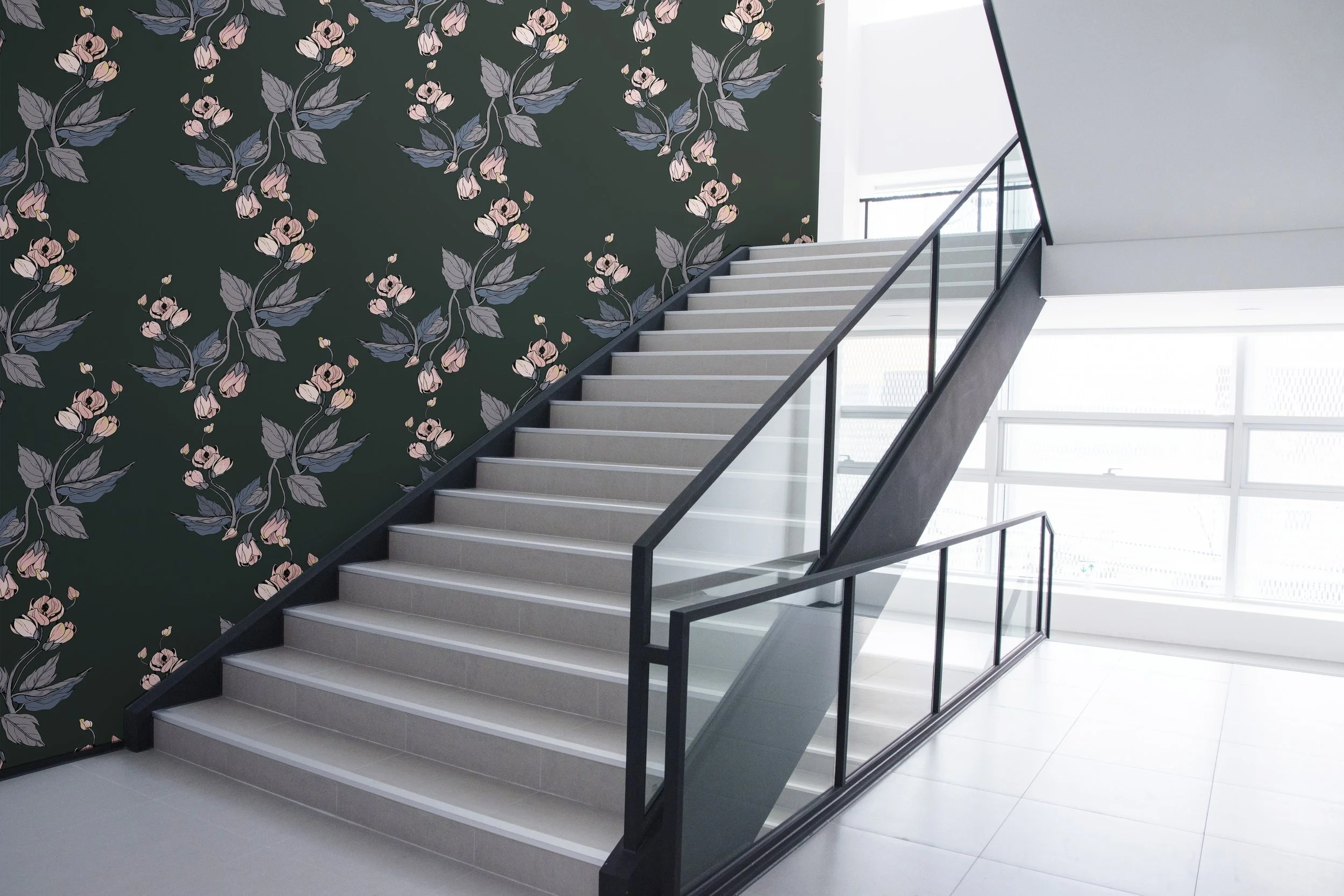
Beyond the tactile, the perimeter of the home offers a canvas for visual storytelling. Kale Tree® wallpaper is designed as a sophisticated layer of depth, moving beyond simple decoration to become architectural poetry. These surfaces feature meticulously rendered motifs and patterns that invite contemplation, providing a constant and inspiring backdrop. Created to transcend fleeting trends, these wallcoverings remain aesthetically relevant and captivating through every season of life.
A Legacy of Refinement
True stewardship at the highest level is found not in the temporary, but in the enduring. It is a daily practice of surrounding oneself with objects that honor both the artisan and the natural world. By selecting pieces defined by exceptional materials and expert hand-craft, the homeowner cultivates a legacy of quiet excellence, creating an environment where beauty and integrity are inextricably linked.
Woven Intentions: The Art of the Bespoke Rug
The foundation of a well-considered interior is found in the tactile, the enduring, and the deeply personal. A rug is often the grounding element that dictates the flow, acoustics, and emotional resonance of a sanctuary. It serves as a site-specific installation that bridges the gap between architecture and comfort.
The Signature Collection as a Point of Departure
The current collections invite exploration of the intersection of nature and design. These patterns act as a creative catalyst, offering a visual language that can be adapted to the unique requirements of a home.
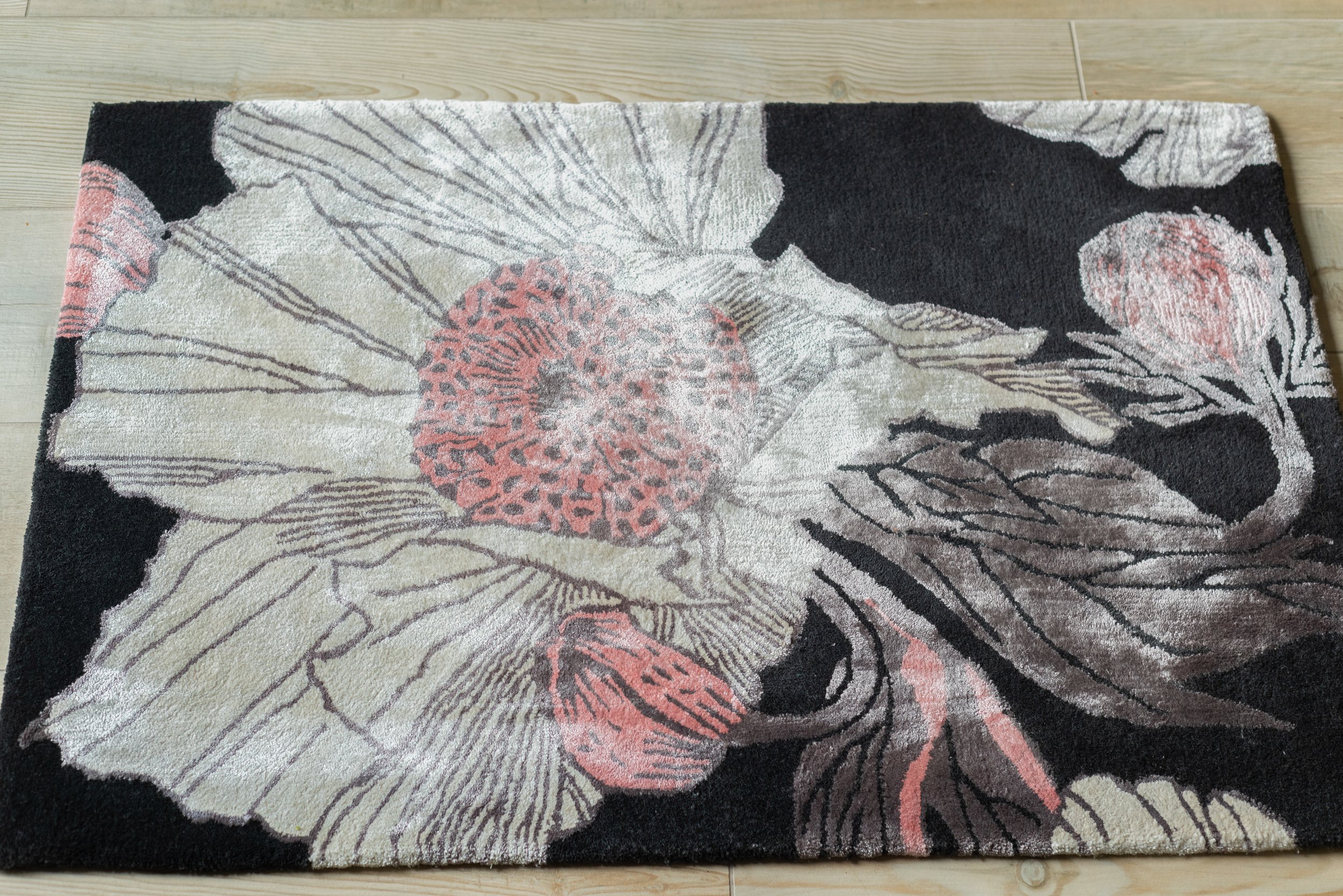
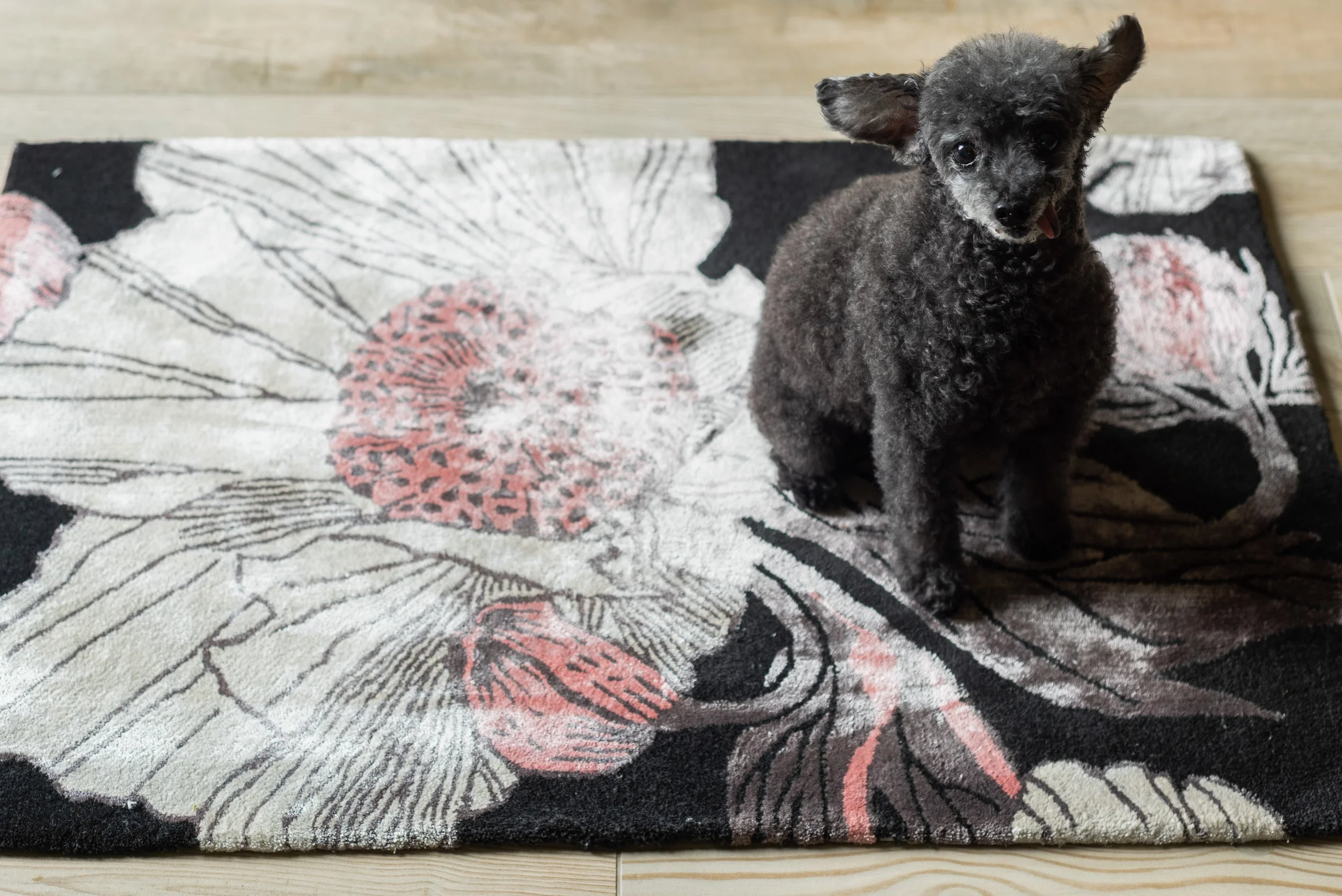
The Matilija Poppy Rug: Inspired by the dramatic, papery blooms of the California native, this design celebrates organic form. For a bespoke commission, the scale of the petals can be adjusted to frame a furniture grouping or expanded to fill a grand salon.
The Mangrove Rug: A study in the intricate, interconnected systems of coastal forests, this pattern lends itself to tonal shifts. It may be reimagined in a monochromatic palette to emphasize texture or in high-contrast hues to highlight architectural linework.
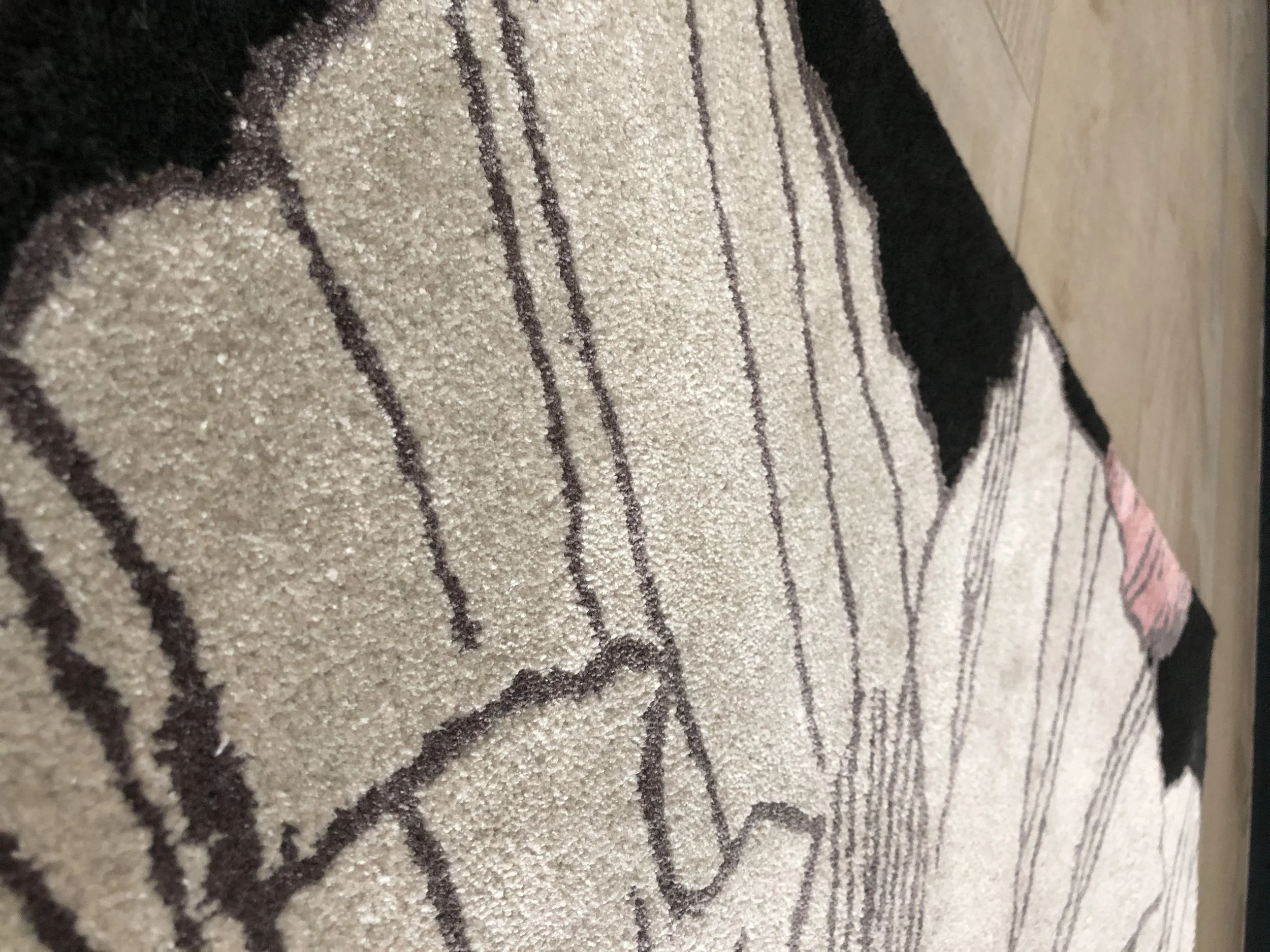
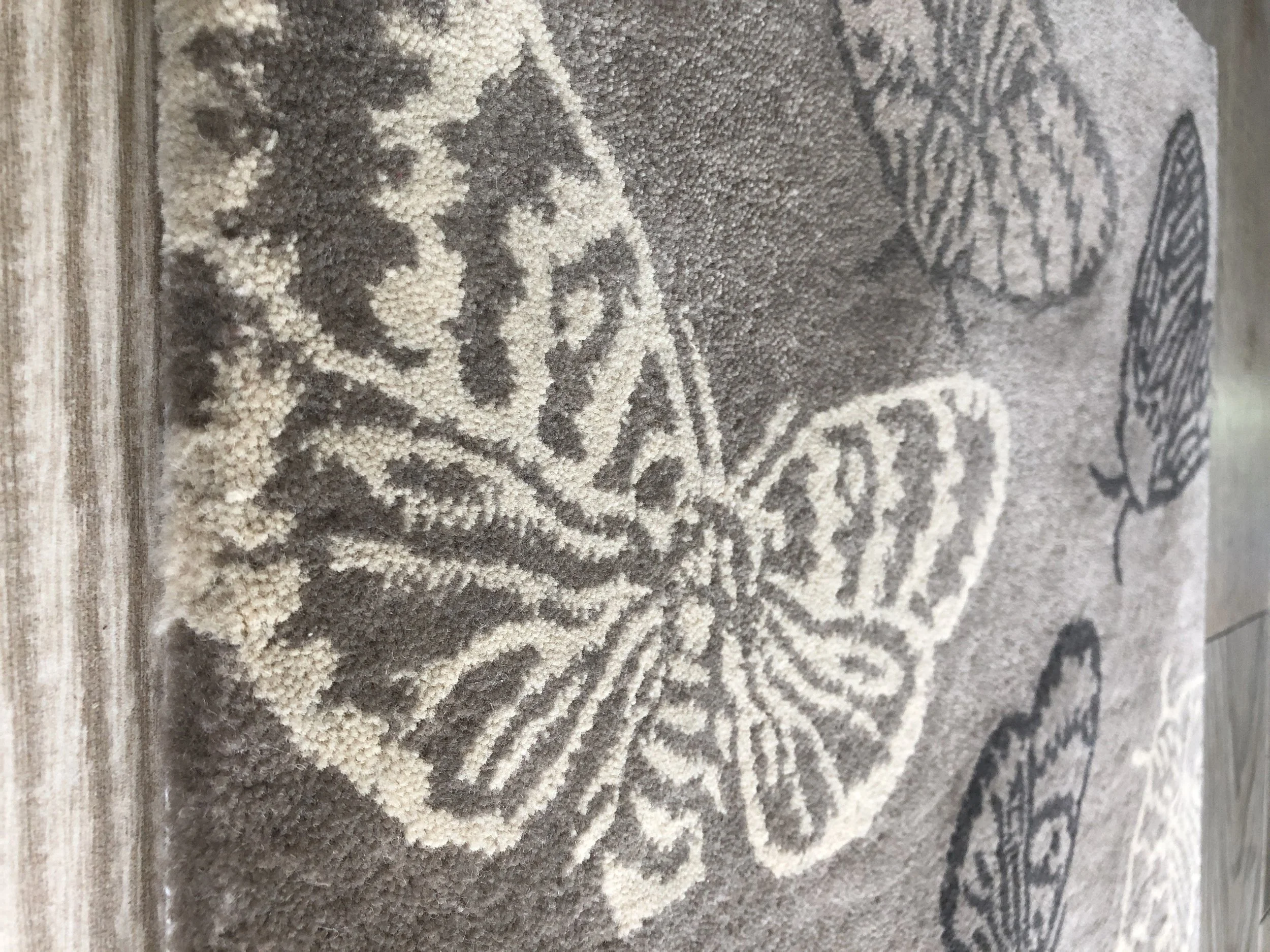
The Moth Rug: Capturing the ephemeral beauty of lepidoptera, this design brings a sense of soft, natural symmetry to a space.
Each design provides a framework. Whether drawn to detailed botanical motifs or abstract rhythms of the wilderness, every pattern can be customized in size, color, and density to harmonize with specific decor.
Beyond the Loom: Site-Specific Commissions
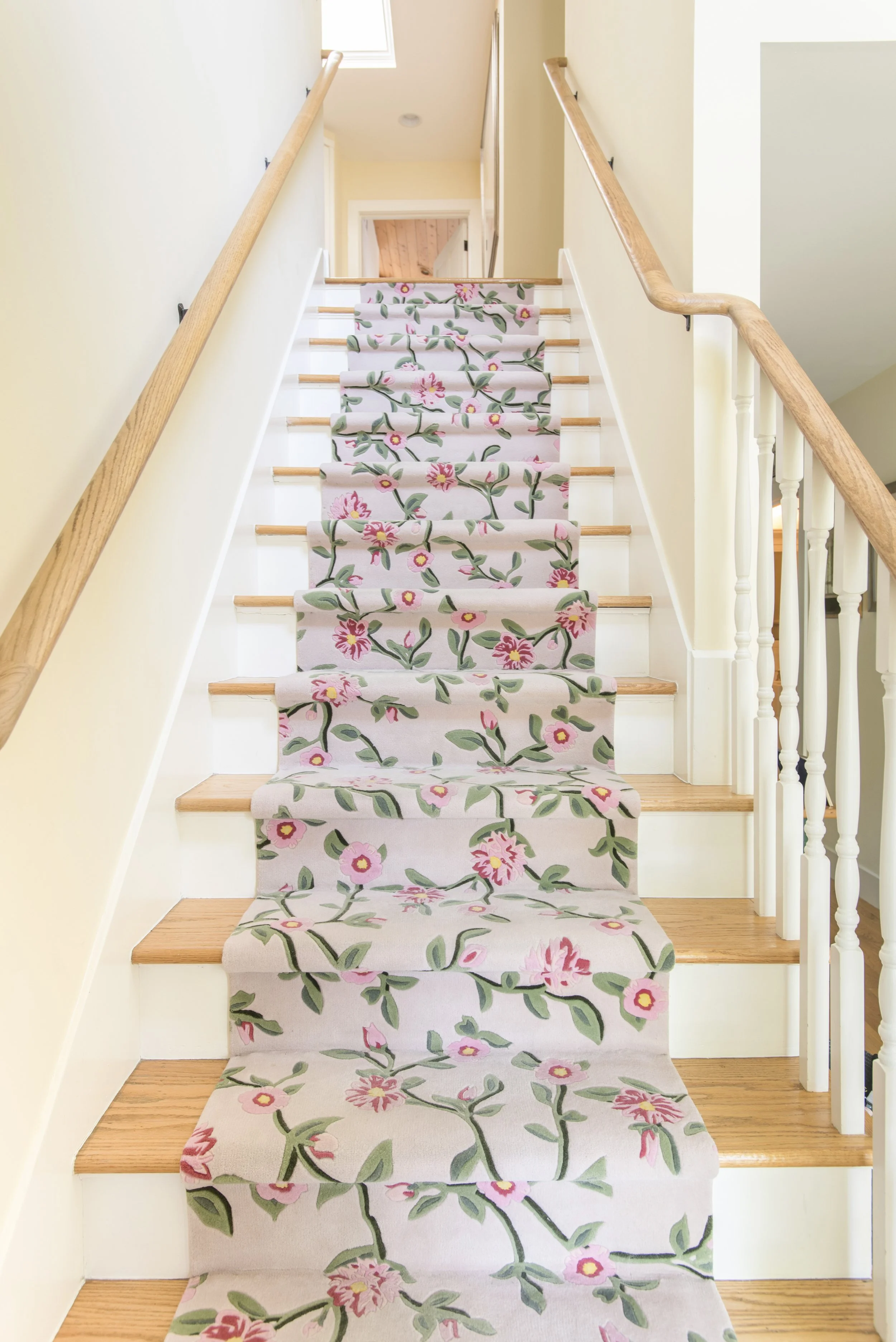
For those seeking a singular expression, Kale Tree® offers the opportunity for original compositions. A bespoke rug can be designed from the ground up to respond to the architectural nuances of a property, perhaps echoing the curve of a grand staircase, the proportions of a custom skylight, or the botanical species found in a private garden.
This collaborative process allows for personalization. By considering the light, volume, and intended movement within a room, a foundation is created that feels as though it has grown organically from the space.
A Material Study in Compassionate Naturalism
The integrity of a bespoke rug is defined by its fiber. Materials are selected to reflect a commitment to quality and ethical sourcing, offering a range of textures to suit different lifestyles and aesthetic preferences.
New Zealand Wool: Renowned for its natural resilience and soft, matte finish, wool remains a classic choice for its inherent texture and enduring quality.
The Vegan Suite: For those who prefer plant-based luxury, a selection of refined vegan fibers is available. Bamboo Silk provides a lustrous, light-catching sheen that rivals traditional silk, while Jute and Cotton offer understated, organic elegance that grounds a room in earthy texture.
By selecting specific fiber blends, such as a wool base with bamboo silk accents, the way light interacts with the floor can be manipulated, adding depth and luminosity to the custom pattern.
The Longevity of Intentional Design
Choosing a bespoke rug is an investment in the heritage of a home. It is an embrace of the slow, intentional craft of the loom. By marrying custom geometry with a palette of natural, high-quality materials, the goal is to create pieces that are functional and cherished as heirlooms for generations.